What Is The Difference Between Custom-Made And Prefabricated Orthoses
Summary : Choosing an orthosis is not simply about picking a device from a shelf. The right option depends on the body part being supported, the level of correction required, comfort, daily activities, and individual anatomy. This article explains the difference between custom-made and prefabricated orthoses, how they are designed and fitted, where each option may be useful, and how professional assessment can help guide the decision.
Orthoses are external devices used to support, align, protect, stabilise, or assist parts of the body. They can be designed for the foot, ankle, knee, spine, hand, wrist, and other areas depending on the user's needs. Some are made specifically for one person, while others are manufactured in standard sizes and supplied ready to use.
This is where the difference between custom-made and prefabricated orthoses becomes important. A custom-made orthosis is developed around an individual's anatomy and functional requirements, while a prefabricated orthosis follows a standard design and sizing system. Neither option is automatically suitable for every person. The purpose of the device and the individual's needs should guide the choice.
What Are Custom-Made Orthoses?
Custom-made orthoses are designed and fabricated for a particular individual. The process generally starts with an assessment of the person's condition, anatomy, movement, functional requirements, and intended use of the device.
Depending on the body area and type of orthosis, the practitioner may take measurements, create an impression or cast, or use digital scanning technology. These details are then used to develop an orthosis with the required shape, support, alignment, and control.
Customisation can also involve selecting specific materials, joints, straps, padding, or other components. Once the device is produced, it can be checked during fitting and adjusted where necessary to improve comfort and function.
Individual Fit And Design
One of the main characteristics of a custom-made orthosis is its individual fit. The device is not simply chosen because it matches a standard size. Instead, its dimensions and design are based on the user's anatomy and the clinical purpose of the orthosis.
This can be especially useful when a person has unusual anatomy, significant asymmetry, specific pressure-distribution needs, or functional requirements that are difficult to meet with a standard device.
Personalised Fabrication Process
Custom fabrication usually involves several stages rather than immediate supply. Assessment, design, fabrication, fitting, and follow-up can all form part of the process. This makes it possible to make refinements when required.
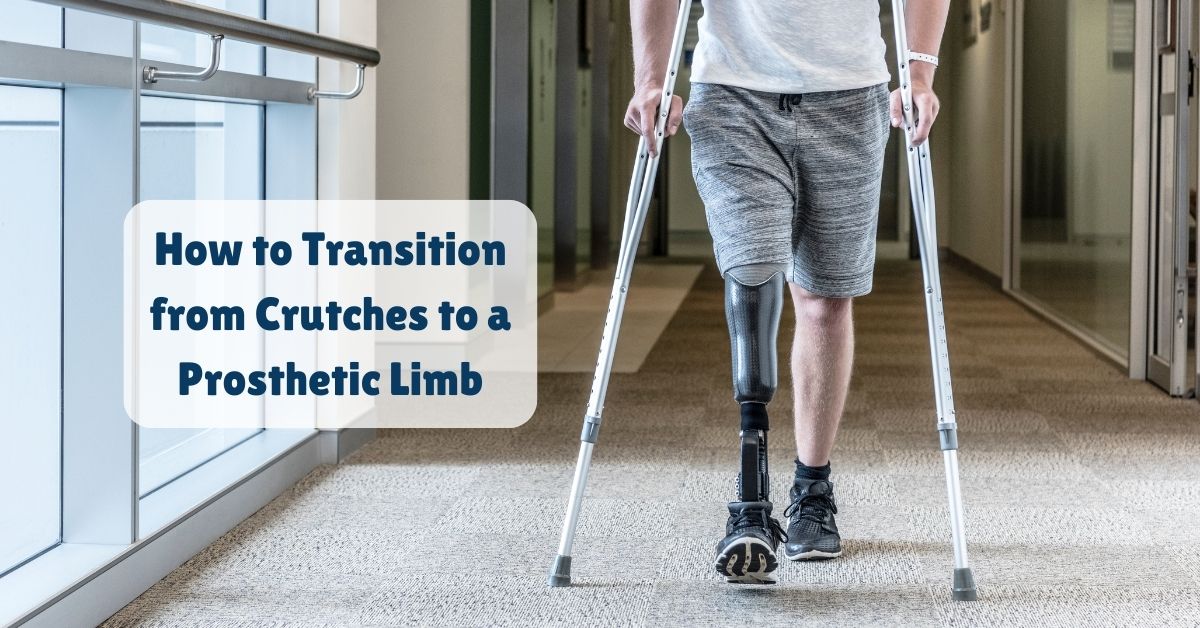
How to Transition from Crutches to a Prosthetic Limb
Transitioning from crutches to a prosthetic limb marks a profound milestone in the journey of recovery after an amputation. It’s not just about walking again; it’s about reclaiming independence, rebuilding confidence, and embracing a new chapter of life. While the process can feel overwhelming at times, it’s also a deeply empowering experience that brings hope and possibilities.
For many, the shift from crutches to a prosthetic limb is filled with mixed emotions—excitement about newfound mobility and apprehension about the challenges ahead. It’s important to remember that this journey is unique to each individual, and it unfolds at a pace that feels right for you. With proper guidance from medical professionals, support from loved ones, and a willingness to adapt, this transition can lead to a life filled with greater freedom and opportunities.
Whether you’re taking your first steps with a prosthetic or looking for advice to make the transition smoother, you’re not alone in this journey. Every effort you make is a step toward rediscovering your potential and thriving in ways you might not have imagined.
Understanding the Transition
The move from crutches to a prosthetic limb requires physical, emotional, and mental preparation. Crutches may offer temporary mobility, but a prosthetic limb can restore a sense of normalcy, enabling you to perform daily tasks with ease. It's important to acknowledge that the process takes time and involves learning new skills to adapt to the prosthetic.
Consultation with Specialists
Transitioning from crutches to a prosthetic limb begins with professional guidance. Prosthetists and physical therapists play a crucial role in this process.
Prosthetist's Role: A prosthetist designs and fits the prosthetic limb, ensuring it meets your specific needs and lifestyle. They will assess your residual limb, discuss your mobility goals, and create a prosthetic tailored to your requirements.
Physical Therapist's Role: Physical therapists focus on rehabilitation. They design exercise plans to strengthen your muscles, improve balance, and help you adapt to using your prosthetic limb effectively.
Regular follow-ups with these specialists are essential to monitor progress and address any concerns that arise during the adjustment period.
Strengthening Your Residual Limb
Using a prosthetic limb effectively requires a healthy and strong residual limb. Preparing your body is just as important as adapting to the prosthetic.
- Practice exercises to improve the strength and flexibility of your residual limb, such as resistance training or stretching.
- Focus on core and leg muscle strengthening to enhance balance, stability, and mobility.
- Engage in low-impact exercises like swimming or yoga to build endurance without placing excessive stress on your body.
By investing time in physical preparation, you’ll find it easier to transition to your prosthetic and reduce the risk of discomfort or injury.
Mental Preparation
The transition to using a prosthetic limb is not just physical—it’s an emotional and psychological journey. Accepting and adapting to a prosthetic requires patience and resilience.
- Be patient: Understand that it’s okay to feel frustrated or overwhelmed during the adjustment period. Progress takes time, and small milestones are worth celebrating.
- Seek support: Join peer groups or communities of amputees who can share their experiences and offer encouragement. Connecting with others who have been through similar transitions can help you feel less alone.
- Focus on self-care: Practice mindfulness or meditation to reduce stress, and surround yourself with a support network of family and friends who uplift and motivate you.
By addressing both the physical and emotional aspects of this journey, you can set a strong foundation for success and confidence with your prosthetic limb.
Learning to Use a Prosthetic Limb for the First Time
Proper Fitting
A well-fitting prosthetic limb is important for comfort and effective mobility. An ill-fitting prosthetic can lead to pain, skin irritation, and difficulty walking.
Regular fittings with your prosthetist are essential to ensure the device aligns perfectly with your residual limb and adapts to any physical changes over time.
Additionally, using prosthetic socks or liners can provide extra cushioning and support, reducing the risk of pressure sores and enhancing overall comfort.
Balance and Coordination
Learning to balance and coordinate movements with a prosthetic limb is an essential part of the transition. Initially, it’s helpful to start with simple standing exercises that build stability and confidence.
As you gain strength, progress to walking short distances with the guidance of a therapist. This gradual approach allows your body to adjust to the prosthetic and helps prevent injuries caused by overexertion or poor technique.
Walking Training
Walking with a prosthetic limb involves mastering new techniques to ensure smooth and natural movement. Weight distribution is a critical aspect, as it requires even placement of weight between the prosthetic and natural limb to maintain balance.
Stride length is another key factor—taking small, measured steps helps achieve a natural gait. Gait training with a therapist can further refine your walking style, ensuring efficiency and reducing strain on your body.
Overcoming Common Challenges
Pain and Discomfort
Experiencing some level of pain or discomfort is a common part of adjusting to a prosthetic limb, especially in the initial stages. Managing this requires a combination of techniques, including prescribed pain management methods and regular follow-ups with your prosthetist to adjust the fit of the prosthetic.
These adjustments can help relieve pressure points and improve overall comfort. Remember, consistent communication with your healthcare team is key to addressing discomfort effectively.
Fear of Falling
The fear of losing balance and falling is a natural concern for new prosthetic users. To build confidence, start by using parallel bars or walking aids, which provide additional support during practice.
Focus on training in safe environments, such as padded or carpeted areas, to minimize the risk of injury. Gradually, as your balance improves, you’ll feel more secure and capable of navigating various terrains independently.
Building Endurance
Using a prosthetic limb can initially feel physically demanding, as it requires building new strength and stamina. Begin with short walks and progressively increase the distance and duration as your body adapts.
Listen to your body and take breaks as needed to avoid overexertion. Over time, consistent practice and patience will enhance your endurance, making everyday activities more manageable and less tiring.
How Can You Adjust to Daily Life with a Prosthetic Limb?
Using Stairs and Ramps
Navigating stairs and ramps can be one of the more challenging aspects of adjusting to life with a prosthetic limb. Start by practicing under the guidance of a therapist who can teach you the safest techniques.
Initially, use railings for support and take one step at a time, ensuring your movements are steady and controlled. With regular practice and patience, these daily tasks will become second nature.
Handling Uneven Surfaces
Walking on uneven surfaces like grass, gravel, or sand requires extra care and balance. Begin by moving slowly and using support, such as a cane or walking aid, if needed.
Engaging your core muscles and maintaining proper posture can help you stay stable. As your confidence grows, you’ll become more adept at navigating these surfaces independently.
Resuming Activities
Returning to hobbies and activities you love is an important step toward normalcy and joy. Many prosthetics are specially designed for activities such as running, swimming, or cycling, making it possible to resume a wide range of interests.
Work closely with your prosthetist to explore the best options for your lifestyle and gradually reintroduce these activities into your routine. This not only boosts physical health but also enhances emotional well-being.
Moving Forward with Confidence
Transitioning from crutches to a prosthetic limb is a journey that requires time, effort, and determination. By following a structured plan and seeking professional guidance, you can regain mobility and independence. Remember, every step you take brings you closer to a more active and fulfilling life. With perseverance and the right support, you’ll soon discover the possibilities that a prosthetic limb can open up for you.
Always consult with a qualified healthcare provider or prosthetist regarding any concerns or questions about your prosthetic limb and its usage. Individual needs and circumstances may vary, and a healthcare professional can provide personalized guidance tailored to your specific situation.
Adjusting your prosthetic limb is a normal part of living with one, and recognizing the signs early can save you from unnecessary discomfort or reduced mobility. Pay attention to your body and your prosthetic to ensure they work together seamlessly. By addressing these issues promptly and maintaining regular contact with your prosthetist, you can continue to enjoy a comfortable, active, and independent lifestyle.
Always consult with a qualified healthcare provider or prosthetist regarding any concerns or questions about your prosthetic limb and its usage. Individual needs and circumstances may vary, and a healthcare professional can provide personalized guidance tailored to your specific situation.
Looking for a dependable orthotic components supplier in India for your specific requirements? Contact us today to discuss your application, product needs, and fabrication requirements with our team. Let’s work together to support better orthotic solutions from the very first component.
Frequently Asked Questions
What Is The Main Difference Between Custom-Made And Prefabricated Orthoses?
Custom-made orthoses are designed and fabricated for an individual using their measurements, anatomy, and functional requirements. Prefabricated orthoses are manufactured in standard designs and sizes and are selected from available options based on the user's needs.
Are Prefabricated Orthoses Effective?
Yes, prefabricated orthoses can be effective when their design, size, and support characteristics are appropriate for the person's condition and intended use. Their effectiveness depends on the individual application rather than simply being labelled as prefabricated.
Are Custom-Made Orthoses Always Better?
No. Custom-made orthoses are not automatically better for every user or condition. Research in areas such as plantar heel pain has not consistently demonstrated a clear advantage of custom foot orthoses over prefabricated alternatives for all outcomes.
How Are Custom Orthoses Made?
Custom orthoses are usually developed after an individual assessment. Depending on the device, the process may involve measurements, casting, impressions, or digital scanning, followed by design, fabrication, fitting, and adjustments.
Who Can Help Select The Right Orthosis?
A qualified orthotic professional or appropriate healthcare professional can assess the person's condition, anatomy, movement, activity requirements, and intended use before recommending a suitable orthotic solution.