
What Is The Difference Between Custom-Made And Prefabricated Orthoses
Summary : Choosing an orthosis is not simply about picking a device from a shelf. The right option depends on the body part being supported, the level of correction required, comfort, daily activities, and individual anatomy. This article explains the difference between custom-made and prefabricated orthoses, how they are designed and fitted, where each option may be useful, and how professional assessment can help guide the decision.
Orthoses are external devices used to support, align, protect, stabilise, or assist parts of the body. They can be designed for the foot, ankle, knee, spine, hand, wrist, and other areas depending on the user's needs. Some are made specifically for one person, while others are manufactured in standard sizes and supplied ready to use.
This is where the difference between custom-made and prefabricated orthoses becomes important. A custom-made orthosis is developed around an individual's anatomy and functional requirements, while a prefabricated orthosis follows a standard design and sizing system. Neither option is automatically suitable for every person. The purpose of the device and the individual's needs should guide the choice.
What Are Custom-Made Orthoses?
Custom-made orthoses are designed and fabricated for a particular individual. The process generally starts with an assessment of the person's condition, anatomy, movement, functional requirements, and intended use of the device.
Depending on the body area and type of orthosis, the practitioner may take measurements, create an impression or cast, or use digital scanning technology. These details are then used to develop an orthosis with the required shape, support, alignment, and control.
Customisation can also involve selecting specific materials, joints, straps, padding, or other components. Once the device is produced, it can be checked during fitting and adjusted where necessary to improve comfort and function.
Individual Fit And Design
One of the main characteristics of a custom-made orthosis is its individual fit. The device is not simply chosen because it matches a standard size. Instead, its dimensions and design are based on the user's anatomy and the clinical purpose of the orthosis.
This can be especially useful when a person has unusual anatomy, significant asymmetry, specific pressure-distribution needs, or functional requirements that are difficult to meet with a standard device.
Personalised Fabrication Process
Custom fabrication usually involves several stages rather than immediate supply. Assessment, design, fabrication, fitting, and follow-up can all form part of the process. This makes it possible to make refinements when required.
Cold Weather Care Tips for Prosthetic Wearers
Cold weather brings unique challenges for prosthetic wearers, from maintaining comfort to ensuring the prosthetic remains functional and safe. Winter conditions like freezing temperatures, icy paths, and dry air can affect both the residual limb and the prosthetic itself. This guide provides practical tips to help prosthetic wearers stay comfortable, safe, and proactive during the colder months.
1. Keep Your Residual Limb Warm and Protected
Cold temperatures can cause the blood vessels in the residual limb to constrict, leading to discomfort, numbness, or reduced circulation.
- Layer Up Smartly: Wear thermal liners, warm socks, or insulated covers over your residual limb. Materials like fleece or wool can help retain heat.
- Avoid Prolonged Exposure: Limit time outdoors in freezing weather to prevent frostbite or skin irritation.
- Use Hand Warmers: Consider placing a safe, gentle heat source, like a hand warmer, near your prosthetic socket (but not in direct contact) to maintain warmth.
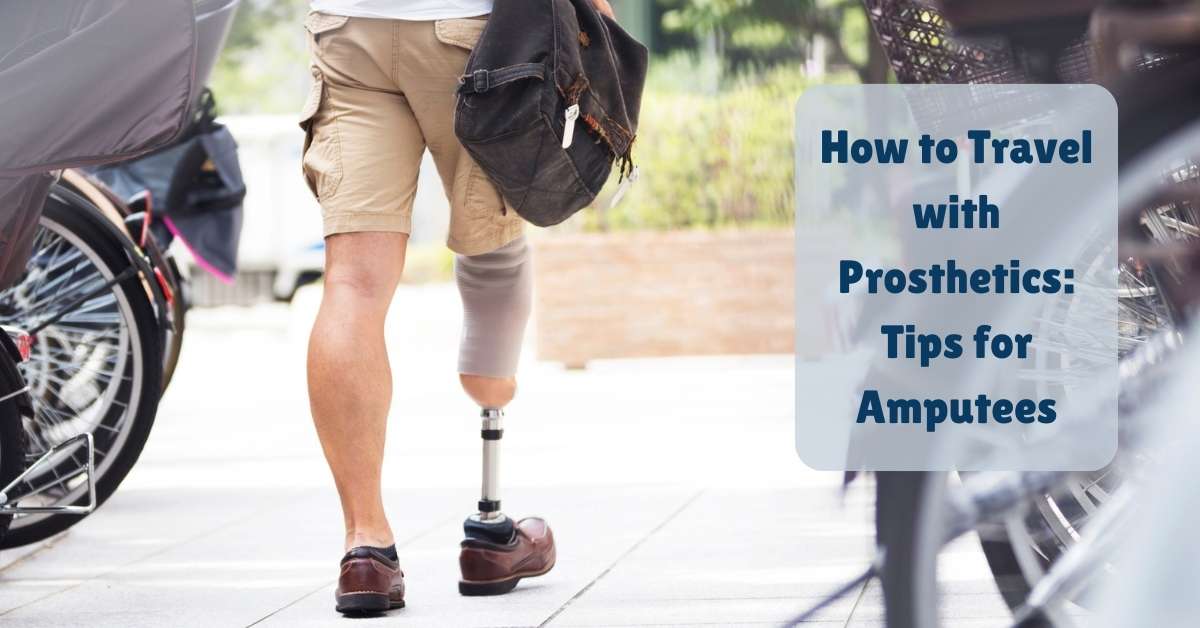
How to Travel with Prosthetics: Tips for Amputees
Traveling is a wonderful way to explore the world, but it can present unique challenges for those with prosthetic limbs. Whether you're traveling by airplane, car, or train, each mode of transportation requires different considerations to ensure comfort, safety, and ease throughout your journey. With proper preparation and planning, traveling with a prosthetic can be a smooth experience.
Planning Ahead for Your Trip
Proper planning is important when traveling with a prosthetic limb. Whether you’re traveling by air, train, or car, preparing in advance can help you avoid last-minute complications. Here's what you should consider:
a) Talk to Your Prosthetist
Before embarking on your journey, it's a good idea to check in with your prosthetist. They can perform a quick check on your prosthesis, ensuring everything is in proper working order. If you’re traveling for an extended period, they may recommend taking spare parts like screws or liners, in case repairs are needed while you’re away.
b) Carry Necessary Tools and Supplies
Before any trip, it’s a good idea to schedule a check-up with your prosthetist to ensure your prosthetic is functioning well. Ask them for advice on what to carry during your trip—such as extra liners, socks, or any necessary adjustment tools. If your prosthetic is likely to encounter extreme weather conditions or heavy use, discuss any special care tips or spare parts to bring.
c) Prepare for Temperature Changes
If your trip involves significant temperature changes, remember that extreme cold or heat can affect the fit and function of your prosthetic limb. Be prepared with extra liners or socks in case swelling or shrinking occurs due to temperature fluctuations.
d) Insurance and Medical Documentation
If you’re traveling internationally, consider carrying your medical documentation, such as a letter from your doctor explaining your prosthetic device. It's also wise to check if your health insurance covers you in other countries, especially if your prosthesis requires repairs or adjustments while abroad.
Health and Safety Tips for All Forms of Travel
No matter how you’re traveling, here are some universal tips to ensure you stay safe, comfortable, and healthy on your journey:
a) Maintain Proper Hygiene
Traveling can make it difficult to maintain proper hygiene, but it's essential to keep your prosthetic and residual limb clean, especially during long trips. Carry wipes or a portable cleaning solution to regularly clean your prosthetic, particularly in humid or sweaty conditions.
b) Hydration and Nutrition
Staying hydrated is essential when traveling, especially during long flights or car trips. Dehydration can lead to swelling and discomfort, making it harder for your prosthetic to fit properly. Avoid alcohol or caffeine, which can further dehydrate you. Eating nutritious, light meals can also help you stay energized throughout your trip.
c) Comfortable Clothing
Wear loose-fitting and comfortable clothing when traveling, especially on long journeys. Tight clothing can irritate your skin and make your prosthetic uncomfortable. Layering is a good option, particularly when traveling through different climates.
d) Dealing with Swelling
Swelling in the residual limb is a common issue during long trips. To prevent this, elevate your leg whenever possible, wear compression socks, and move around or stretch frequently to improve circulation.
Packing and Mobility Considerations
a) Packing Light
While it’s tempting to pack everything you think you might need, traveling light is always a good idea. Carrying too much luggage can strain your body and affect your balance, particularly if you're wearing a prosthetic leg. Pack only the essentials and use a suitcase with wheels to minimize the load you carry.
b) Mobility Aids
If your prosthetic limb is designed for walking or standing for long periods, it should serve you well during your trip. However, if you anticipate long walks or periods of standing, it might be helpful to bring additional mobility aids like a cane or crutches. This is particularly useful for navigating large airports or sightseeing destinations with uneven terrain.
c) Prosthetic Care While Traveling
During your trip, it’s important to care for your prosthetic to avoid damage or discomfort. Clean your prosthetic regularly, especially if you’re in a hot or humid environment, as sweat can cause irritation. Be mindful of where you place your prosthetic limb when not in use to avoid accidental damage.
Air Travel with a Prosthetic Limb
Flying with a prosthetic limb requires special attention, particularly when passing through airport security and navigating the plane. Here are some tips to help you through the process.
a) Airport Security and Screening
At Indian airports, prosthetics are considered medical devices, and you should not be required to remove them during security screening. However, expect that additional checks—like a pat-down or inspection of your prosthetic limb—may be necessary.
Notify Security Officers: Inform security officers early on that you are wearing a prosthetic limb. You may request a private screening if you’re uncomfortable with being examined in public.
X-Ray and Body Scanners: You can opt for a pat-down or choose to go through a body scanner. Prosthetic limbs are usually visible in these scans and may still prompt further checks.
b) Boarding and Seating on the Plane
When booking your ticket, consider requesting a seat with extra legroom, particularly if you’re wearing a leg prosthetic. Bulkhead seats or exit-row seats may offer more space. Inform the airline in advance about your prosthetic so they can assist with special seating arrangements if needed.
Comfort During the Flight: Long flights can lead to swelling and discomfort in your residual limb, especially if you’re sitting for an extended period. Wear comfortable, loose clothing, and get up to stretch or walk around when possible. Wearing compression socks can also help prevent swelling.
Carry On Essentials: Keep your prosthetic-related supplies in your carry-on luggage. This ensures that you have everything you need during the flight, such as spare liners or tools for adjustments.
Traveling by Car with a Prosthetic Limb
Traveling by car provides more control over your environment compared to air or train travel, but long drives can still present challenges for those with prosthetics.
a) Car Modifications
If you’re driving, make sure the car is adapted to accommodate your prosthetic limb if needed. Many drivers with lower-limb prosthetics use hand controls or custom foot pedals. Consult with your prosthetist or a vehicle modification specialist if this applies to you.
Comfort During Driving: Sitting for long periods can lead to discomfort or swelling in your residual limb, so take regular breaks to stretch, walk around, and change positions. Adjust the car seat to ensure you have proper leg and back support to avoid strain.
b) Packing for a Road Trip
When driving, you have the luxury of bringing more supplies compared to air or train travel. Pack a bag with extra prosthetic care items, such as liners, cleaning materials, and any tools needed for quick adjustments. If you’ll be staying in hotels, keep these supplies easily accessible.
c) Traveling as a Passenger
If you’re not driving, make sure you have ample legroom and a comfortable position in the car. You can use small pillows or cushions to make long car rides more comfortable and avoid putting strain on your residual limb.
d) Managing Fatigue on the Road
Long road trips can cause fatigue for anyone, but especially for those wearing prosthetic limbs. Take breaks every 1-2 hours to get out of the car, stretch, and adjust your prosthetic if necessary. Regular movement is important to prevent stiffness or discomfort.
Train Travel with a Prosthetic Limb
Train travel can be a more relaxed and accessible option for people with prosthetics, offering more legroom and the freedom to move around compared to air or car travel. Here are some helpful tips to ensure a smooth journey by train.
a) Booking Accessible Seats
When booking your train ticket, make sure to inquire about accessible seating. Many trains offer designated spaces for passengers with disabilities, which typically provide extra legroom and easy access to the bathrooms. If you're traveling in Europe, for example, high-speed trains often have dedicated areas for people with mobility challenges.
b) On-Board Comfort
Trains generally allow passengers to walk around more freely than airplanes or cars, so take advantage of this to keep your limbs comfortable. Stretching and walking will help prevent stiffness and swelling in your residual limb.
Seating: Choose seats that allow for easy access to exits or bathrooms if needed. Many trains allow you to reserve specific seats in advance, so pick ones that offer the most room for your comfort.
Luggage: Make sure your prosthetic care kit is within easy reach. Keep your kit either with your hand luggage or in an overhead compartment that’s easily accessible.
c) Getting On and Off the Train
Getting on and off trains can sometimes be tricky, especially if the platform is not level with the train door. Be cautious when stepping on or off the train, and if needed, ask for assistance from train staff, who are usually well-trained in helping passengers with disabilities.
Accessibility Services: In many countries, train stations offer special assistance for people with mobility issues. Contact the station in advance to request help with boarding or disembarking if needed.
Dealing with Travel Fatigue and Physical Strain
Travel can be exhausting, particularly for people with prosthetic limbs, as prolonged walking, standing, or sitting can lead to discomfort. Here are a few strategies to avoid fatigue:
a) Take Frequent Breaks
When traveling, take frequent breaks to rest your prosthetic limb. This is especially important when flying or driving long distances. Walk around to keep blood circulating, and when seated, try to stretch and adjust your position to avoid discomfort.
b) Know Your Limits
It’s easy to get caught up in the excitement of exploring a new destination, but it’s important to know your physical limits. If you feel tired or experience discomfort, don’t hesitate to take a break or shorten your activities for the day.
c) Hydrate and Stay Healthy
Staying hydrated is essential to avoiding fatigue and swelling, particularly if you’re flying. Drink plenty of water and avoid excessive caffeine or alcohol, as these can dehydrate you and exacerbate swelling in your residual limb.
International Travel and Adaptability
a) Research Your Destination
Different countries have varying levels of accessibility for people with disabilities. Research the accessibility of the places you’ll be visiting, especially if you’ll be using public transportation or visiting historical sites. Many cities offer guides or apps specifically designed for travelers with mobility challenges.
b) Learn About Local Healthcare Facilities
It's a good idea to familiarize yourself with local healthcare facilities, just in case you need to make repairs to your prosthesis or receive medical care during your trip. Knowing where to go in advance can save you time and reduce stress if an issue arises.
c) Prosthetic Insurance
Make sure your prosthetic is insured, particularly for international travel. In case your prosthesis gets damaged or lost, having insurance will ensure you can get repairs or replacements covered.
Travel-Friendly Prosthetic Options
Some prosthetic limbs are specifically designed for active lifestyles and travel. If you’re an avid traveler, speak with your prosthetist about travel-friendly prosthetic options. These may be lightweight, waterproof, or equipped with features that make them more adaptable to various activities.
For example:
Waterproof Prosthetics: If your trip includes swimming, beach activities, or water sports, you may want a waterproof prosthesis.
Activity-Specific Prosthetics: Some prosthetics are designed for hiking, running, or other high-impact activities. If you plan on doing outdoor activities during your trip, consider bringing or renting a specialized prosthetic limb.
Enjoying Your Destination
Once you’ve made it to your destination, it’s time to relax and enjoy yourself! Don’t let your prosthetic limit your experience—traveling is all about exploring new places and creating memories. Here are some final tips for making the most of your trip:
a) Use Accessible Accommodations
Many hotels and resorts offer rooms with accessibility features, such as roll-in showers, ramps, and wider doorways. When booking your accommodations, ask about these features to ensure your stay is comfortable.
b) Stay Active, But Be Comfortable
If you're visiting a city, take it easy and break up your activities with rest periods. Use public transport or rent mobility aids like electric scooters if necessary. If you’re exploring nature, stick to trails that are well-maintained and not too challenging.
Be Prepared and Confident in Your Prosthetic Care and Embrace the Joys of Travel
Traveling with a prosthetic may come with unique challenges, but with the right preparation, it can be a smooth and enjoyable experience. From pre-trip planning and airport navigation to exploring your destination with confidence, these tips will help ensure your trip is memorable for all the right reasons. Embrace the adventure, stay proactive about your prosthetic care, and enjoy everything that traveling has to offer!
At Proactive Technical Orthopaedics, top prosthetic manufacturer in India, we understand the importance of finding the right prosthetic solution tailored to your unique needs. Our dedicated team of experts is here to guide you every step of the way, Contact today to schedule a consultation.
Always consult with a qualified healthcare provider or prosthetist regarding any concerns or questions about your prosthetic limb and its usage. Individual needs and circumstances may vary, and a healthcare professional can provide personalized guidance tailored to your specific situation.
Adjusting your prosthetic limb is a normal part of living with one, and recognizing the signs early can save you from unnecessary discomfort or reduced mobility. Pay attention to your body and your prosthetic to ensure they work together seamlessly. By addressing these issues promptly and maintaining regular contact with your prosthetist, you can continue to enjoy a comfortable, active, and independent lifestyle.
Always consult with a qualified healthcare provider or prosthetist regarding any concerns or questions about your prosthetic limb and its usage. Individual needs and circumstances may vary, and a healthcare professional can provide personalized guidance tailored to your specific situation.
Looking for a dependable orthotic components supplier in India for your specific requirements? Contact us today to discuss your application, product needs, and fabrication requirements with our team. Let’s work together to support better orthotic solutions from the very first component.
Frequently Asked Questions
What Is The Main Difference Between Custom-Made And Prefabricated Orthoses?
Custom-made orthoses are designed and fabricated for an individual using their measurements, anatomy, and functional requirements. Prefabricated orthoses are manufactured in standard designs and sizes and are selected from available options based on the user's needs.
Are Prefabricated Orthoses Effective?
Yes, prefabricated orthoses can be effective when their design, size, and support characteristics are appropriate for the person's condition and intended use. Their effectiveness depends on the individual application rather than simply being labelled as prefabricated.
Are Custom-Made Orthoses Always Better?
No. Custom-made orthoses are not automatically better for every user or condition. Research in areas such as plantar heel pain has not consistently demonstrated a clear advantage of custom foot orthoses over prefabricated alternatives for all outcomes.
How Are Custom Orthoses Made?
Custom orthoses are usually developed after an individual assessment. Depending on the device, the process may involve measurements, casting, impressions, or digital scanning, followed by design, fabrication, fitting, and adjustments.
Who Can Help Select The Right Orthosis?
A qualified orthotic professional or appropriate healthcare professional can assess the person's condition, anatomy, movement, activity requirements, and intended use before recommending a suitable orthotic solution.