
What Is The Difference Between Custom-Made And Prefabricated Orthoses
Summary : Choosing an orthosis is not simply about picking a device from a shelf. The right option depends on the body part being supported, the level of correction required, comfort, daily activities, and individual anatomy. This article explains the difference between custom-made and prefabricated orthoses, how they are designed and fitted, where each option may be useful, and how professional assessment can help guide the decision.
Orthoses are external devices used to support, align, protect, stabilise, or assist parts of the body. They can be designed for the foot, ankle, knee, spine, hand, wrist, and other areas depending on the user's needs. Some are made specifically for one person, while others are manufactured in standard sizes and supplied ready to use.
This is where the difference between custom-made and prefabricated orthoses becomes important. A custom-made orthosis is developed around an individual's anatomy and functional requirements, while a prefabricated orthosis follows a standard design and sizing system. Neither option is automatically suitable for every person. The purpose of the device and the individual's needs should guide the choice.
What Are Custom-Made Orthoses?
Custom-made orthoses are designed and fabricated for a particular individual. The process generally starts with an assessment of the person's condition, anatomy, movement, functional requirements, and intended use of the device.
Depending on the body area and type of orthosis, the practitioner may take measurements, create an impression or cast, or use digital scanning technology. These details are then used to develop an orthosis with the required shape, support, alignment, and control.
Customisation can also involve selecting specific materials, joints, straps, padding, or other components. Once the device is produced, it can be checked during fitting and adjusted where necessary to improve comfort and function.
Individual Fit And Design
One of the main characteristics of a custom-made orthosis is its individual fit. The device is not simply chosen because it matches a standard size. Instead, its dimensions and design are based on the user's anatomy and the clinical purpose of the orthosis.
This can be especially useful when a person has unusual anatomy, significant asymmetry, specific pressure-distribution needs, or functional requirements that are difficult to meet with a standard device.
Personalised Fabrication Process
Custom fabrication usually involves several stages rather than immediate supply. Assessment, design, fabrication, fitting, and follow-up can all form part of the process. This makes it possible to make refinements when required.
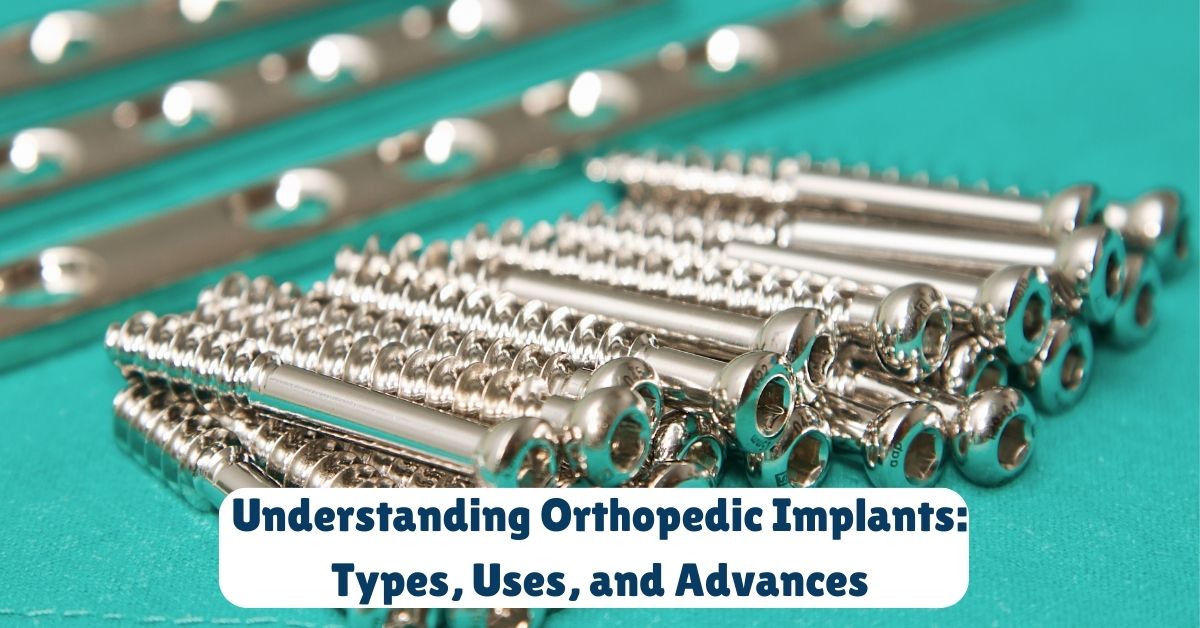
Understanding Orthopedic Implants: Types, Uses, and Advances
Orthopedic implants are medical devices used to replace or support damaged bones and joints. When parts of the body, like hips, knees, or shoulders, are injured or worn out due to conditions like arthritis or fractures, these implants help restore movement and reduce pain. They are usually made from strong, durable materials like metal or plastic and are designed to work inside the body without causing harm. By using orthopedic implants, doctors can help patients regain their ability to move freely and improve their overall quality of life.
Importance and Impact on Patient Mobility and Quality of Life
Orthopedic implants play an important role in helping people move better and live more comfortably. When someone has a damaged bone or joint, it can be very painful and make it hard to do everyday activities like walking, climbing stairs, or even getting out of a chair.
By replacing or supporting these damaged parts with implants, doctors can significantly reduce pain and improve how well the joint or bone works.
This means patients can move more easily, do more of the activities they enjoy, and feel less restricted by their condition. Overall, orthopedic implants help people lead more active, independent, and fulfilling lives.
What are Orthopedic Implants?
Orthopedic implants are specially designed medical devices that are surgically placed inside the body to replace, support, or enhance bones and joints. They are made from strong, durable materials such as metal, ceramic, or plastic that can withstand the forces and movements of the body. These implants are carefully engineered to fit the unique shapes and structures of the bones and joints they replace or support.
Orthopedic implants serve several important purposes, helping patients recover from injuries and conditions that affect their bones and joints. Here are the main purposes of orthopedic implants:
Replace Damaged Bones or Joints: When a bone or joint is severely damaged due to injury, disease, or wear and tear, an orthopedic implant can take its place. For example, a hip replacement involves removing a damaged hip joint and inserting an artificial one, allowing the patient to move more comfortably.
Support Broken Bones: In cases of fractures, orthopedic implants like plates, screws, or rods can be used to hold the broken pieces of bone together, ensuring they heal properly. These devices provide stability and strength, helping the bone to fuse back into its correct shape.
Correct Deformities: Some people are born with or develop bone and joint deformities that affect their ability to move or cause pain. Orthopedic implants can be used to correct these deformities, improving function and appearance.
Stabilize Joints: For joints that are unstable or prone to dislocation, implants can provide the necessary support to keep the joint in place and allow for smooth, pain-free movement.
Enhance Functionality: In certain cases, implants can be used to enhance the function of a joint or bone, making it stronger or more durable. This is especially important for athletes or individuals who put a lot of stress on their joints.
Overall, orthopedic implants are essential tools in modern medicine, helping to restore mobility, reduce pain, and improve the quality of life for many patients. They are used in a variety of situations, from emergency trauma care to planned surgeries for chronic conditions, making a significant difference in how patients recover and live their lives.
What are the Types of Orthopedic Implants?
Orthopedic implants come in various forms, each designed to address specific problems with bones and joints. Here’s a detailed look at the main types:
Joint Replacement Implants
Hips:
– Hip Replacement Implants are used when the hip joint is damaged, often due to arthritis or a fracture. The implant consists of a ball and socket that replace the natural hip joint, allowing for smoother, pain-free movement. The ball is usually made of metal or ceramic, while the socket can be made of plastic, metal, or ceramic.
Knees:
– Knee Replacement Implants are designed for patients with severe knee damage, typically from arthritis. The implant replaces the damaged knee joint with metal and plastic components that mimic the function of a natural knee. This helps restore movement and reduce pain.
Shoulders:
– Shoulder Replacement Implants are used for patients with severe shoulder joint damage. These implants replace the damaged parts of the shoulder with metal and plastic components, allowing for improved movement and less pain. There are different types of shoulder implants, including total shoulder replacements and reverse shoulder replacements, depending on the patient's condition.
Internal Fixation Devices
Plates:
– Plates are flat metal devices attached to broken bones with screws. They help hold the bone fragments together, ensuring proper alignment and stability during healing. Plates come in various shapes and sizes to fit different bones and fracture types.
Screws:
– Screws are used alone or with other devices to fix broken bones. They are inserted directly into the bone to hold fragments together or to attach plates and rods. Screws vary in size and design depending on their specific use.
Pins:
– Pins are thin metal rods inserted into bones to hold them in place during healing. They are often used for fractures in smaller bones or in conjunction with other fixation devices.
Rods:
– Rods, also known as intramedullary nails, are long metal devices inserted into the hollow center of long bones, such as the femur or tibia. They provide strong internal support and alignment for fractures, especially in the legs.
Spinal Implants
Pedicle Screws:
– Pedicle Screws are special screws inserted into the vertebrae of the spine. They are used to stabilize the spine in cases of fractures, deformities, or degenerative conditions. These screws are often part of a larger system that includes rods to hold the spine in the correct position.
Spinal Cages:
– Spinal Cages are devices placed between the vertebrae to maintain space and stability after the removal of a damaged disc. They help restore proper alignment and support bone fusion, encouraging the vertebrae to grow together.
Rods:
– Spinal Rods are long, sturdy devices attached to the spine using screws or hooks. They provide additional support and alignment for the spine, especially in cases of scoliosis or other spinal deformities.
Bone Grafts and Substitutes
Bone Grafts:
– Bone Grafts involve transplanting bone tissue to repair or rebuild damaged bones. The graft can come from the patient’s own body (autograft), a donor (allograft), or be made from synthetic materials. Bone grafts are used to support bone healing, fill gaps, and provide structural support.
Bone Substitutes:
– Bone Substitutes are synthetic materials that mimic natural bone. They are used to fill bone defects, support bone growth, and enhance healing. Common materials include calcium phosphate, hydroxyapatite, and bioactive glass.
Each type of orthopedic implant is designed to address specific issues with bones and joints, helping patients recover from injuries, reduce pain, and improve mobility. By understanding the different types of implants, patients and healthcare providers can make informed decisions about the best treatment options.
Orthotics for Diabetics: Preventing Foot Complications
What are the Materials Used in Orthopedic Implants?
Orthopedic implants are made from materials that need to be strong, durable, and compatible with the human body. Here’s a detailed look at the common materials used, their important properties, and some emerging materials in the field.
Titanium:
– Titanium is widely used in orthopedic implants because it is strong, lightweight, and highly resistant to corrosion. Titanium is also biocompatible, meaning it can be placed in the body without causing an adverse reaction. It is often used for joint replacements, screws, and plates.
Stainless Steel:
– Stainless Steel is another common material used for orthopedic implants. It is strong, durable, and resistant to corrosion. However, it is heavier than titanium and may cause allergic reactions in some people. Stainless steel is typically used in temporary implants like screws and plates that may be removed after healing.
Cobalt-Chromium Alloys:
– Cobalt-Chromium Alloys are very strong and wear-resistant, making them ideal for joint replacement implants like hips and knees. These alloys are also biocompatible, but they can be heavier than titanium and stainless steel. They are often used in parts of implants that need to withstand significant stress and movement.
Biocompatibility and Durability Considerations
When selecting materials for orthopedic implants, two key considerations are biocompatibility and durability:
Biocompatibility: This means the material does not cause an adverse reaction when placed in the body. The body should accept the material without significant inflammation, infection, or rejection. Materials like titanium and certain ceramics are highly biocompatible, making them suitable for long-term implantation.
Durability: Implants need to withstand the forces and movements of the body without breaking or wearing out quickly. This requires materials that are strong and resistant to corrosion and wear. Durability ensures that the implant can function effectively for many years, providing lasting benefits to the patient.
Emerging Materials in Orthopedic Implants
Bio-ceramics:
– Bio-ceramics are advanced materials that include ceramics and glass. These materials are highly biocompatible and can integrate well with bone. They are used in bone grafts and coatings for metal implants to improve their interaction with the body. Some bio-ceramics can even stimulate bone growth, enhancing the healing process.
Polymers:
– Polymers are plastic-like materials that can be used in orthopedic implants. They are lightweight, flexible, and can be designed to mimic the properties of natural tissues. Polymers are used in spinal implants, joint replacements, and bone substitutes. Some polymers are biodegradable, meaning they break down in the body over time, which can be useful for temporary implants.
Composite Materials:
– Composite Materials combine two or more different materials to create an implant with superior properties. For example, a composite might combine the strength of a metal with the flexibility of a polymer. These materials can be tailored to meet the specific needs of different implants, offering a balance of strength, durability, and biocompatibility.
3D-Printed Materials:
– 3D-Printed Materials represent cutting-edge technology in orthopedic implants. Using 3D printing, customized implants can be created to match the exact shape and size of a patient’s bone or joint. 3D-printed foot and ankle implants are made with more tiny holes, unlike regular screws and plates. These holes help the implant fit better into the patient's body and support healing more effectively. These implants can be made from metals, ceramics, or polymers, and offer precise fit and improved outcomes.
Enhancing Mobility and Strength with Prostheses
Prostheses are a special type of orthopedic implant used to replace missing bones or joints. They can also support damaged bones, helping patients regain their strength and activity more quickly. Commonly used for knees and hips, prostheses allow patients to move more easily and with less pain.
Here’s a Closer Look at How Prostheses Work
Replacing Missing Bones or Joints
Knee and Hip Prostheses: These are the most common types of prosthetic implants. When a knee or hip joint is severely damaged or missing, a prosthesis can replace it. This helps the patient regain the ability to walk, run, and perform daily activities without pain.
Supporting Damaged Bones
Support for Damaged Bones: Prostheses can also be used to provide extra support to bones that are weakened or damaged but not entirely missing. This can help stabilize the bone and allow it to heal properly.
Combining Prosthetic Materials with Healthy Bones
Hybrid Approach: Sometimes, surgeons use a combination of prosthetic materials and the patient’s healthy bones. This technique can replace damaged or diseased parts of a bone while preserving as much of the natural bone as possible. It’s a way to enhance the strength and function of the bone using both natural and artificial components.
How Prosthetics Enhance the Lives of Amputees?
Improved Mobility: Prosthetic implants enable patients to move more freely and with less pain, significantly improving their quality of life.
Quick Recovery: Patients often regain their physical strength and activity levels relatively quickly after receiving a prosthetic implant.
Pain Relief: By replacing or supporting damaged bones and joints, prostheses can greatly reduce or eliminate pain.
Prostheses are a crucial tool in modern orthopedic medicine, offering patients a chance to restore their mobility and enjoy a more active and pain-free life.
Conclusion
Orthopedic implants and prostheses are transformative tools in modern medicine, offering patients relief from pain and restoring mobility. From joint replacement implants that mimic natural movement to advanced materials like titanium and bio-ceramics, these innovations continue to improve outcomes and enhance quality of life.
Whether it's correcting deformities, stabilizing fractures, or replacing missing joints, orthopedic implants play a crucial role in helping individuals regain independence and resume their daily activities. As technology advances, the future holds promise for even more personalized and effective orthopedic solutions, ensuring better health and well-being for patients worldwide.
Always consult with a healthcare professional to identify the most suitable orthotics and prosthetics manufacturer in India for your individual requirements. This step is important in ensuring optimal care and protection for you to make informed decisions about your health and mobility.
Adjusting your prosthetic limb is a normal part of living with one, and recognizing the signs early can save you from unnecessary discomfort or reduced mobility. Pay attention to your body and your prosthetic to ensure they work together seamlessly. By addressing these issues promptly and maintaining regular contact with your prosthetist, you can continue to enjoy a comfortable, active, and independent lifestyle.
Always consult with a qualified healthcare provider or prosthetist regarding any concerns or questions about your prosthetic limb and its usage. Individual needs and circumstances may vary, and a healthcare professional can provide personalized guidance tailored to your specific situation.
Looking for a dependable orthotic components supplier in India for your specific requirements? Contact us today to discuss your application, product needs, and fabrication requirements with our team. Let’s work together to support better orthotic solutions from the very first component.