What Is The Difference Between Custom-Made And Prefabricated Orthoses
Summary : Choosing an orthosis is not simply about picking a device from a shelf. The right option depends on the body part being supported, the level of correction required, comfort, daily activities, and individual anatomy. This article explains the difference between custom-made and prefabricated orthoses, how they are designed and fitted, where each option may be useful, and how professional assessment can help guide the decision.
Orthoses are external devices used to support, align, protect, stabilise, or assist parts of the body. They can be designed for the foot, ankle, knee, spine, hand, wrist, and other areas depending on the user's needs. Some are made specifically for one person, while others are manufactured in standard sizes and supplied ready to use.
This is where the difference between custom-made and prefabricated orthoses becomes important. A custom-made orthosis is developed around an individual's anatomy and functional requirements, while a prefabricated orthosis follows a standard design and sizing system. Neither option is automatically suitable for every person. The purpose of the device and the individual's needs should guide the choice.
What Are Custom-Made Orthoses?
Custom-made orthoses are designed and fabricated for a particular individual. The process generally starts with an assessment of the person's condition, anatomy, movement, functional requirements, and intended use of the device.
Depending on the body area and type of orthosis, the practitioner may take measurements, create an impression or cast, or use digital scanning technology. These details are then used to develop an orthosis with the required shape, support, alignment, and control.
Customisation can also involve selecting specific materials, joints, straps, padding, or other components. Once the device is produced, it can be checked during fitting and adjusted where necessary to improve comfort and function.
Individual Fit And Design
One of the main characteristics of a custom-made orthosis is its individual fit. The device is not simply chosen because it matches a standard size. Instead, its dimensions and design are based on the user's anatomy and the clinical purpose of the orthosis.
This can be especially useful when a person has unusual anatomy, significant asymmetry, specific pressure-distribution needs, or functional requirements that are difficult to meet with a standard device.
Personalised Fabrication Process
Custom fabrication usually involves several stages rather than immediate supply. Assessment, design, fabrication, fitting, and follow-up can all form part of the process. This makes it possible to make refinements when required.
Cold Weather Care Tips for Prosthetic Wearers
Cold weather brings unique challenges for prosthetic wearers, from maintaining comfort to ensuring the prosthetic remains functional and safe. Winter conditions like freezing temperatures, icy paths, and dry air can affect both the residual limb and the prosthetic itself. This guide provides practical tips to help prosthetic wearers stay comfortable, safe, and proactive during the colder months.
1. Keep Your Residual Limb Warm and Protected
Cold temperatures can cause the blood vessels in the residual limb to constrict, leading to discomfort, numbness, or reduced circulation.
- Layer Up Smartly: Wear thermal liners, warm socks, or insulated covers over your residual limb. Materials like fleece or wool can help retain heat.
- Avoid Prolonged Exposure: Limit time outdoors in freezing weather to prevent frostbite or skin irritation.
- Use Hand Warmers: Consider placing a safe, gentle heat source, like a hand warmer, near your prosthetic socket (but not in direct contact) to maintain warmth.
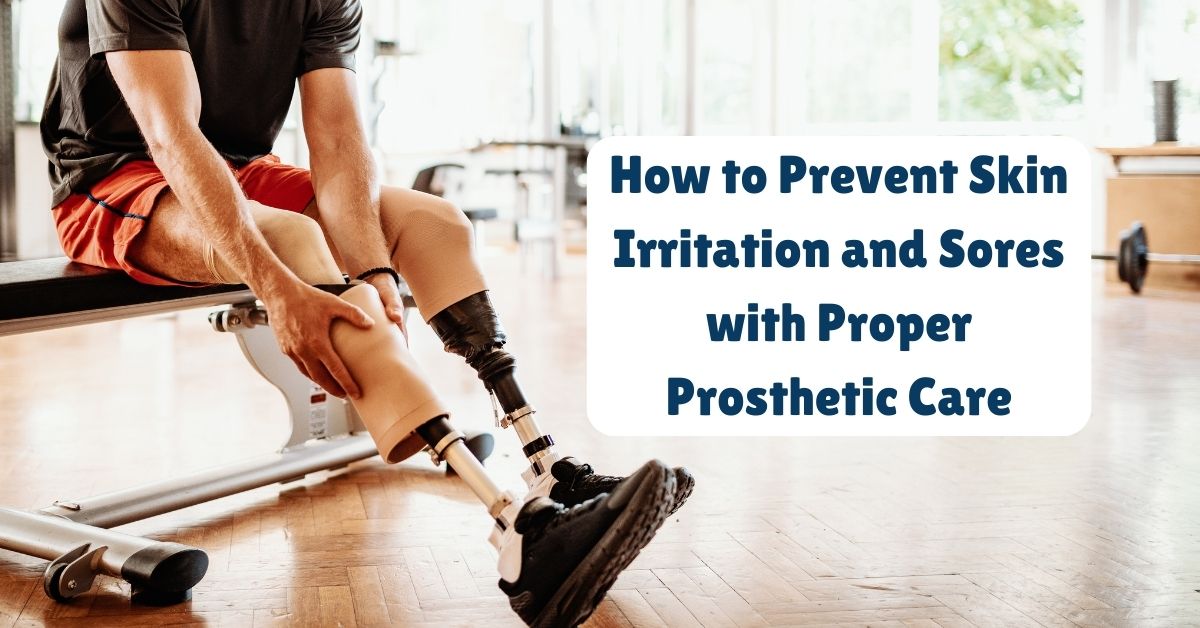
How to Prevent Skin Irritation and Sores with Proper Prosthetic Care
Living with a prosthetic limb can help restore mobility and independence, but it also comes with the responsibility of proper care. Without the right maintenance and attention, prosthetic users may experience skin irritation, sores, and discomfort. These issues can lead to infections and affect how well the prosthetic functions, so it's important to take preventive measures.
In this guide, we’ll walk through practical tips and habits that will help you prevent skin irritation and sores while ensuring that your prosthetic stays comfortable and useful in your daily life.
Keep Your Skin Clean and Dry
One of the most important steps in preventing skin irritation is maintaining good hygiene. The skin inside the prosthetic socket is often exposed to sweat, friction, and pressure, making it more vulnerable to irritation.
Wash your residual limb daily with mild soap and lukewarm water to remove sweat, dirt, and bacteria.
After washing, pat the area dry gently with a soft towel. Make sure your skin is completely dry before putting on your prosthetic.
Avoid using hot water as it can dry out the skin, making it more prone to cracks and irritation.
A clean, dry limb helps reduce the risk of developing blisters, rashes, or skin breakdown, which are common issues among prosthetic users.
Choose the Right Socket Liner and Socks
The socket liner and prosthetic socks play a critical role in preventing skin irritation. These materials act as a cushion between your skin and the hard parts of the prosthetic, reducing friction and pressure.
Socket liners: These are worn inside the prosthetic socket to protect your skin. Make sure to choose one made from a breathable, soft material that fits well. A poorly fitting liner can rub against your skin and cause irritation.
Prosthetic socks: Wearing the right sock thickness is essential. Too thin or thick can lead to discomfort and skin issues. Socks help absorb sweat and provide a comfortable fit. Be sure to adjust the thickness of your socks throughout the day, as your limb may swell or shrink slightly.
Make sure your socket liner and socks are clean and in good condition. Replace them if they become worn or if they no longer fit properly.
Check Your Skin Regularly
Performing daily skin checks can help you spot early signs of irritation, blisters, or sores before they become serious problems.
After removing your prosthetic, take a few minutes to inspect your skin. Look for areas of redness, swelling, or tenderness. These may indicate that your prosthetic is causing too much pressure in certain areas.
Use a mirror if needed to check hard-to-see places, or ask a family member to help you.
If you notice any persistent redness, blistering, or sores, contact your prosthetist or healthcare provider as soon as possible.
Catching these issues early can prevent them from getting worse and help you make adjustments to your prosthetic for a better fit.
Moisturize Your Skin Appropriately
Healthy skin is more resistant to irritation and sores, so keeping your skin well-moisturized is key. However, it's important to choose the right type of moisturizer and apply it at the right time.
Use a gentle, unscented moisturizer on your residual limb to prevent your skin from becoming dry or cracked. Avoid lotions with harsh chemicals, fragrances, or alcohol, as they can irritate your skin.
Apply moisturizer at night or several hours before putting on your prosthetic to give it time to absorb into your skin. Applying moisturizer right before wearing your prosthetic can cause your skin to become slippery, increasing the risk of irritation.
By keeping your skin moisturized, you help it stay healthy, soft, and better able to handle the pressure of daily prosthetic use.
Ensure Proper Prosthetic Fit
A well-fitting prosthetic is one of the most important factors in preventing skin irritation and sores. If your prosthetic is too tight or too loose, it can cause friction and pressure points, leading to discomfort or injury.
Regularly check the fit of your prosthetic. Over time, your residual limb may change in size due to swelling or muscle atrophy, which can affect how your prosthetic fits.
If you notice that your prosthetic is causing discomfort or is not fitting properly, schedule an appointment with your prosthetist. They can make necessary adjustments to the socket or liner for a better fit.
Don’t ignore small discomforts, as they can lead to bigger issues down the road. Regular visits to your prosthetist ensure that your prosthetic continues to fit comfortably as your body changes.
Keep Your Prosthetic Clean
Proper prosthetic hygiene is essential to preventing skin irritation and sores. Bacteria and sweat can accumulate inside your prosthetic, especially in the socket and liner, leading to irritation and potential infections.
Clean your prosthetic socket daily with mild soap and warm water. Wipe it down thoroughly to remove any sweat, dirt, or bacteria.
Clean your liner regularly according to the manufacturer's instructions. Most liners can be hand-washed and air-dried. Make sure it's fully dry before putting it back on.
Replace liners and socks when they become worn out. Over time, materials can lose their cushioning and protection, leading to increased friction on your skin.
By maintaining a clean prosthetic, you reduce the risk of irritation and infections, keeping your skin healthy.
Manage Sweating
Sweating inside your prosthetic socket is a common issue, especially during warm weather or physical activity. Excessive sweat can lead to skin irritation and increase the chances of blisters or sores forming.
Use prosthetic sweat liners or antiperspirants designed for residual limbs. These products help control sweating and keep your skin dry. Be sure to choose a product that is safe for sensitive skin.
Change your prosthetic socks throughout the day if they become damp with sweat. Keeping the area dry is key to preventing irritation.
If sweating is a persistent issue, talk to your prosthetist about additional solutions, such as moisture-wicking liners or ventilation systems for your socket.
Listen to Your Body
Lastly, always listen to your body. If you start feeling discomfort, pressure, or irritation, it’s important to address the issue immediately. Don’t wait for a small problem to turn into a bigger one.
If something doesn’t feel right with your prosthetic, take it off and inspect your skin.
Contact your prosthetist if you notice any changes in the way your prosthetic feels, such as increased pressure, rubbing, or discomfort.
By paying attention to your body’s signals and acting early, you can prevent irritation and sores from developing.
Prioritize Your Comfort and Health
Preventing skin irritation and sores with proper prosthetic care is essential for your comfort and overall well-being. By keeping your skin clean, ensuring a proper fit, and regularly checking for signs of irritation, you can avoid common issues and enjoy a smoother experience with your prosthetic.
Remember, it’s important to stay in regular contact with your prosthetist, who can help adjust your prosthetic to ensure it remains comfortable as your body changes. With a little extra care and attention, you can protect your skin, stay comfortable, and focus on living life to the fullest with your prosthetic.
Always consult with a qualified healthcare provider or prosthetist regarding any concerns or questions about your prosthetic limb and its usage. Individual needs and circumstances may vary, and a healthcare professional can provide personalized guidance tailored to your specific situation.
Adjusting your prosthetic limb is a normal part of living with one, and recognizing the signs early can save you from unnecessary discomfort or reduced mobility. Pay attention to your body and your prosthetic to ensure they work together seamlessly. By addressing these issues promptly and maintaining regular contact with your prosthetist, you can continue to enjoy a comfortable, active, and independent lifestyle.
Always consult with a qualified healthcare provider or prosthetist regarding any concerns or questions about your prosthetic limb and its usage. Individual needs and circumstances may vary, and a healthcare professional can provide personalized guidance tailored to your specific situation.
Looking for a dependable orthotic components supplier in India for your specific requirements? Contact us today to discuss your application, product needs, and fabrication requirements with our team. Let’s work together to support better orthotic solutions from the very first component.
Frequently Asked Questions
What Is The Main Difference Between Custom-Made And Prefabricated Orthoses?
Custom-made orthoses are designed and fabricated for an individual using their measurements, anatomy, and functional requirements. Prefabricated orthoses are manufactured in standard designs and sizes and are selected from available options based on the user's needs.
Are Prefabricated Orthoses Effective?
Yes, prefabricated orthoses can be effective when their design, size, and support characteristics are appropriate for the person's condition and intended use. Their effectiveness depends on the individual application rather than simply being labelled as prefabricated.
Are Custom-Made Orthoses Always Better?
No. Custom-made orthoses are not automatically better for every user or condition. Research in areas such as plantar heel pain has not consistently demonstrated a clear advantage of custom foot orthoses over prefabricated alternatives for all outcomes.
How Are Custom Orthoses Made?
Custom orthoses are usually developed after an individual assessment. Depending on the device, the process may involve measurements, casting, impressions, or digital scanning, followed by design, fabrication, fitting, and adjustments.
Who Can Help Select The Right Orthosis?
A qualified orthotic professional or appropriate healthcare professional can assess the person's condition, anatomy, movement, activity requirements, and intended use before recommending a suitable orthotic solution.