What is a Transtibial Prosthesis : A Journey of Resilience and Innovation

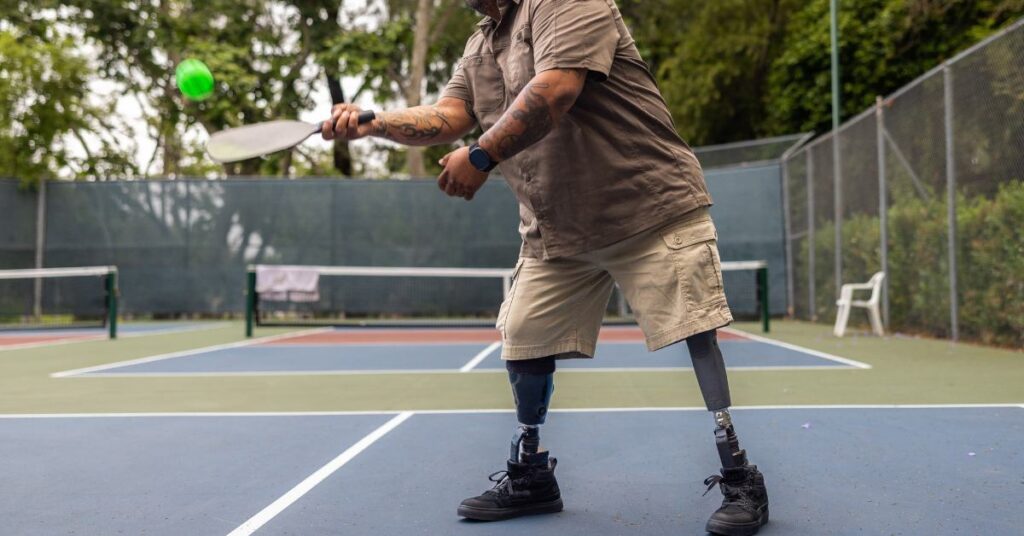
Summary : Choosing an orthosis is not simply about picking a device from a shelf. The right option depends on the body part being supported, the level of correction required, comfort, daily activities, and individual anatomy. This article explains the difference between custom-made and prefabricated orthoses, how they are designed and fitted, where each option may be useful, and how professional assessment can help guide the decision. Orthoses are external devices used to support, align, protect, stabilise, or assist parts of the body. They can be designed for the foot, ankle, knee, spine, hand, wrist, and other areas depending on the user’s needs. Some are made specifically for one person, while others are manufactured in standard sizes and supplied ready to use. This is where the difference between custom-made and prefabricated orthoses becomes important. A custom-made orthosis is developed around an individual’s anatomy and functional requirements, while a prefabricated orthosis follows a standard design and sizing system. Neither option is automatically suitable for every person. The purpose of the device and the individual’s needs should guide the choice. What Are Custom-Made Orthoses? Custom-made orthoses are designed and fabricated for a particular individual. The process generally starts with an assessment of the person’s condition, anatomy, movement, functional requirements, and intended use of the device. Depending on the body area and type of orthosis, the practitioner may take measurements, create an impression or cast, or use digital scanning technology. These details are then used to develop an orthosis with the required shape, support, alignment, and control. Customisation can also involve selecting specific materials, joints, straps, padding, or other components. Once the device is produced, it can be checked during fitting and adjusted where necessary to improve comfort and function. Individual Fit And Design One of the main characteristics of a custom-made orthosis is its individual fit. The device is not simply chosen because it matches a standard size. Instead, its dimensions and design are based on the user’s anatomy and the clinical purpose of the orthosis. This can be especially useful when a person has unusual anatomy, significant asymmetry, specific pressure-distribution needs, or functional requirements that are difficult to meet with a standard device. Personalised Fabrication Process Custom fabrication usually involves several stages rather than immediate supply. Assessment, design, fabrication, fitting, and follow-up can all form part of the process. This makes it possible to make refinements when required. What is a Transtibial Prosthesis : A Journey of Resilience and Innovation Have you ever wondered how someone who has lost part of their leg below the knee manages to walk, run, or even dance again? The answer lies in an incredible piece of technology known as a transtibial prosthesis. This device not only restores mobility but also brings back a sense of normalcy and independence to the lives of many. So, what exactly is a transtibial prosthesis, and how does it work? What are the Types of Prosthetics? Prosthetic limbs are designed to help individuals regain functionality and mobility after an amputation. There are four main types of prosthetics based on the level of amputation: transradial, transhumeral, transtibial, and transfemoral. Transradial prosthetics are for below-the-elbow amputations and must provide a range of motions like gripping and holding, ensuring comfort, durability, and customization for daily tasks. Transhumeral prosthetics, for above-the-elbow amputations, need to replicate complex movements of both the elbow and hand, offering good weight distribution, stability, and advanced control systems for effective use. Transtibial prosthetics, used for below-the-knee amputations, focus on supporting walking, running, and other lower limb activities, providing stability, comfort, and durability. Transfemoral prosthetics, for above-the-knee amputations, must replicate the knee joint’s movements, offer energy efficiency, and ensure comfort and secure suspension for various activities. Each type of prosthetic is designed to meet specific needs, ensuring users can achieve the best possible mobility and quality of life. What is Actually Transtibial Prosthesis? A transtibial prosthesis is an artificial limb designed for individuals who have had a below-the-knee amputation. This type of prosthesis replaces the missing segment of the leg, allowing the user to engage in everyday activities with a degree of normalcy that would be otherwise unattainable. But it’s more than just a mechanical replacement; it’s a blend of art, science, and resilience that embodies the spirit of human ingenuity. Imagine losing a part of your leg and then being able to walk again, climb stairs, or play sports. It’s nothing short of miraculous, right? The transtibial prosthesis makes this possible through its sophisticated design and functionality. What are the Components of a Transtibial Prosthesis? To understand how a transtibial prosthesis works, let’s break down its primary components: 1. Socket: This is the part of the prosthesis that fits over the residual limb. It’s custom-made for each individual to ensure a comfortable and secure fit. The socket plays a crucial role in distributing the weight and reducing pressure points, which helps in preventing sores and discomfort. 2. Shank: The shank is the structural component that acts as the leg’s “bone,” connecting the socket to the prosthetic foot. It provides the necessary support and stability for walking and other movements. 3. Foot: Prosthetic feet come in various designs, ranging from simple, basic models to advanced, energy-storing versions that mimic the natural movement of a real foot. Some high-tech models even incorporate microprocessors to adjust the foot’s position in real-time, offering better balance and comfort. The Process of Getting a Transtibial Prosthesis The journey to getting a transtibial prosthesis is a combination of medical expertise and personal determination. It typically involves several steps: 1. Initial Assessment: The process begins with a thorough evaluation by a team of specialists, including doctors, prosthetists, and physical therapists. They assess the condition of the residual limb, overall health, and specific needs of the individual. 2. Casting and Measurement: To create a custom socket, the residual limb is measured and cast. This ensures the prosthesis will fit perfectly, providing maximum comfort and functionality. 3. Fitting and Adjustment: The initial fitting of the prosthesis is a critical
How Do Prosthetics Improves Quality of Life & Independence
What Is The Difference Between Custom-Made And Prefabricated Orthoses Summary : Choosing an orthosis is not simply about picking a device from a shelf. The right option depends on the body part being supported, the level of correction required, comfort, daily activities, and individual anatomy. This article explains the difference between custom-made and prefabricated orthoses, how they are designed and fitted, where each option may be useful, and how professional assessment can help guide the decision. Orthoses are external devices used to support, align, protect, stabilise, or assist parts of the body. They can be designed for the foot, ankle, knee, spine, hand, wrist, and other areas depending on the user's needs. Some are made specifically for one person, while others are manufactured in standard sizes and supplied ready to use. This is where the difference between custom-made and prefabricated orthoses becomes important. A custom-made orthosis is developed around an individual's anatomy and functional requirements, while a prefabricated orthosis follows a standard design and sizing system. Neither option is automatically suitable for every person. The purpose of the device and the individual's needs should guide the choice. What Are Custom-Made Orthoses? Custom-made orthoses are designed and fabricated for a particular individual. The process generally starts with an assessment of the person's condition, anatomy, movement, functional requirements, and intended use of the device. Depending on the body area and type of orthosis, the practitioner may take measurements, create an impression or cast, or use digital scanning technology. These details are then used to develop an orthosis with the required shape, support, alignment, and control. Customisation can also involve selecting specific materials, joints, straps, padding, or other components. Once the device is produced, it can be checked during fitting and adjusted where necessary to improve comfort and function. Individual Fit And Design One of the main characteristics of a custom-made orthosis is its individual fit. The device is not simply chosen because it matches a standard size. Instead, its dimensions and design are based on the user's anatomy and the clinical purpose of the orthosis. This can be especially useful when a person has unusual anatomy, significant asymmetry, specific pressure-distribution needs, or functional requirements that are difficult to meet with a standard device. Personalised Fabrication Process Custom fabrication usually involves several stages rather than immediate supply. Assessment, design, fabrication, fitting, and follow-up can all form part of the process. This makes it possible to make refinements when required. How Do Prosthetics Improves Quality of Life & Independence Every day, countless individuals face the challenge of adapting to life without a limb, a journey that can be both physically demanding and emotionally taxing. However, amidst these difficulties, the advancement of prosthetic technology has emerged as a beacon of hope, offering not just functional replacements for missing limbs, but also profound improvements in quality of life. In this exploration, let's uncover how these remarkable devices are reshaping the lives of amputees and empowering them to embrace new possibilities. What is an (Prosthetics) Artificial Limb? An artificial limb is a special device designed to help someone who has lost a part of their arm or leg. It's crafted to fit their body perfectly and assist them in doing things they might find challenging without it. An artificial limb could be made to resemble a hand and perform some of the tasks a real hand can do. These limbs can be made from different materials such as plastic, metal, or carbon fibre. What's fascinating is that some artificial limbs are quite advanced. They can be controlled by the person's muscles or even by their thoughts, thanks to amazing technology. These limbs are created to be comfortable and aid individuals in moving around more easily, making everyday activities like picking up objects or walking much simpler. Ultimately, artificial limbs serve as supportive tools, helping individuals regain some of the functions they may have lost. Who Uses Artificial Limbs? Artificial limbs, also known as prosthetics, are used by people who have lost a part or all of their limb due to various reasons such as accidents, injuries, congenital conditions, or medical conditions like diabetes or vascular disease. This includes individuals of all ages, from children to adults, who may require prosthetic arms, hands, legs, or feet to assist them in performing daily activities and improve their mobility and independence. Additionally, athletes and veterans who have sustained injuries may also use specialised prosthetics tailored to their specific needs and activities. Ultimately, artificial limbs are designed to support and enhance the lives of anyone who requires assistance due to limb loss. What Are The Four Main Types Of Artificial Limbs? The four main types of artificial limbs are: 1. Transtibial (Below-Knee) Prostheses: These are designed for individuals who have undergone amputation below the knee. They typically consist of a socket that fits over the residual limb, a prosthetic foot, and sometimes a pylon for support. 2. Transfemoral (Above-Knee) Prostheses: These prostheses are for individuals who have had an amputation above the knee. They include a socket that fits over the residual limb, a knee joint, a pylon, and a prosthetic foot. 3. Transradial (Below-Elbow) Prostheses: These are for individuals who have lost a part or all of their forearm and hand. They typically consist of a socket, an elbow joint (if applicable), a pylon, and a prosthetic hand or hook. 4. Transhumeral (Above-Elbow) Prostheses: These prostheses are for individuals who have undergone amputation above the elbow. They include a socket, an elbow joint, a pylon, and a prosthetic hand or hook. These types of prostheses can vary in design and complexity depending on the individual's needs, level of amputation, and functional goals. Additionally, there are specialized prostheses for specific activities or sports, such as swimming or running. How Artificial Limbs, or Prosthetics are Improving the Quality of Life for Individuals? 1. Restoring Mobility: One of the primary ways prosthetics enhance quality of life is by restoring mobility. Whether it's walking, running, or engaging in daily activities, prosthetic limbs enable
Prosthetics for Children: Addressing Unique Challenges and Needs in Pediatric Prosthetics

What Is The Difference Between Custom-Made And Prefabricated Orthoses Summary : Choosing an orthosis is not simply about picking a device from a shelf. The right option depends on the body part being supported, the level of correction required, comfort, daily activities, and individual anatomy. This article explains the difference between custom-made and prefabricated orthoses, how they are designed and fitted, where each option may be useful, and how professional assessment can help guide the decision. Orthoses are external devices used to support, align, protect, stabilise, or assist parts of the body. They can be designed for the foot, ankle, knee, spine, hand, wrist, and other areas depending on the user's needs. Some are made specifically for one person, while others are manufactured in standard sizes and supplied ready to use. This is where the difference between custom-made and prefabricated orthoses becomes important. A custom-made orthosis is developed around an individual's anatomy and functional requirements, while a prefabricated orthosis follows a standard design and sizing system. Neither option is automatically suitable for every person. The purpose of the device and the individual's needs should guide the choice. What Are Custom-Made Orthoses? Custom-made orthoses are designed and fabricated for a particular individual. The process generally starts with an assessment of the person's condition, anatomy, movement, functional requirements, and intended use of the device. Depending on the body area and type of orthosis, the practitioner may take measurements, create an impression or cast, or use digital scanning technology. These details are then used to develop an orthosis with the required shape, support, alignment, and control. Customisation can also involve selecting specific materials, joints, straps, padding, or other components. Once the device is produced, it can be checked during fitting and adjusted where necessary to improve comfort and function. Individual Fit And Design One of the main characteristics of a custom-made orthosis is its individual fit. The device is not simply chosen because it matches a standard size. Instead, its dimensions and design are based on the user's anatomy and the clinical purpose of the orthosis. This can be especially useful when a person has unusual anatomy, significant asymmetry, specific pressure-distribution needs, or functional requirements that are difficult to meet with a standard device. Personalised Fabrication Process Custom fabrication usually involves several stages rather than immediate supply. Assessment, design, fabrication, fitting, and follow-up can all form part of the process. This makes it possible to make refinements when required. Prosthetics for Children: Addressing Unique Challenges and Needs in Pediatric Prosthetics Pediatric prosthetics are specialised devices designed for children who have lost limbs or were born with limb differences. These devices help children move and perform daily activities, enabling them to participate more fully in life. While they share similarities with adult prosthetics, pediatric prosthetics are uniquely tailored to meet the needs of growing children. Types of Pediatric Prosthetics Pediatric prosthetics are categorized based on the part of the limb they replace. The main types include: 1. Transradial Prosthetics: Replace the lower part of the arm, from the elbow to the hand. 2. Transhumeral Prosthetics: Replace the upper part of the arm, including the shoulder and elbow. 3. Transtibial Prosthetics: Replace the lower part of the leg, from below the knee to the foot. 4. Transfemoral Prosthetics: Replace the upper part of the leg, from the hip to the knee. What is the Difference Between Pediatric and Adult Prosthetics? Pediatric prosthetics are distinct from adult prosthetics in several key ways: – Growth Adaptability: Children grow rapidly, so their prosthetics need to be adjustable or replaceable to accommodate growth. – Lightweight and Durable: Children's prosthetics must be lightweight to allow easy movement and durable to withstand the rigors of active play. – Aesthetic Considerations: Prosthetics for children should look and feel natural to help them feel confident and comfortable in social settings. The Process of Fitting and Customization Fitting a pediatric prosthetic involves a team approach, including a prosthetist, doctor, and physical therapist: 1. Initial Assessment: A thorough evaluation of the child's physical abilities and needs. 2. Customization: The prosthetist takes detailed measurements to create a custom prosthetic that fits well and is comfortable. 3. Adjustments and Growth Management: Regular adjustments and replacements are necessary as the child grows to ensure continued comfort and functionality. Importance of Accommodating Growth Children's bodies change rapidly as they grow, which can affect the fit and function of a prosthetic. Proper fit is crucial to avoid discomfort or pain. Pediatric prosthetics are designed with features like adjustable straps and expandable sockets to accommodate growth. A well-fitting prosthetic also supports a child’s emotional well-being by boosting their confidence and promoting independence. Regular Check-Ups and Maintenance Like any other medical device, prosthetics require regular care and maintenance: – Routine Check-Ups: Regular visits to the prosthetist to ensure the prosthetic fits well and is functioning properly. – Maintenance: Regular cleaning and lubrication are necessary to keep the prosthetic in good working order and to prevent wear and tear. Parents and caregivers play a vital role in maintaining the prosthetic by monitoring for signs of wear or damage and following the care instructions provided by healthcare professionals. Pediatric Orthotic and Prosthetic Services These specialized services provide customized orthotic and prosthetic devices to support children's mobility and independence. Pediatric orthotists and prosthetists work closely with children, their families, and other healthcare providers to create comprehensive care plans. Benefits of Working With Specialized Providers – Expert Knowledge: Specialists in pediatric prosthetics have the training and expertise to design, fit, and maintain these devices effectively. – Ongoing Support: Continuous support and adjustments are provided to ensure the prosthetic remains effective as the child grows. – Compassionate Care: These professionals offer empathetic and supportive care, addressing the unique challenges children with limb differences face. Tips for Parents of Children With Prosthetics – Encourage Consistent Use: Help your child get used to wearing their prosthetic regularly to build strength, improve mobility, and enhance confidence. – Monitor Skin Health: Regularly check the skin under the prosthetic for any
What Are the Different Types of Prosthetics?

What Is The Difference Between Custom-Made And Prefabricated Orthoses Summary : Choosing an orthosis is not simply about picking a device from a shelf. The right option depends on the body part being supported, the level of correction required, comfort, daily activities, and individual anatomy. This article explains the difference between custom-made and prefabricated orthoses, how they are designed and fitted, where each option may be useful, and how professional assessment can help guide the decision. Orthoses are external devices used to support, align, protect, stabilise, or assist parts of the body. They can be designed for the foot, ankle, knee, spine, hand, wrist, and other areas depending on the user's needs. Some are made specifically for one person, while others are manufactured in standard sizes and supplied ready to use. This is where the difference between custom-made and prefabricated orthoses becomes important. A custom-made orthosis is developed around an individual's anatomy and functional requirements, while a prefabricated orthosis follows a standard design and sizing system. Neither option is automatically suitable for every person. The purpose of the device and the individual's needs should guide the choice. What Are Custom-Made Orthoses? Custom-made orthoses are designed and fabricated for a particular individual. The process generally starts with an assessment of the person's condition, anatomy, movement, functional requirements, and intended use of the device. Depending on the body area and type of orthosis, the practitioner may take measurements, create an impression or cast, or use digital scanning technology. These details are then used to develop an orthosis with the required shape, support, alignment, and control. Customisation can also involve selecting specific materials, joints, straps, padding, or other components. Once the device is produced, it can be checked during fitting and adjusted where necessary to improve comfort and function. Individual Fit And Design One of the main characteristics of a custom-made orthosis is its individual fit. The device is not simply chosen because it matches a standard size. Instead, its dimensions and design are based on the user's anatomy and the clinical purpose of the orthosis. This can be especially useful when a person has unusual anatomy, significant asymmetry, specific pressure-distribution needs, or functional requirements that are difficult to meet with a standard device. Personalised Fabrication Process Custom fabrication usually involves several stages rather than immediate supply. Assessment, design, fabrication, fitting, and follow-up can all form part of the process. This makes it possible to make refinements when required. What Are the Different Types of Prosthetics? When people ask, “What are the different types of prosthetics?” they’re often looking to understand how prosthetic limbs vary based on their use, location of amputation, and the individual’s lifestyle. Prosthetics aren't just limited to arms and legs—they now include specialized versions for daily activities, sports, cosmetics, and even highly advanced bionic options. Prosthetics have come a long way in helping people regain their mobility and independence. Whether due to injury, illness, or congenital conditions, prosthetics play a crucial role in enhancing the quality of life for many individuals. Let's explore what prosthetics are, how they work, and the different types available. What Is a Prosthetics? A prosthesis is an artificial device designed to replace a missing body part. These devices can replicate the function and appearance of the missing part, helping individuals perform everyday activities more easily. Prosthesels are used by people who have lost limbs due to injury, disease, or congenital conditions, as well as those born with limb differences. Prostheses are custom-made to fit the individual's body and needs, ensuring comfort and functionality. They can be simple, like a basic artificial limb, or highly advanced, incorporating technology like sensors and microprocessors to allow more natural movement. The goal of a prosthesis is to help the user regain as much function and independence as possible. Prosthesis vs. Prosthetic: What is the Difference? While these two terms sound similar, they mean different things. "Prosthetics" is the field focused on creating and improving artificial limbs. It can also describe things related to these artificial limbs, like saying "prosthetic limbs." A "prosthesis," on the other hand, is the actual artificial device that replaces a missing body part. If you have more than one, you call them "prostheses." People use prostheses when they have lost a limb or were born without one. A "prosthetist" is the expert who makes these artificial limbs and helps people use them. The term "prosthesis" refers to the artificial body part itself, while "prosthetic" is an adjective describing anything related to prostheses. For example, a prosthetic leg is a type of prosthesis used to replace a missing leg. How Do Prosthetics Work? Prosthetics work by mimicking the function and appearance of the missing body part. They are designed to fit the user's body comfortably and securely, allowing for natural movement. Advanced prosthetics often use technology such as sensors and microprocessors to enhance functionality, making movements smoother and more intuitive. What are the Benefits of Prosthetics? Prosthetics offer numerous benefits, including: – Improved Mobility: Prosthetics allow individuals to walk, run, and engage in various physical activities. – Enhanced Independence: With prosthetics, users can perform daily tasks independently, such as dressing, cooking, and driving. – Increased Confidence: Prosthetics help individuals feel more confident and less self-conscious about their appearance. – Better Quality of Life: Overall, prosthetics improve the user's quality of life by enabling them to participate in activities they enjoy. Selection Factors for Prosthetics When selecting a prosthetic, several factors need to be considered: – Type of Amputation: The level and type of amputation determine the kind of prosthetic needed. – Lifestyle and Activities: The user's daily activities and lifestyle play a significant role in choosing the appropriate prosthetic. – Comfort and Fit: A well-fitting prosthetic is crucial for comfort and functionality. – Technology: Depending on the user's needs, advanced technology options such as myoelectric or bionic prosthetics may be considered. – Cost and Insurance: The cost of prosthetics can vary widely, so it’s important to consider what is covered by insurance. What Are
How to Walk with a Prosthetic Leg: A Step-by-Step Guide
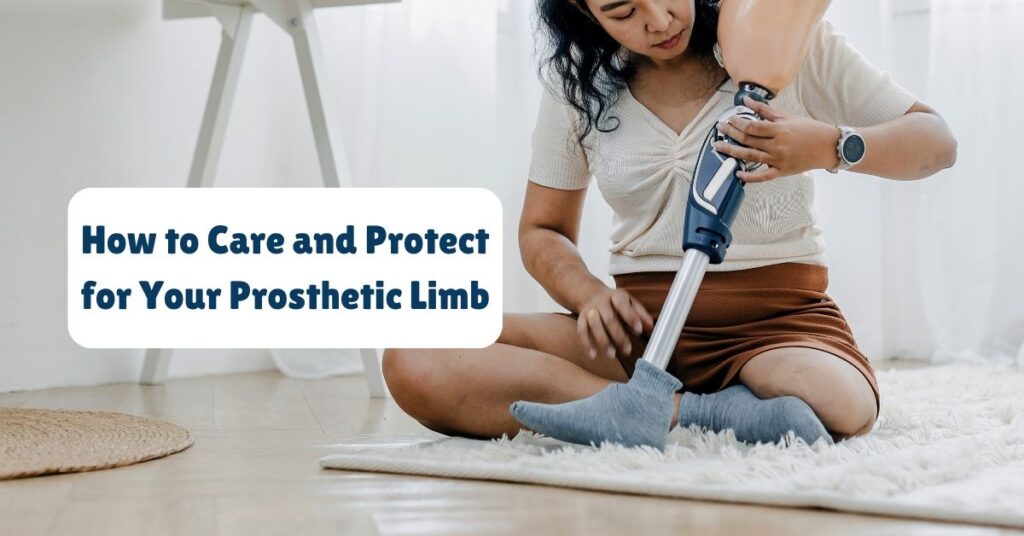
What Is The Difference Between Custom-Made And Prefabricated Orthoses Summary : Choosing an orthosis is not simply about picking a device from a shelf. The right option depends on the body part being supported, the level of correction required, comfort, daily activities, and individual anatomy. This article explains the difference between custom-made and prefabricated orthoses, how they are designed and fitted, where each option may be useful, and how professional assessment can help guide the decision. Orthoses are external devices used to support, align, protect, stabilise, or assist parts of the body. They can be designed for the foot, ankle, knee, spine, hand, wrist, and other areas depending on the user's needs. Some are made specifically for one person, while others are manufactured in standard sizes and supplied ready to use. This is where the difference between custom-made and prefabricated orthoses becomes important. A custom-made orthosis is developed around an individual's anatomy and functional requirements, while a prefabricated orthosis follows a standard design and sizing system. Neither option is automatically suitable for every person. The purpose of the device and the individual's needs should guide the choice. What Are Custom-Made Orthoses? Custom-made orthoses are designed and fabricated for a particular individual. The process generally starts with an assessment of the person's condition, anatomy, movement, functional requirements, and intended use of the device. Depending on the body area and type of orthosis, the practitioner may take measurements, create an impression or cast, or use digital scanning technology. These details are then used to develop an orthosis with the required shape, support, alignment, and control. Customisation can also involve selecting specific materials, joints, straps, padding, or other components. Once the device is produced, it can be checked during fitting and adjusted where necessary to improve comfort and function. Individual Fit And Design One of the main characteristics of a custom-made orthosis is its individual fit. The device is not simply chosen because it matches a standard size. Instead, its dimensions and design are based on the user's anatomy and the clinical purpose of the orthosis. This can be especially useful when a person has unusual anatomy, significant asymmetry, specific pressure-distribution needs, or functional requirements that are difficult to meet with a standard device. Personalised Fabrication Process Custom fabrication usually involves several stages rather than immediate supply. Assessment, design, fabrication, fitting, and follow-up can all form part of the process. This makes it possible to make refinements when required. Cold Weather Care Tips for Prosthetic Wearers Cold weather brings unique challenges for prosthetic wearers, from maintaining comfort to ensuring the prosthetic remains functional and safe. Winter conditions like freezing temperatures, icy paths, and dry air can affect both the residual limb and the prosthetic itself. This guide provides practical tips to help prosthetic wearers stay comfortable, safe, and proactive during the colder months. 1. Keep Your Residual Limb Warm and Protected Cold temperatures can cause the blood vessels in the residual limb to constrict, leading to discomfort, numbness, or reduced circulation. Layer Up Smartly: Wear thermal liners, warm socks, or insulated covers over your residual limb. Materials like fleece or wool can help retain heat. Avoid Prolonged Exposure: Limit time outdoors in freezing weather to prevent frostbite or skin irritation. Use Hand Warmers: Consider placing a safe, gentle heat source, like a hand warmer, near your prosthetic socket (but not in direct contact) to maintain warmth. How to Care and Protect Your Prosthetic Limb Caring for your prosthetic limb is essential for ensuring its longevity and maintaining your comfort and mobility. With proper care, your prosthetic limb can function effectively and help you live an active, fulfilling life. Prosthetic limbs can significantly enhance the quality of life for those who need them, providing increased mobility and independence. However, it's crucial to take good care of your prosthetic limb to ensure it functions well and lasts as long as possible. Here are some simple tips and best practices to help you maintain your prosthetic limb. Daily Limb Care Cleaning Routine Keeping your prosthetic limb clean is crucial for preventing skin irritation and infections. Here’s a simple daily cleaning routine to follow: Clean the Prosthetic Socket: The socket is the part of the prosthetic limb that fits over your residual limb. Clean the inside of the socket every day with a mild soap and warm water. Use a soft cloth or sponge to gently scrub the area, then rinse thoroughly and let it air dry. Wipe Down the Prosthetic Limb: Use a damp cloth to wipe down the rest of the prosthetic limb. This helps remove dirt and sweat that can accumulate throughout the day. Avoid using harsh chemicals or abrasive cleaners, as they can damage the materials. Inspect the Limb for Damage: While cleaning, check for any signs of wear and tear, such as cracks, loose parts, or unusual noises. Early detection of problems can prevent more serious issues down the line. Skin Care Tips Your skin’s health is just as important as the prosthetic limb itself. Here are some tips to keep your skin healthy and comfortable: Wash Your Residual Limb: Wash your residual limb daily with mild soap and water. Make sure to rinse thoroughly and pat dry with a clean towel. Keeping your skin clean helps prevent irritation and infection. Moisturize: Apply a non-greasy, fragrance-free moisturizer to your residual limb to keep the skin soft and supple. Avoid moisturizing right before putting on your prosthetic limb, as it can make the skin too slippery. Check for Skin Issues: Regularly inspect your residual limb for any signs of redness, blisters, or sores. If you notice any skin problems, address them promptly and consult your healthcare provider if needed. Use a Liner or Sock: Most prosthetic limbs come with a liner or sock that provides cushioning and helps protect your skin. Make sure to clean these items daily and replace them as recommended by your prosthetist. Proper Fit and Alignment Ensuring that your prosthetic limb fits properly is vital for comfort and
How to Care and Protect Your Prosthetic Limb
What Is The Difference Between Custom-Made And Prefabricated Orthoses Summary : Choosing an orthosis is not simply about picking a device from a shelf. The right option depends on the body part being supported, the level of correction required, comfort, daily activities, and individual anatomy. This article explains the difference between custom-made and prefabricated orthoses, how they are designed and fitted, where each option may be useful, and how professional assessment can help guide the decision. Orthoses are external devices used to support, align, protect, stabilise, or assist parts of the body. They can be designed for the foot, ankle, knee, spine, hand, wrist, and other areas depending on the user's needs. Some are made specifically for one person, while others are manufactured in standard sizes and supplied ready to use. This is where the difference between custom-made and prefabricated orthoses becomes important. A custom-made orthosis is developed around an individual's anatomy and functional requirements, while a prefabricated orthosis follows a standard design and sizing system. Neither option is automatically suitable for every person. The purpose of the device and the individual's needs should guide the choice. What Are Custom-Made Orthoses? Custom-made orthoses are designed and fabricated for a particular individual. The process generally starts with an assessment of the person's condition, anatomy, movement, functional requirements, and intended use of the device. Depending on the body area and type of orthosis, the practitioner may take measurements, create an impression or cast, or use digital scanning technology. These details are then used to develop an orthosis with the required shape, support, alignment, and control. Customisation can also involve selecting specific materials, joints, straps, padding, or other components. Once the device is produced, it can be checked during fitting and adjusted where necessary to improve comfort and function. Individual Fit And Design One of the main characteristics of a custom-made orthosis is its individual fit. The device is not simply chosen because it matches a standard size. Instead, its dimensions and design are based on the user's anatomy and the clinical purpose of the orthosis. This can be especially useful when a person has unusual anatomy, significant asymmetry, specific pressure-distribution needs, or functional requirements that are difficult to meet with a standard device. Personalised Fabrication Process Custom fabrication usually involves several stages rather than immediate supply. Assessment, design, fabrication, fitting, and follow-up can all form part of the process. This makes it possible to make refinements when required. Cold Weather Care Tips for Prosthetic Wearers Cold weather brings unique challenges for prosthetic wearers, from maintaining comfort to ensuring the prosthetic remains functional and safe. Winter conditions like freezing temperatures, icy paths, and dry air can affect both the residual limb and the prosthetic itself. This guide provides practical tips to help prosthetic wearers stay comfortable, safe, and proactive during the colder months. 1. Keep Your Residual Limb Warm and Protected Cold temperatures can cause the blood vessels in the residual limb to constrict, leading to discomfort, numbness, or reduced circulation. Layer Up Smartly: Wear thermal liners, warm socks, or insulated covers over your residual limb. Materials like fleece or wool can help retain heat. Avoid Prolonged Exposure: Limit time outdoors in freezing weather to prevent frostbite or skin irritation. Use Hand Warmers: Consider placing a safe, gentle heat source, like a hand warmer, near your prosthetic socket (but not in direct contact) to maintain warmth. How to Care and Protect Your Prosthetic Limb Caring for your prosthetic limb is essential for ensuring its longevity and maintaining your comfort and mobility. With proper care, your prosthetic limb can function effectively and help you live an active, fulfilling life. Prosthetic limbs can significantly enhance the quality of life for those who need them, providing increased mobility and independence. However, it's crucial to take good care of your prosthetic limb to ensure it functions well and lasts as long as possible. Here are some simple tips and best practices to help you maintain your prosthetic limb. Daily Limb Care Cleaning Routine Keeping your prosthetic limb clean is crucial for preventing skin irritation and infections. Here’s a simple daily cleaning routine to follow: Clean the Prosthetic Socket: The socket is the part of the prosthetic limb that fits over your residual limb. Clean the inside of the socket every day with a mild soap and warm water. Use a soft cloth or sponge to gently scrub the area, then rinse thoroughly and let it air dry. Wipe Down the Prosthetic Limb: Use a damp cloth to wipe down the rest of the prosthetic limb. This helps remove dirt and sweat that can accumulate throughout the day. Avoid using harsh chemicals or abrasive cleaners, as they can damage the materials. Inspect the Limb for Damage: While cleaning, check for any signs of wear and tear, such as cracks, loose parts, or unusual noises. Early detection of problems can prevent more serious issues down the line. Skin Care Tips Your skin’s health is just as important as the prosthetic limb itself. Here are some tips to keep your skin healthy and comfortable: Wash Your Residual Limb: Wash your residual limb daily with mild soap and water. Make sure to rinse thoroughly and pat dry with a clean towel. Keeping your skin clean helps prevent irritation and infection. Moisturize: Apply a non-greasy, fragrance-free moisturizer to your residual limb to keep the skin soft and supple. Avoid moisturizing right before putting on your prosthetic limb, as it can make the skin too slippery. Check for Skin Issues: Regularly inspect your residual limb for any signs of redness, blisters, or sores. If you notice any skin problems, address them promptly and consult your healthcare provider if needed. Use a Liner or Sock: Most prosthetic limbs come with a liner or sock that provides cushioning and helps protect your skin. Make sure to clean these items daily and replace them as recommended by your prosthetist. Proper Fit and Alignment Ensuring that your prosthetic limb fits properly is vital for comfort and
Orthotics for Diabetics: Preventing Foot Complications
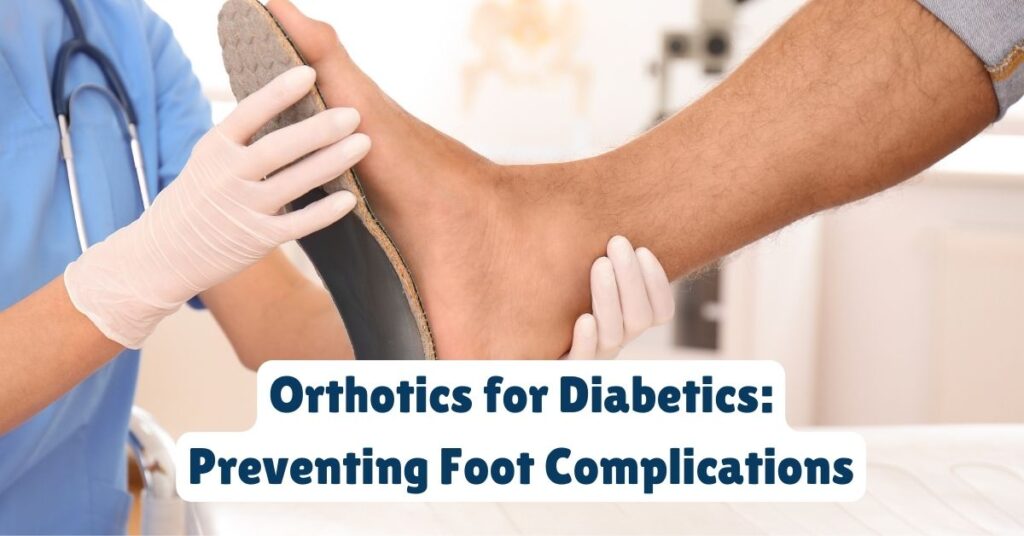
What Is The Difference Between Custom-Made And Prefabricated Orthoses Summary : Choosing an orthosis is not simply about picking a device from a shelf. The right option depends on the body part being supported, the level of correction required, comfort, daily activities, and individual anatomy. This article explains the difference between custom-made and prefabricated orthoses, how they are designed and fitted, where each option may be useful, and how professional assessment can help guide the decision. Orthoses are external devices used to support, align, protect, stabilise, or assist parts of the body. They can be designed for the foot, ankle, knee, spine, hand, wrist, and other areas depending on the user's needs. Some are made specifically for one person, while others are manufactured in standard sizes and supplied ready to use. This is where the difference between custom-made and prefabricated orthoses becomes important. A custom-made orthosis is developed around an individual's anatomy and functional requirements, while a prefabricated orthosis follows a standard design and sizing system. Neither option is automatically suitable for every person. The purpose of the device and the individual's needs should guide the choice. What Are Custom-Made Orthoses? Custom-made orthoses are designed and fabricated for a particular individual. The process generally starts with an assessment of the person's condition, anatomy, movement, functional requirements, and intended use of the device. Depending on the body area and type of orthosis, the practitioner may take measurements, create an impression or cast, or use digital scanning technology. These details are then used to develop an orthosis with the required shape, support, alignment, and control. Customisation can also involve selecting specific materials, joints, straps, padding, or other components. Once the device is produced, it can be checked during fitting and adjusted where necessary to improve comfort and function. Individual Fit And Design One of the main characteristics of a custom-made orthosis is its individual fit. The device is not simply chosen because it matches a standard size. Instead, its dimensions and design are based on the user's anatomy and the clinical purpose of the orthosis. This can be especially useful when a person has unusual anatomy, significant asymmetry, specific pressure-distribution needs, or functional requirements that are difficult to meet with a standard device. Personalised Fabrication Process Custom fabrication usually involves several stages rather than immediate supply. Assessment, design, fabrication, fitting, and follow-up can all form part of the process. This makes it possible to make refinements when required. Cold Weather Care Tips for Prosthetic Wearers Cold weather brings unique challenges for prosthetic wearers, from maintaining comfort to ensuring the prosthetic remains functional and safe. Winter conditions like freezing temperatures, icy paths, and dry air can affect both the residual limb and the prosthetic itself. This guide provides practical tips to help prosthetic wearers stay comfortable, safe, and proactive during the colder months. 1. Keep Your Residual Limb Warm and Protected Cold temperatures can cause the blood vessels in the residual limb to constrict, leading to discomfort, numbness, or reduced circulation. Layer Up Smartly: Wear thermal liners, warm socks, or insulated covers over your residual limb. Materials like fleece or wool can help retain heat. Avoid Prolonged Exposure: Limit time outdoors in freezing weather to prevent frostbite or skin irritation. Use Hand Warmers: Consider placing a safe, gentle heat source, like a hand warmer, near your prosthetic socket (but not in direct contact) to maintain warmth. Orthotics for Diabetics: Preventing Foot Complications Diabetes can make your feet more vulnerable to problems. For people with diabetes, this shield is not just a dream—it's a reality that can be achieved with orthotics. Diabetes can make your feet more vulnerable to problems, but the right orthotics can offer comfort, support, and protection. If you have diabetes, it's important to take extra care of your feet. One way to do this is by using orthotics. Orthotics are special shoe inserts designed to support and protect your feet. Let's explore how they can help prevent foot complications in diabetics. What is Orthotics and for What It Is Use? Orthotics are specially designed shoe inserts that provide support and cushioning for your feet. They can be custom-made to fit the unique shape of your feet or pre-fabricated to offer general support. Orthotics help distribute pressure evenly across your feet, improve foot alignment, and enhance comfort, making them particularly beneficial for people with foot problems or conditions like diabetes. By providing extra support and reducing stress on certain areas, orthotics can help prevent injuries, relieve pain, and improve overall foot function. Why Are Diabetic Feet at Risk? People with diabetes often have two main problems that can affect their feet: Nerve Damage (Neuropathy): Diabetes can cause nerve damage, leading to a loss of sensation in the feet. This means you might not feel pain from cuts, blisters, or sores, which can become serious if not treated. Poor Circulation: Diabetes can also reduce blood flow to the feet, making it harder for wounds to heal and increasing the risk of infections. These issues can lead to serious complications, including foot ulcers and, in severe cases, amputation. How Do Orthotics Help? Orthotics can play a crucial role in preventing foot problems for diabetics by providing: Pressure Relief: They distribute weight evenly across your feet, reducing pressure on high-risk areas that are prone to ulcers and sores. Cushioning: Orthotics offer extra cushioning, protecting your feet from hard surfaces and reducing the risk of injuries. Support: They support the arches of your feet, improving stability and balance, which can help prevent falls and other injuries. Improved Alignment: Orthotics can correct foot misalignments, which can help prevent calluses, corns, and other issues caused by uneven weight distribution. Choosing the Right Orthotics It's essential to get the right type of orthotics to protect your feet effectively. Here are some tips for choosing the best orthotics for diabetics: Consult a Specialist: Talk to a podiatrist (foot doctor) who can recommend the best orthotics based on your specific needs. Custom-Made Orthotics: These are specially designed to fit
Understanding Artificial Limbs: A Complete Guide to Prosthetics
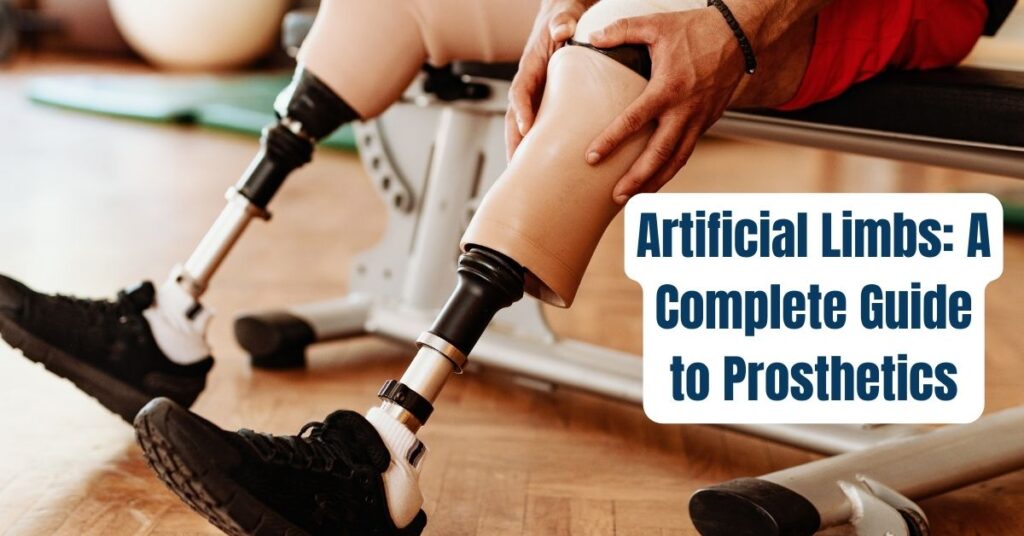
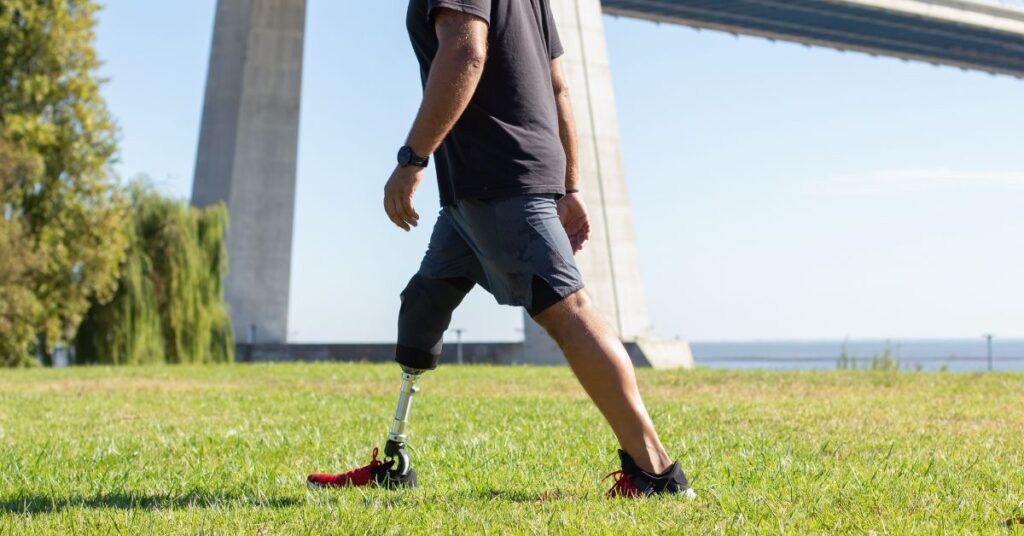
Summary : Choosing an orthosis is not simply about picking a device from a shelf. The right option depends on the body part being supported, the level of correction required, comfort, daily activities, and individual anatomy. This article explains the difference between custom-made and prefabricated orthoses, how they are designed and fitted, where each option may be useful, and how professional assessment can help guide the decision. Orthoses are external devices used to support, align, protect, stabilise, or assist parts of the body. They can be designed for the foot, ankle, knee, spine, hand, wrist, and other areas depending on the user’s needs. Some are made specifically for one person, while others are manufactured in standard sizes and supplied ready to use. This is where the difference between custom-made and prefabricated orthoses becomes important. A custom-made orthosis is developed around an individual’s anatomy and functional requirements, while a prefabricated orthosis follows a standard design and sizing system. Neither option is automatically suitable for every person. The purpose of the device and the individual’s needs should guide the choice. What Are Custom-Made Orthoses? Custom-made orthoses are designed and fabricated for a particular individual. The process generally starts with an assessment of the person’s condition, anatomy, movement, functional requirements, and intended use of the device. Depending on the body area and type of orthosis, the practitioner may take measurements, create an impression or cast, or use digital scanning technology. These details are then used to develop an orthosis with the required shape, support, alignment, and control. Customisation can also involve selecting specific materials, joints, straps, padding, or other components. Once the device is produced, it can be checked during fitting and adjusted where necessary to improve comfort and function. Individual Fit And Design One of the main characteristics of a custom-made orthosis is its individual fit. The device is not simply chosen because it matches a standard size. Instead, its dimensions and design are based on the user’s anatomy and the clinical purpose of the orthosis. This can be especially useful when a person has unusual anatomy, significant asymmetry, specific pressure-distribution needs, or functional requirements that are difficult to meet with a standard device. Personalised Fabrication Process Custom fabrication usually involves several stages rather than immediate supply. Assessment, design, fabrication, fitting, and follow-up can all form part of the process. This makes it possible to make refinements when required. Cold Weather Care Tips for Prosthetic Wearers Cold weather brings unique challenges for prosthetic wearers, from maintaining comfort to ensuring the prosthetic remains functional and safe. Winter conditions like freezing temperatures, icy paths, and dry air can affect both the residual limb and the prosthetic itself. This guide provides practical tips to help prosthetic wearers stay comfortable, safe, and proactive during the colder months. 1. Keep Your Residual Limb Warm and Protected Cold temperatures can cause the blood vessels in the residual limb to constrict, leading to discomfort, numbness, or reduced circulation. Understanding Artificial Limbs: A Complete Guide to Prosthetics An artificial limb, also known as a prosthetic limb, is a device designed to replace a missing or amputated limb. These prosthetics can substitute for arms, hands, legs, or feet, and they help individuals regain functionality and improve their quality of life. Modern artificial limbs are often customized to fit the individual’s specific needs and can be controlled through various mechanisms, including mechanical, electrical, or even neural interfaces. The primary goal of an artificial limb is to restore as much natural movement and functionality as possible, enabling users to perform daily activities with greater ease and confidence. What Are the Different Types of Prosthetics? There are many types of prosthetics devices to help people regain mobility. They fall into four main categories: transradial, transhumeral, transtibial, and transfemoral. Each serves a different function depending on what body part is missing. Transradial Prosthetics: These are designed for individuals missing a part of their arm below the elbow. Transhumeral Prosthetics: These are for those who have lost their arm above the elbow. Transtibial Prosthetics: These are used for individuals who have had an amputation below the knee. Transfemoral Prosthetics: These are designed for those who have lost their leg above the knee. Each type of prosthetic is tailored to provide the best possible functionality and support for the specific area of the body it is meant to replace. What are the Latest Advancements in Prosthetic Technology? Prosthetic technology has made significant advancements in recent years. Some of the latest innovations include: Top 10 Prosthetics Manufacturing Companies in India 2026 What is the Most Common Artificial Limb (Prostheses)? The most common artificial limb is a body-powered prosthetic, particularly used as a transtibial prosthesis, which replaces the lower leg and foot for individuals with amputations below the knee. These prosthetics are widely utilized due to their simplicity, reliability, and effectiveness in restoring basic mobility. Components of a Body-Powered Transtibial Prosthetic Socket: The socket is the part of the prosthetic that fits snugly around the residual limb. It is custom-made to ensure a comfortable and secure fit, which is crucial for effective weight distribution and preventing skin irritation or injury. Pylon: The pylon is the connecting structure between the socket and the prosthetic foot. It serves as the skeleton of the prosthetic limb, providing necessary support and stability. Pylons are typically made from lightweight, durable materials such as aluminum, titanium, or carbon fiber to facilitate ease of movement. Prosthetic Foot: The prosthetic foot is designed to mimic the function of a natural foot, allowing for activities like walking, running, and standing. There are various types of prosthetic feet available, ranging from basic models to more advanced designs with features such as shock absorption and energy return to enhance mobility. How Body-Powered Prosthetics Work Body-powered prosthetics are mechanically operated by the user’s own muscle movements. In the case of transtibial prosthetics, the user controls the limb by moving their residual limb within the socket. This movement is transmitted through the pylon to the prosthetic foot, enabling natural-like motion and
How To Choose Transradial Prosthesis: What You Need to Know
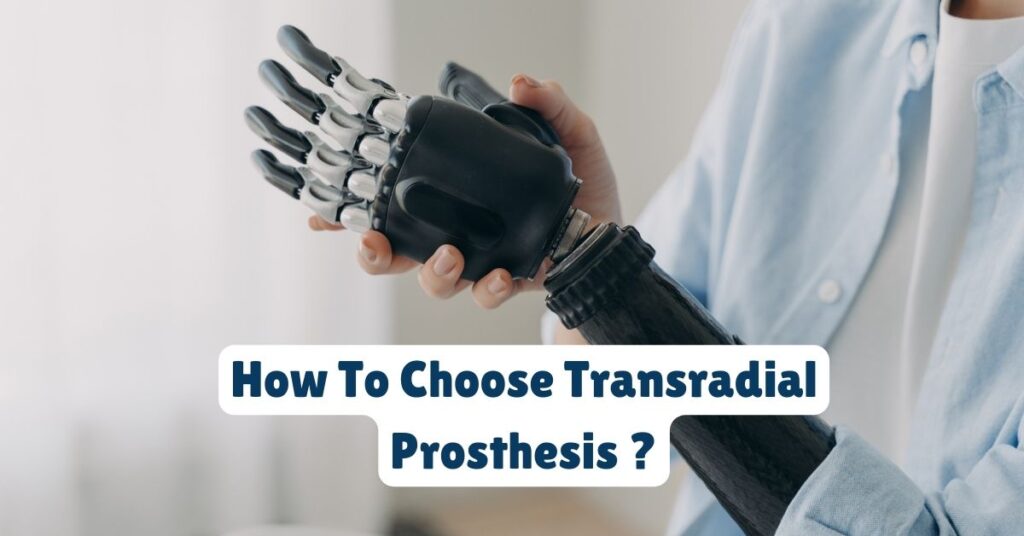
What Is The Difference Between Custom-Made And Prefabricated Orthoses Summary : Choosing an orthosis is not simply about picking a device from a shelf. The right option depends on the body part being supported, the level of correction required, comfort, daily activities, and individual anatomy. This article explains the difference between custom-made and prefabricated orthoses, how they are designed and fitted, where each option may be useful, and how professional assessment can help guide the decision. Orthoses are external devices used to support, align, protect, stabilise, or assist parts of the body. They can be designed for the foot, ankle, knee, spine, hand, wrist, and other areas depending on the user's needs. Some are made specifically for one person, while others are manufactured in standard sizes and supplied ready to use. This is where the difference between custom-made and prefabricated orthoses becomes important. A custom-made orthosis is developed around an individual's anatomy and functional requirements, while a prefabricated orthosis follows a standard design and sizing system. Neither option is automatically suitable for every person. The purpose of the device and the individual's needs should guide the choice. What Are Custom-Made Orthoses? Custom-made orthoses are designed and fabricated for a particular individual. The process generally starts with an assessment of the person's condition, anatomy, movement, functional requirements, and intended use of the device. Depending on the body area and type of orthosis, the practitioner may take measurements, create an impression or cast, or use digital scanning technology. These details are then used to develop an orthosis with the required shape, support, alignment, and control. Customisation can also involve selecting specific materials, joints, straps, padding, or other components. Once the device is produced, it can be checked during fitting and adjusted where necessary to improve comfort and function. Individual Fit And Design One of the main characteristics of a custom-made orthosis is its individual fit. The device is not simply chosen because it matches a standard size. Instead, its dimensions and design are based on the user's anatomy and the clinical purpose of the orthosis. This can be especially useful when a person has unusual anatomy, significant asymmetry, specific pressure-distribution needs, or functional requirements that are difficult to meet with a standard device. Personalised Fabrication Process Custom fabrication usually involves several stages rather than immediate supply. Assessment, design, fabrication, fitting, and follow-up can all form part of the process. This makes it possible to make refinements when required. Cold Weather Care Tips for Prosthetic Wearers Cold weather brings unique challenges for prosthetic wearers, from maintaining comfort to ensuring the prosthetic remains functional and safe. Winter conditions like freezing temperatures, icy paths, and dry air can affect both the residual limb and the prosthetic itself. This guide provides practical tips to help prosthetic wearers stay comfortable, safe, and proactive during the colder months. 1. Keep Your Residual Limb Warm and Protected Cold temperatures can cause the blood vessels in the residual limb to constrict, leading to discomfort, numbness, or reduced circulation. Layer Up Smartly: Wear thermal liners, warm socks, or insulated covers over your residual limb. Materials like fleece or wool can help retain heat. Avoid Prolonged Exposure: Limit time outdoors in freezing weather to prevent frostbite or skin irritation. Use Hand Warmers: Consider placing a safe, gentle heat source, like a hand warmer, near your prosthetic socket (but not in direct contact) to maintain warmth. How To Choose Transradial Prosthesis: What You Need to Know The selecting a transradial prosthesis is a significant step for individuals who have undergone upper limb amputation. This decision holds the power to greatly influence their daily activities, mobility, and overall quality of life. With numerous options available in the market, it's crucial to have a comprehensive understanding of what factors to consider to make an informed decision. What Is a Transradial Prosthesis? A transradial prosthesis is an artificial limb designed for individuals who have had an amputation transradial prosthesis (below the elbow). It replaces the missing part of the forearm and hand, allowing users to perform everyday tasks. This type of prosthesis typically consists of a socket that fits over the remaining part of the arm, a wrist unit, and a terminal device, such as a hand or hook. Advanced models may incorporate myoelectric control, using muscle signals to operate the prosthesis. Transradial prosthesis improves mobility, functionality, and independence for amputees, enhancing their quality of life. What Are Different Types of Prosthesis? There are different types of prosthesis, each suited to different needs and preferences. The main types include: A] Transtibial Prosthesis (Below Knee Leg) A transtibial prosthesis is designed for individuals who have had an amputation below the knee. This type of prosthesis attaches to the residual limb using a socket that fits snugly around the stump. It typically includes a pylon, which is a supportive structure, and a prosthetic foot. The main advantage of a transtibial prosthesis is that it allows for a high degree of mobility and functionality because the knee joint is preserved. Users can often walk, run, and perform various activities with proper rehabilitation and physical therapy. B] Transfemoral Prosthesis (Above Knee Leg) A transfemoral prosthesis is used for individuals who have had an amputation above the knee. This type of prosthesis is more complex than a transtibial prosthesis because it must replace both the knee and the lower leg. It consists of a socket, pylon, knee joint, and prosthetic foot. The knee joint can be mechanical, providing different levels of control and stability. While it can be more challenging to adapt to a transfemoral prosthesis, advancements in technology have significantly improved the functionality, allowing users to walk, ascend stairs, and engage in other daily activities. C] Transradial Prosthesis (Below Elbow Hand) As mentioned earlier transradial prosthesis is designed for individuals who have had an amputation below the elbow. This type of prosthesis replaces the forearm and hand. It includes a socket that fits over the residual limb and a terminal device that functions as the hand. Terminal devices can
How to Take Care and Clean a Prosthetic Socket?
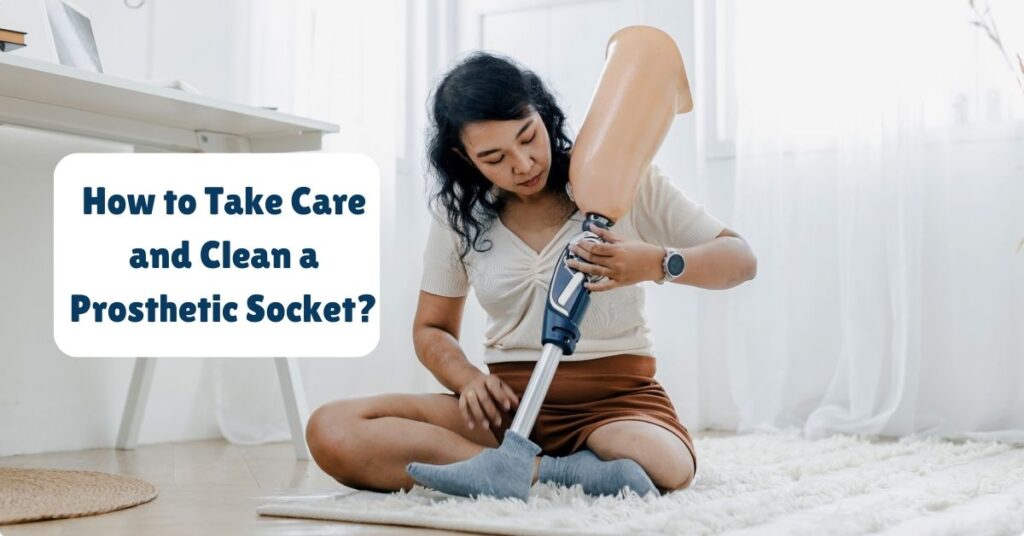
What Is The Difference Between Custom-Made And Prefabricated Orthoses Summary : Choosing an orthosis is not simply about picking a device from a shelf. The right option depends on the body part being supported, the level of correction required, comfort, daily activities, and individual anatomy. This article explains the difference between custom-made and prefabricated orthoses, how they are designed and fitted, where each option may be useful, and how professional assessment can help guide the decision. Orthoses are external devices used to support, align, protect, stabilise, or assist parts of the body. They can be designed for the foot, ankle, knee, spine, hand, wrist, and other areas depending on the user's needs. Some are made specifically for one person, while others are manufactured in standard sizes and supplied ready to use. This is where the difference between custom-made and prefabricated orthoses becomes important. A custom-made orthosis is developed around an individual's anatomy and functional requirements, while a prefabricated orthosis follows a standard design and sizing system. Neither option is automatically suitable for every person. The purpose of the device and the individual's needs should guide the choice. What Are Custom-Made Orthoses? Custom-made orthoses are designed and fabricated for a particular individual. The process generally starts with an assessment of the person's condition, anatomy, movement, functional requirements, and intended use of the device. Depending on the body area and type of orthosis, the practitioner may take measurements, create an impression or cast, or use digital scanning technology. These details are then used to develop an orthosis with the required shape, support, alignment, and control. Customisation can also involve selecting specific materials, joints, straps, padding, or other components. Once the device is produced, it can be checked during fitting and adjusted where necessary to improve comfort and function. Individual Fit And Design One of the main characteristics of a custom-made orthosis is its individual fit. The device is not simply chosen because it matches a standard size. Instead, its dimensions and design are based on the user's anatomy and the clinical purpose of the orthosis. This can be especially useful when a person has unusual anatomy, significant asymmetry, specific pressure-distribution needs, or functional requirements that are difficult to meet with a standard device. Personalised Fabrication Process Custom fabrication usually involves several stages rather than immediate supply. Assessment, design, fabrication, fitting, and follow-up can all form part of the process. This makes it possible to make refinements when required. Cold Weather Care Tips for Prosthetic Wearers Cold weather brings unique challenges for prosthetic wearers, from maintaining comfort to ensuring the prosthetic remains functional and safe. Winter conditions like freezing temperatures, icy paths, and dry air can affect both the residual limb and the prosthetic itself. This guide provides practical tips to help prosthetic wearers stay comfortable, safe, and proactive during the colder months. 1. Keep Your Residual Limb Warm and Protected Cold temperatures can cause the blood vessels in the residual limb to constrict, leading to discomfort, numbness, or reduced circulation. Layer Up Smartly: Wear thermal liners, warm socks, or insulated covers over your residual limb. Materials like fleece or wool can help retain heat. Avoid Prolonged Exposure: Limit time outdoors in freezing weather to prevent frostbite or skin irritation. Use Hand Warmers: Consider placing a safe, gentle heat source, like a hand warmer, near your prosthetic socket (but not in direct contact) to maintain warmth. How to Take Care and Clean a Prosthetic Socket? Living with a prosthetic limb is a journey that requires not just adaptation but also care and maintenance to ensure the longevity and functionality of the prosthetic device. A key component of any prosthetic limb is the prosthetic socket, which as the interface between the residual limb and the prosthetic device.we will explore the significance of cleaning and caring for your prosthetic socket, the necessary materials and tools for maintenance, and step-by-step instructions on how to clean both the interior and exterior of your prosthetic socket. What Is A Prosthetic Socket? A prosthetic socket is a custom-made component of a prosthetic limb that fits over the residual limb of an amputee. It is designed to provide comfort, support, and stability while allowing the individual to perform daily activities with ease. The prosthetic socket acts as a crucial link between the residual limb and the prosthetic device, facilitating mobility and enhancing the quality of life for amputees. Why Is It Important To Clean Your Prosthetic Socket Regularly? Regular cleaning of your prosthetic socket is crucial for maintaining your overall health and the functionality of your prosthetic limb. Here are some key reasons why it is important to clean your prosthetic socket regularly: 1. Preventing Infections A clean prosthetic socket helps reduce the risk of skin infections and irritations. Bacteria, sweat, and dirt can accumulate within the socket, creating a breeding ground for harmful microorganisms that can lead to skin issues. Regular cleaning helps keep the socket free from contaminants, reducing the chances of infection. 2. Maintaining Hygiene Proper hygiene is essential for preventing unpleasant odors and skin conditions. Regular cleaning of the prosthetic socket removes sweat, dead skin cells, and other residues that can cause odor and discomfort. By keeping the socket clean, you promote a hygienic environment that supports healthy skin and overall well-being. 3. Enhancing Comfort A clean prosthetic socket contributes to your comfort and mobility. Residues and debris within the socket can cause friction, friction, and discomfort while wearing the prosthetic limb. By cleaning the socket regularly, you ensure a smooth and comfortable fit, allowing you to move freely without irritation or pain. 4. Prolonging Prosthetic Lifespan Proper care and maintenance, including regular cleaning, can extend the lifespan of your prosthetic limb. Cleanliness helps prevent premature wear and tear on the socket and other components of the prosthetic device. By keeping the socket clean and well-maintained, you can maximize the durability and functionality of your prosthetic limb, reducing the need for costly repairs or replacements. 5. Improving Overall Well-being Maintaining a clean prosthetic socket only