Transhumeral Prosthesis (Above The Elbow): Everything You Need To Know
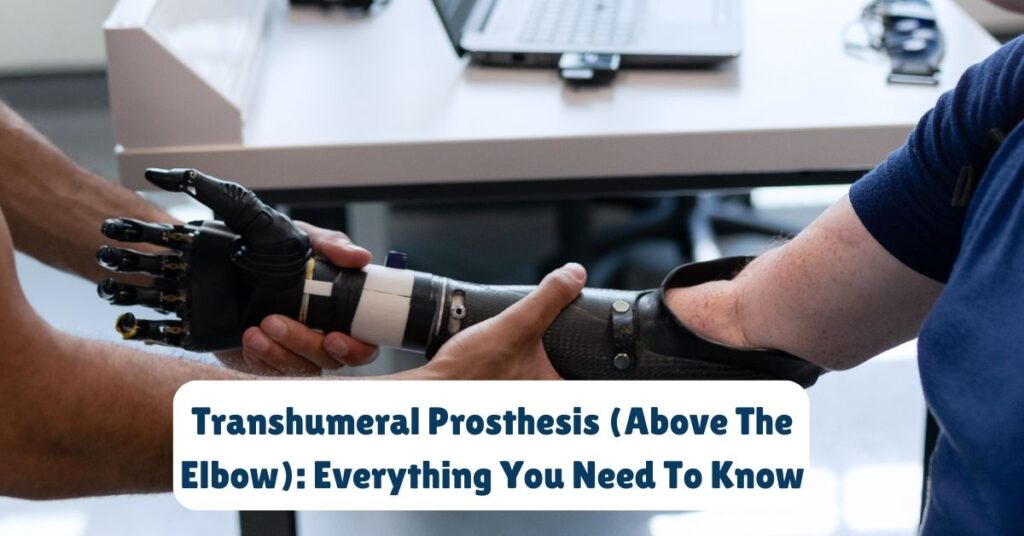
What Is The Difference Between Custom-Made And Prefabricated Orthoses Summary : Choosing an orthosis is not simply about picking a device from a shelf. The right option depends on the body part being supported, the level of correction required, comfort, daily activities, and individual anatomy. This article explains the difference between custom-made and prefabricated orthoses, how they are designed and fitted, where each option may be useful, and how professional assessment can help guide the decision. Orthoses are external devices used to support, align, protect, stabilise, or assist parts of the body. They can be designed for the foot, ankle, knee, spine, hand, wrist, and other areas depending on the user's needs. Some are made specifically for one person, while others are manufactured in standard sizes and supplied ready to use. This is where the difference between custom-made and prefabricated orthoses becomes important. A custom-made orthosis is developed around an individual's anatomy and functional requirements, while a prefabricated orthosis follows a standard design and sizing system. Neither option is automatically suitable for every person. The purpose of the device and the individual's needs should guide the choice. What Are Custom-Made Orthoses? Custom-made orthoses are designed and fabricated for a particular individual. The process generally starts with an assessment of the person's condition, anatomy, movement, functional requirements, and intended use of the device. Depending on the body area and type of orthosis, the practitioner may take measurements, create an impression or cast, or use digital scanning technology. These details are then used to develop an orthosis with the required shape, support, alignment, and control. Customisation can also involve selecting specific materials, joints, straps, padding, or other components. Once the device is produced, it can be checked during fitting and adjusted where necessary to improve comfort and function. Individual Fit And Design One of the main characteristics of a custom-made orthosis is its individual fit. The device is not simply chosen because it matches a standard size. Instead, its dimensions and design are based on the user's anatomy and the clinical purpose of the orthosis. This can be especially useful when a person has unusual anatomy, significant asymmetry, specific pressure-distribution needs, or functional requirements that are difficult to meet with a standard device. Personalised Fabrication Process Custom fabrication usually involves several stages rather than immediate supply. Assessment, design, fabrication, fitting, and follow-up can all form part of the process. This makes it possible to make refinements when required. Cold Weather Care Tips for Prosthetic Wearers Cold weather brings unique challenges for prosthetic wearers, from maintaining comfort to ensuring the prosthetic remains functional and safe. Winter conditions like freezing temperatures, icy paths, and dry air can affect both the residual limb and the prosthetic itself. This guide provides practical tips to help prosthetic wearers stay comfortable, safe, and proactive during the colder months. 1. Keep Your Residual Limb Warm and Protected Cold temperatures can cause the blood vessels in the residual limb to constrict, leading to discomfort, numbness, or reduced circulation. Layer Up Smartly: Wear thermal liners, warm socks, or insulated covers over your residual limb. Materials like fleece or wool can help retain heat. Avoid Prolonged Exposure: Limit time outdoors in freezing weather to prevent frostbite or skin irritation. Use Hand Warmers: Consider placing a safe, gentle heat source, like a hand warmer, near your prosthetic socket (but not in direct contact) to maintain warmth. Transhumeral Prosthesis (Above The Elbow): Everything You Need To Know A transhumeral prosthesis, or above-the-elbow prosthesis, is a type of artificial limb designed to replace an arm lost above the elbow. These advanced devices allow individuals to regain the ability to perform everyday tasks and live active, fulfilling lives. In this guide, we'll explore everything you need to know about transhumeral prosthesis, including their components, how they work, the fitting process, and tips for choosing the right one for your needs. Whether you're considering a prosthesis for yourself or a loved one, this information will help you make an informed decision and better understand this life-changing technology. What Is Transhumeral Prosthesis? A transhumeral prosthesis is a sophisticated artificial limb designed for individuals who have undergone an amputation above the elbow. This type of prosthesis extends from the upper arm to the hand and is engineered to replicate the function and appearance of a natural arm. Comprising advanced components like a socket, elbow joint, and terminal device (hand or hook), the transhumeral prosthesis enables a range of movements, including bending and rotating the elbow, as well as grasping objects. These prostheses are often customized to fit the unique needs of each user, ensuring optimal comfort and functionality. The use of durable materials and cutting-edge technology helps users regain independence, perform daily tasks, and maintain an active lifestyle, significantly enhancing their quality of life. What Are The Main Components of Transhumeral Prosthesis? A transhumeral prosthesis consists of several essential components that work together to mimic the functionality of a natural arm. These main components include: 1. Socket The socket is custom-molded to the individual's residual limb to ensure a secure and comfortable fit. It serves as the primary interface between the user's arm and the prosthesis, distributing weight and pressure evenly. A well-fitting socket is crucial for comfort, functionality, and preventing skin irritation or injury. 2. Elbow Joint The elbow joint in a transhumeral prosthesis allows for bending and extending the arm, replicating the natural movement of a human elbow. Advanced elbow joints can include locking mechanisms for stability and may be powered or mechanically controlled to provide a range of motion that supports various daily activities. 3. Suspension System The suspension system, often consisting of straps, harnesses, or liners, secures the prosthesis to the user's body. It ensures that the prosthesis remains in place during movement, providing stability and control. A well-designed suspension system is essential for maintaining proper alignment and enhancing the overall functionality of the prosthesis. 4. Forearm Section The forearm section connects the elbow joint to the terminal device, acting as the intermediary segment
How Do Prosthetic Arms Work?
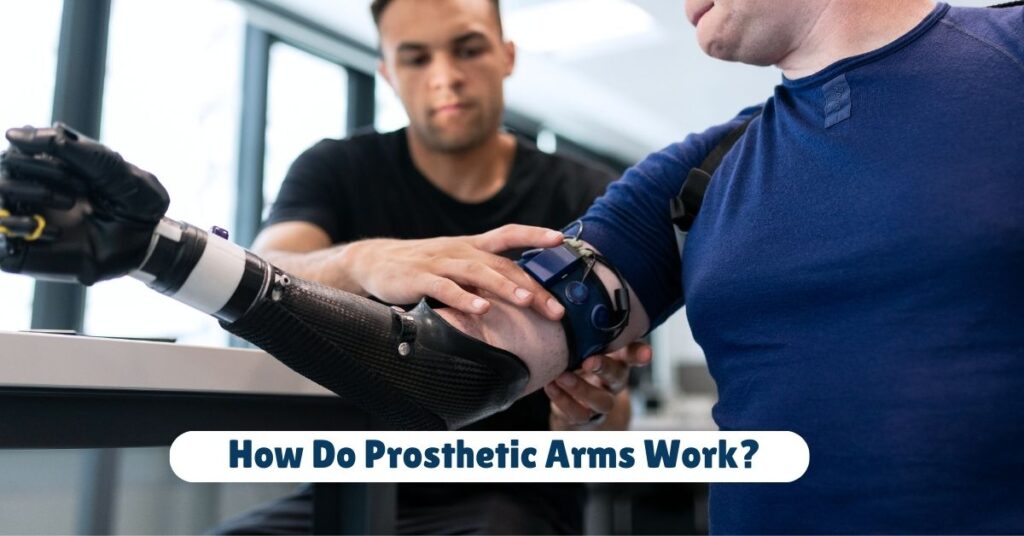
What Is The Difference Between Custom-Made And Prefabricated Orthoses Summary : Choosing an orthosis is not simply about picking a device from a shelf. The right option depends on the body part being supported, the level of correction required, comfort, daily activities, and individual anatomy. This article explains the difference between custom-made and prefabricated orthoses, how they are designed and fitted, where each option may be useful, and how professional assessment can help guide the decision. Orthoses are external devices used to support, align, protect, stabilise, or assist parts of the body. They can be designed for the foot, ankle, knee, spine, hand, wrist, and other areas depending on the user's needs. Some are made specifically for one person, while others are manufactured in standard sizes and supplied ready to use. This is where the difference between custom-made and prefabricated orthoses becomes important. A custom-made orthosis is developed around an individual's anatomy and functional requirements, while a prefabricated orthosis follows a standard design and sizing system. Neither option is automatically suitable for every person. The purpose of the device and the individual's needs should guide the choice. What Are Custom-Made Orthoses? Custom-made orthoses are designed and fabricated for a particular individual. The process generally starts with an assessment of the person's condition, anatomy, movement, functional requirements, and intended use of the device. Depending on the body area and type of orthosis, the practitioner may take measurements, create an impression or cast, or use digital scanning technology. These details are then used to develop an orthosis with the required shape, support, alignment, and control. Customisation can also involve selecting specific materials, joints, straps, padding, or other components. Once the device is produced, it can be checked during fitting and adjusted where necessary to improve comfort and function. Individual Fit And Design One of the main characteristics of a custom-made orthosis is its individual fit. The device is not simply chosen because it matches a standard size. Instead, its dimensions and design are based on the user's anatomy and the clinical purpose of the orthosis. This can be especially useful when a person has unusual anatomy, significant asymmetry, specific pressure-distribution needs, or functional requirements that are difficult to meet with a standard device. Personalised Fabrication Process Custom fabrication usually involves several stages rather than immediate supply. Assessment, design, fabrication, fitting, and follow-up can all form part of the process. This makes it possible to make refinements when required. Cold Weather Care Tips for Prosthetic Wearers Cold weather brings unique challenges for prosthetic wearers, from maintaining comfort to ensuring the prosthetic remains functional and safe. Winter conditions like freezing temperatures, icy paths, and dry air can affect both the residual limb and the prosthetic itself. This guide provides practical tips to help prosthetic wearers stay comfortable, safe, and proactive during the colder months. 1. Keep Your Residual Limb Warm and Protected Cold temperatures can cause the blood vessels in the residual limb to constrict, leading to discomfort, numbness, or reduced circulation. Layer Up Smartly: Wear thermal liners, warm socks, or insulated covers over your residual limb. Materials like fleece or wool can help retain heat. Avoid Prolonged Exposure: Limit time outdoors in freezing weather to prevent frostbite or skin irritation. Use Hand Warmers: Consider placing a safe, gentle heat source, like a hand warmer, near your prosthetic socket (but not in direct contact) to maintain warmth. How Do Prosthetic Arms Work? Prosthetic arms are incredible devices that help people who have lost their arms regain some of their lost functions and improve their daily lives. These artificial arms come in various types, from basic models that look like real arms to advanced ones that can perform complex tasks. Understanding how prosthetic arms work involves exploring the different types available, the components that make them up, and the technology behind them What Is a Prosthetic Arm? A prosthetic arm is an artificial limb designed to replace an arm or hand that has been lost due to injury, disease, or disability. These artificial arms help individuals regain some of the functions they lost, allowing them to perform everyday tasks more easily. Prosthetic arms are made up of several components, including artificial joints, motors, and sometimes sensors or electrodes that allow the user to control the arm's movements and receive feedback from the limb. They can be used for a variety of activities such as typing, cooking, playing sports, and even playing musical instruments. What are the Components of a Prosthetic Arm? Prosthetic arms are composed of several key components, each playing a vital role in their functionality: Socket: – The socket is the part of the prosthetic that fits over the residual limb (the part of the limb that remains after amputation). It must be custom-made to ensure a comfortable and secure fit. The socket is important for transferring the movements and forces from the residual limb to the prosthetic arm. Suspension System: – This system keeps the prosthetic arm attached to the body. Various methods are used, such as straps, suction, or liners that create a vacuum seal. A well-fitted suspension system ensures the prosthetic stays in place during movement. Control Mechanism: – The control mechanism varies depending on the type of prosthetic. In body-powered prosthetics, it includes cables and harnesses. In myoelectric prosthetics, it involves sensors and electrodes that pick up muscle signals. Joints: – Prosthetic arms have joints that mimic the elbow and wrist movements of a natural arm. These joints can be mechanical, hydraulic, or electrically powered. Advanced prosthetics may include motors and actuators that provide smoother and more natural movements. Terminal Device: – The terminal device is the end part of the prosthetic, which can be a hand, hook, or specialized tool. The design of the terminal device determines the range of tasks the user can perform. Myoelectric hands, for instance, can have multiple grips and motions, while hooks are more suited for heavy-duty tasks. What Are the Different Amputation Levels for an Upper Extremity? Amputations of the upper
Understanding Orthopedic Implants: Types, Uses, and Advances
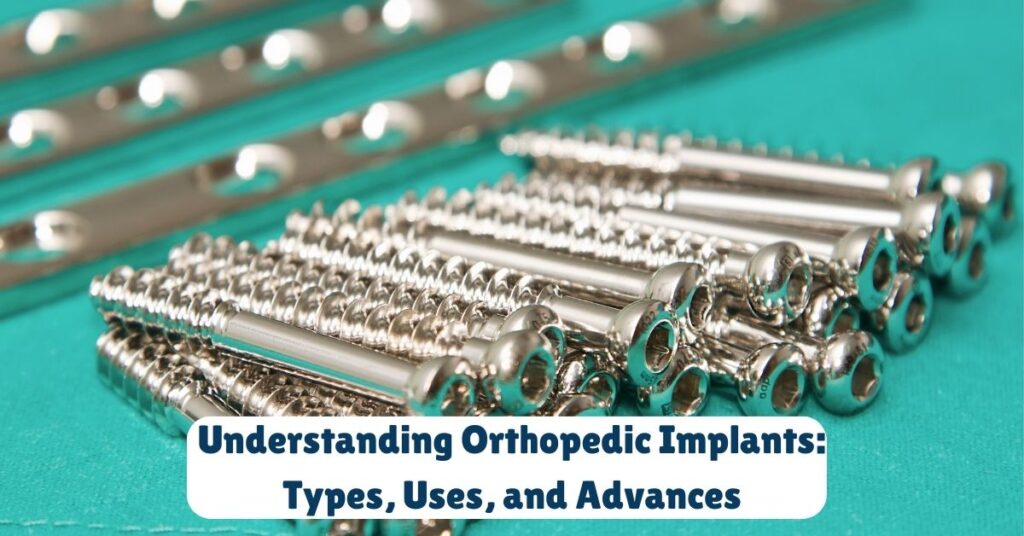
What Is The Difference Between Custom-Made And Prefabricated Orthoses Summary : Choosing an orthosis is not simply about picking a device from a shelf. The right option depends on the body part being supported, the level of correction required, comfort, daily activities, and individual anatomy. This article explains the difference between custom-made and prefabricated orthoses, how they are designed and fitted, where each option may be useful, and how professional assessment can help guide the decision. Orthoses are external devices used to support, align, protect, stabilise, or assist parts of the body. They can be designed for the foot, ankle, knee, spine, hand, wrist, and other areas depending on the user's needs. Some are made specifically for one person, while others are manufactured in standard sizes and supplied ready to use. This is where the difference between custom-made and prefabricated orthoses becomes important. A custom-made orthosis is developed around an individual's anatomy and functional requirements, while a prefabricated orthosis follows a standard design and sizing system. Neither option is automatically suitable for every person. The purpose of the device and the individual's needs should guide the choice. What Are Custom-Made Orthoses? Custom-made orthoses are designed and fabricated for a particular individual. The process generally starts with an assessment of the person's condition, anatomy, movement, functional requirements, and intended use of the device. Depending on the body area and type of orthosis, the practitioner may take measurements, create an impression or cast, or use digital scanning technology. These details are then used to develop an orthosis with the required shape, support, alignment, and control. Customisation can also involve selecting specific materials, joints, straps, padding, or other components. Once the device is produced, it can be checked during fitting and adjusted where necessary to improve comfort and function. Individual Fit And Design One of the main characteristics of a custom-made orthosis is its individual fit. The device is not simply chosen because it matches a standard size. Instead, its dimensions and design are based on the user's anatomy and the clinical purpose of the orthosis. This can be especially useful when a person has unusual anatomy, significant asymmetry, specific pressure-distribution needs, or functional requirements that are difficult to meet with a standard device. Personalised Fabrication Process Custom fabrication usually involves several stages rather than immediate supply. Assessment, design, fabrication, fitting, and follow-up can all form part of the process. This makes it possible to make refinements when required. Understanding Orthopedic Implants: Types, Uses, and Advances Orthopedic implants are medical devices used to replace or support damaged bones and joints. When parts of the body, like hips, knees, or shoulders, are injured or worn out due to conditions like arthritis or fractures, these implants help restore movement and reduce pain. They are usually made from strong, durable materials like metal or plastic and are designed to work inside the body without causing harm. By using orthopedic implants, doctors can help patients regain their ability to move freely and improve their overall quality of life. Importance and Impact on Patient Mobility and Quality of Life Orthopedic implants play an important role in helping people move better and live more comfortably. When someone has a damaged bone or joint, it can be very painful and make it hard to do everyday activities like walking, climbing stairs, or even getting out of a chair. By replacing or supporting these damaged parts with implants, doctors can significantly reduce pain and improve how well the joint or bone works. This means patients can move more easily, do more of the activities they enjoy, and feel less restricted by their condition. Overall, orthopedic implants help people lead more active, independent, and fulfilling lives. What are Orthopedic Implants? Orthopedic implants are specially designed medical devices that are surgically placed inside the body to replace, support, or enhance bones and joints. They are made from strong, durable materials such as metal, ceramic, or plastic that can withstand the forces and movements of the body. These implants are carefully engineered to fit the unique shapes and structures of the bones and joints they replace or support. Orthopedic implants serve several important purposes, helping patients recover from injuries and conditions that affect their bones and joints. Here are the main purposes of orthopedic implants: Replace Damaged Bones or Joints: When a bone or joint is severely damaged due to injury, disease, or wear and tear, an orthopedic implant can take its place. For example, a hip replacement involves removing a damaged hip joint and inserting an artificial one, allowing the patient to move more comfortably. Support Broken Bones: In cases of fractures, orthopedic implants like plates, screws, or rods can be used to hold the broken pieces of bone together, ensuring they heal properly. These devices provide stability and strength, helping the bone to fuse back into its correct shape. Correct Deformities: Some people are born with or develop bone and joint deformities that affect their ability to move or cause pain. Orthopedic implants can be used to correct these deformities, improving function and appearance. Stabilize Joints: For joints that are unstable or prone to dislocation, implants can provide the necessary support to keep the joint in place and allow for smooth, pain-free movement. Enhance Functionality: In certain cases, implants can be used to enhance the function of a joint or bone, making it stronger or more durable. This is especially important for athletes or individuals who put a lot of stress on their joints. Overall, orthopedic implants are essential tools in modern medicine, helping to restore mobility, reduce pain, and improve the quality of life for many patients. They are used in a variety of situations, from emergency trauma care to planned surgeries for chronic conditions, making a significant difference in how patients recover and live their lives. What are the Types of Orthopedic Implants? Orthopedic implants come in various forms, each designed to address specific problems with bones and joints. Here’s a detailed look at the main types: Joint Replacement
The Psychological Impact of Prosthetic Devices on Amputees
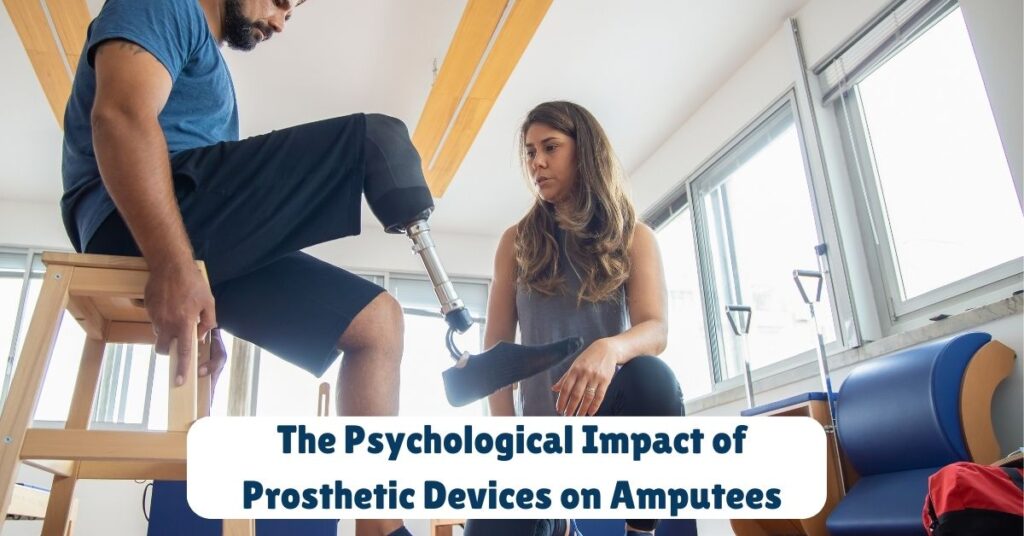
What Is The Difference Between Custom-Made And Prefabricated Orthoses Summary : Choosing an orthosis is not simply about picking a device from a shelf. The right option depends on the body part being supported, the level of correction required, comfort, daily activities, and individual anatomy. This article explains the difference between custom-made and prefabricated orthoses, how they are designed and fitted, where each option may be useful, and how professional assessment can help guide the decision. Orthoses are external devices used to support, align, protect, stabilise, or assist parts of the body. They can be designed for the foot, ankle, knee, spine, hand, wrist, and other areas depending on the user's needs. Some are made specifically for one person, while others are manufactured in standard sizes and supplied ready to use. This is where the difference between custom-made and prefabricated orthoses becomes important. A custom-made orthosis is developed around an individual's anatomy and functional requirements, while a prefabricated orthosis follows a standard design and sizing system. Neither option is automatically suitable for every person. The purpose of the device and the individual's needs should guide the choice. What Are Custom-Made Orthoses? Custom-made orthoses are designed and fabricated for a particular individual. The process generally starts with an assessment of the person's condition, anatomy, movement, functional requirements, and intended use of the device. Depending on the body area and type of orthosis, the practitioner may take measurements, create an impression or cast, or use digital scanning technology. These details are then used to develop an orthosis with the required shape, support, alignment, and control. Customisation can also involve selecting specific materials, joints, straps, padding, or other components. Once the device is produced, it can be checked during fitting and adjusted where necessary to improve comfort and function. Individual Fit And Design One of the main characteristics of a custom-made orthosis is its individual fit. The device is not simply chosen because it matches a standard size. Instead, its dimensions and design are based on the user's anatomy and the clinical purpose of the orthosis. This can be especially useful when a person has unusual anatomy, significant asymmetry, specific pressure-distribution needs, or functional requirements that are difficult to meet with a standard device. Personalised Fabrication Process Custom fabrication usually involves several stages rather than immediate supply. Assessment, design, fabrication, fitting, and follow-up can all form part of the process. This makes it possible to make refinements when required. Cold Weather Care Tips for Prosthetic Wearers Cold weather brings unique challenges for prosthetic wearers, from maintaining comfort to ensuring the prosthetic remains functional and safe. Winter conditions like freezing temperatures, icy paths, and dry air can affect both the residual limb and the prosthetic itself. This guide provides practical tips to help prosthetic wearers stay comfortable, safe, and proactive during the colder months. 1. Keep Your Residual Limb Warm and Protected Cold temperatures can cause the blood vessels in the residual limb to constrict, leading to discomfort, numbness, or reduced circulation. Layer Up Smartly: Wear thermal liners, warm socks, or insulated covers over your residual limb. Materials like fleece or wool can help retain heat. Avoid Prolonged Exposure: Limit time outdoors in freezing weather to prevent frostbite or skin irritation. Use Hand Warmers: Consider placing a safe, gentle heat source, like a hand warmer, near your prosthetic socket (but not in direct contact) to maintain warmth. The Psychological Impact of Prosthetic Devices on Amputees Losing a limb is not just a physical challenge; it's a deeply emotional experience that can profoundly impact a person's life. Adjusting to life with a prosthetic device is not just about learning to walk again—it's about navigating a complex array of emotions and psychological challenges. Let's explore the psychological impact of prosthetic devices on amputees and how they can overcome these challenges with resilience and support. The Emotional Journey The loss of a limb can trigger a range of emotions, including grief, anger, frustration, and sadness. Amputees may struggle with feelings of loss and a sense of identity as they adjust to their new reality. They may mourn the loss of their former abilities and worry about how others perceive them. Finding Ways to Feel Better Even though it's hard, there are things that can help: Talking About It: Sharing feelings with others who understand can make a big difference. Taking Small Steps: Setting little goals and celebrating when you reach them can help you feel stronger. Staying Positive: Even when it's tough, keeping hopeful and believing in yourself can be comforting. Seeing the Good: Finding the silver lining in tough situations and seeing challenges as opportunities can change how you feel. Getting Moving: Doing activities, even if they're small, can lift your mood and make you feel better overall. Psychological Challenges Adapting to life with a prosthetic device comes with its own set of psychological challenges. Amputees may experience: Body Image Concerns: Adjusting to a new body image can be difficult. Amputees may feel self conscious about their appearance and worry about how others perceive them. Fear and Anxiety: Fear of falling, fear of rejection, and anxiety about the future are common among amputees. They may worry about their ability to perform daily tasks or engage in activities they once enjoyed. Depression: The emotional toll of limb loss can lead to depression in some individuals. Feelings of hopelessness, worthlessness, and isolation may arise as they struggle to cope with their new reality. Coping Strategies While the psychological impact of prosthetic devices on amputees is significant, there are ways to cope and thrive: Seeking Support: Connecting with other amputees, joining support groups, and talking to a therapist can provide valuable emotional support and validation. Setting Realistic Goals: Setting achievable goals and celebrating small victories can boost confidence and motivation. Embracing Resilience: Resilience is the ability to bounce back from adversity. Amputees can cultivate resilience by focusing on their strengths, practicing self compassion, and staying hopeful. Reframing Challenges: Viewing challenges as opportunities for growth and learning can help
Can You Sleep with a Prosthetic Leg?
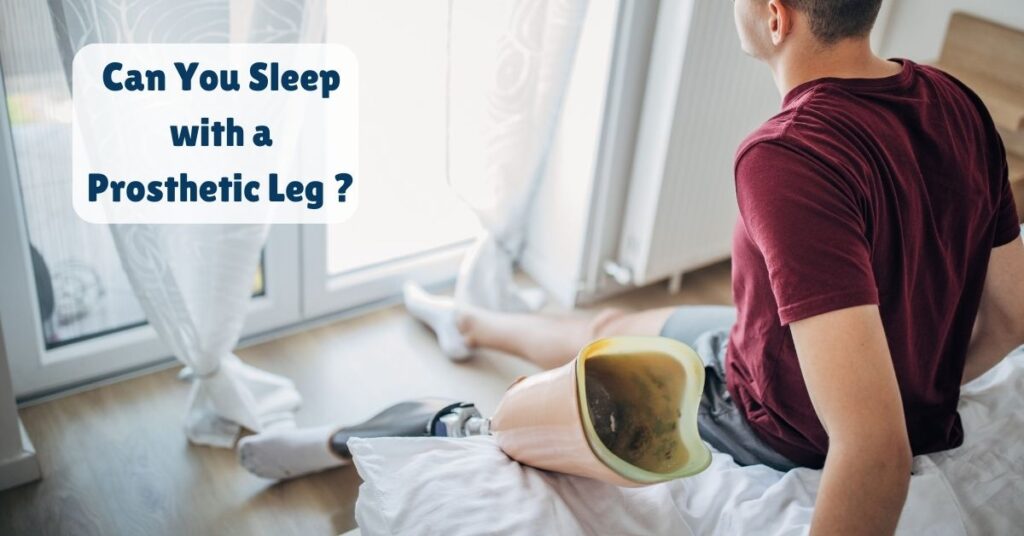
What Is The Difference Between Custom-Made And Prefabricated Orthoses Summary : Choosing an orthosis is not simply about picking a device from a shelf. The right option depends on the body part being supported, the level of correction required, comfort, daily activities, and individual anatomy. This article explains the difference between custom-made and prefabricated orthoses, how they are designed and fitted, where each option may be useful, and how professional assessment can help guide the decision. Orthoses are external devices used to support, align, protect, stabilise, or assist parts of the body. They can be designed for the foot, ankle, knee, spine, hand, wrist, and other areas depending on the user's needs. Some are made specifically for one person, while others are manufactured in standard sizes and supplied ready to use. This is where the difference between custom-made and prefabricated orthoses becomes important. A custom-made orthosis is developed around an individual's anatomy and functional requirements, while a prefabricated orthosis follows a standard design and sizing system. Neither option is automatically suitable for every person. The purpose of the device and the individual's needs should guide the choice. What Are Custom-Made Orthoses? Custom-made orthoses are designed and fabricated for a particular individual. The process generally starts with an assessment of the person's condition, anatomy, movement, functional requirements, and intended use of the device. Depending on the body area and type of orthosis, the practitioner may take measurements, create an impression or cast, or use digital scanning technology. These details are then used to develop an orthosis with the required shape, support, alignment, and control. Customisation can also involve selecting specific materials, joints, straps, padding, or other components. Once the device is produced, it can be checked during fitting and adjusted where necessary to improve comfort and function. Individual Fit And Design One of the main characteristics of a custom-made orthosis is its individual fit. The device is not simply chosen because it matches a standard size. Instead, its dimensions and design are based on the user's anatomy and the clinical purpose of the orthosis. This can be especially useful when a person has unusual anatomy, significant asymmetry, specific pressure-distribution needs, or functional requirements that are difficult to meet with a standard device. Personalised Fabrication Process Custom fabrication usually involves several stages rather than immediate supply. Assessment, design, fabrication, fitting, and follow-up can all form part of the process. This makes it possible to make refinements when required. Cold Weather Care Tips for Prosthetic Wearers Cold weather brings unique challenges for prosthetic wearers, from maintaining comfort to ensuring the prosthetic remains functional and safe. Winter conditions like freezing temperatures, icy paths, and dry air can affect both the residual limb and the prosthetic itself. This guide provides practical tips to help prosthetic wearers stay comfortable, safe, and proactive during the colder months. 1. Keep Your Residual Limb Warm and Protected Cold temperatures can cause the blood vessels in the residual limb to constrict, leading to discomfort, numbness, or reduced circulation. Layer Up Smartly: Wear thermal liners, warm socks, or insulated covers over your residual limb. Materials like fleece or wool can help retain heat. Avoid Prolonged Exposure: Limit time outdoors in freezing weather to prevent frostbite or skin irritation. Use Hand Warmers: Consider placing a safe, gentle heat source, like a hand warmer, near your prosthetic socket (but not in direct contact) to maintain warmth. Can You Sleep with a Prosthetic Leg? Living with a prosthetic leg comes with many adjustments, one of which is deciding whether to wear your prosthetic limb to bed. This is a common question among amputees and their caregivers. Understanding the pros and cons of sleeping with a prosthetic leg can help you make an informed decision that prioritizes comfort, health, and well-being. Understanding the Basics: Prosthetic Leg and Daily Use Prosthetic legs are designed to replace the function and appearance of a lost limb. They are worn throughout the day to help with mobility, independence, and overall quality of life. However, just like any other part of your body, your residual limb (the part of your leg that remains) needs time to rest and recover, especially after a day of bearing weight and moving around. A prosthetic leg is more than just a mobility aid; it’s a part of regaining independence and improving quality of life after an amputation. These devices are meticulously designed to mimic the function of a natural limb, allowing individuals to walk, run, and perform daily tasks. However, like any other part of your body. The question of whether to sleep with a prosthetic leg hinges on balancing the needs of the residual limb with your comfort and health. Should You Sleep with Your Prosthetic Leg On? In most cases, it is recommended not to sleep with your prosthetic leg on. Here’s why: Rest and Recovery for the Residual Limb The residual limb endures significant pressure, friction, and weight-bearing throughout the day, especially when using a prosthetic leg. Sleeping with the prosthesis can increase these stresses, potentially leading to skin irritation, pressure sores, and discomfort. Removing the prosthetic leg at night allows the residual limb to relax and recover from the day’s activities, promoting overall health and comfort. Hygiene and Skin Health A prosthetic leg can trap sweat and bacteria, particularly in warm or humid conditions. Wearing it overnight may increase the risk of skin infections, rashes, and other dermatological issues. By removing the prosthesis before bed, the residual limb can breathe, stay dry, and maintain better hygiene. Maximizing Comfort and Sleep Quality Sleeping with a prosthetic leg can be uncomfortable and may interfere with your ability to find a comfortable sleeping position. The rigidity and structure of the prosthesis can restrict movement, making it difficult to relax fully and achieve deep, restorative sleep. Quality sleep is vital for overall health and well-being, and discomfort caused by wearing a prosthetic leg at night can lead to restless sleep and fatigue. Protecting the Prosthesis from Damage Prosthetic legs are designed for mobility
Amputee Rehabilitation: Essential Steps in Post-Amputation Physical Therapy

What Is The Difference Between Custom-Made And Prefabricated Orthoses Summary : Choosing an orthosis is not simply about picking a device from a shelf. The right option depends on the body part being supported, the level of correction required, comfort, daily activities, and individual anatomy. This article explains the difference between custom-made and prefabricated orthoses, how they are designed and fitted, where each option may be useful, and how professional assessment can help guide the decision. Orthoses are external devices used to support, align, protect, stabilise, or assist parts of the body. They can be designed for the foot, ankle, knee, spine, hand, wrist, and other areas depending on the user's needs. Some are made specifically for one person, while others are manufactured in standard sizes and supplied ready to use. This is where the difference between custom-made and prefabricated orthoses becomes important. A custom-made orthosis is developed around an individual's anatomy and functional requirements, while a prefabricated orthosis follows a standard design and sizing system. Neither option is automatically suitable for every person. The purpose of the device and the individual's needs should guide the choice. What Are Custom-Made Orthoses? Custom-made orthoses are designed and fabricated for a particular individual. The process generally starts with an assessment of the person's condition, anatomy, movement, functional requirements, and intended use of the device. Depending on the body area and type of orthosis, the practitioner may take measurements, create an impression or cast, or use digital scanning technology. These details are then used to develop an orthosis with the required shape, support, alignment, and control. Customisation can also involve selecting specific materials, joints, straps, padding, or other components. Once the device is produced, it can be checked during fitting and adjusted where necessary to improve comfort and function. Individual Fit And Design One of the main characteristics of a custom-made orthosis is its individual fit. The device is not simply chosen because it matches a standard size. Instead, its dimensions and design are based on the user's anatomy and the clinical purpose of the orthosis. This can be especially useful when a person has unusual anatomy, significant asymmetry, specific pressure-distribution needs, or functional requirements that are difficult to meet with a standard device. Personalised Fabrication Process Custom fabrication usually involves several stages rather than immediate supply. Assessment, design, fabrication, fitting, and follow-up can all form part of the process. This makes it possible to make refinements when required. Amputee Rehabilitation: Essential Steps in Post-Amputation Physical Therapy Recovering from an amputation is a journey that requires patience, strength, and support. Physical therapy is a key part of this recovery process, helping individuals regain their ability to move, build strength, and adjust to life with a prosthetic limb. It’s not just about healing the body; it’s about rebuilding confidence and independence. From managing pain and improving mobility to learning how to use a prosthesis, physical therapy provides the tools and guidance needed to face the challenges of life after amputation and move forward with a positive outlook. What is Physical Therapy for Amputees and How Physical Therapy Helps Amputees Recover Physical therapy is a critical component of amputation rehabilitation. It’s a specialized program that focuses on helping amputees regain strength, flexibility, and mobility. A physical therapist works closely with the individual to address a variety of needs, including pain management, muscle strengthening, and improving balance. The ultimate goal is to help amputees adapt to their new reality, teaching them how to perform daily activities and use assistive devices effectively. Key aspects of physical therapy for amputees include: Pain Management: Techniques such as massage, stretching, and the use of hot or cold therapy can significantly reduce discomfort. Strength and Endurance: Exercises that build muscle strength and endurance are essential for overall fitness and prosthetic use. Flexibility and Range of Motion: Stretching and joint mobilization exercises help maintain and improve flexibility, which is crucial for movement and balance. Daily Living Skills: Training in everyday tasks, such as dressing and bathing, empowers amputees to live more independently. The Importance of Physical Therapy in Rehabilitation Physical therapy is essential in helping individuals adapt to prosthetics and orthotics. Here’s how: Personalized Training When you first receive a prosthetic or orthotic device, it can feel strange and challenging to use. A physical therapist works with you one-on-one to develop a personalized training plan. This plan includes exercises and techniques tailored to your specific needs and goals, ensuring you gain the most benefit from your device. Improving Mobility and Function Physical therapists teach you how to move with your new device. This includes walking, climbing stairs, and performing daily activities. They focus on improving your balance, strength, and coordination, helping you move more naturally and efficiently. Reducing Pain and Discomfort Using a new prosthetic or orthotic device can sometimes cause pain or discomfort. Physical therapists help address these issues by adjusting the fit of the device and providing exercises that reduce strain and improve comfort. Enhancing Confidence and Independence Learning to use a prosthetic or orthotic device can be emotionally challenging. Physical therapists provide not only physical support but also emotional encouragement. They help build your confidence, so you feel more independent and capable in your everyday life. Enhances Functional Skills: Gaining confidence in performing daily tasks leads to a greater sense of independence and control over one’s life. What to Expect in Physical Therapy? Initial Assessment Your first visit to a physical therapist will involve an assessment of your current mobility, strength, and the specific challenges you face with your new device. This helps the therapist create a customized plan for you. Goal Setting Together with your therapist, you’ll set realistic and achievable goals. These goals could range from walking a certain distance without discomfort to being able to perform specific tasks like cooking or gardening. Regular Sessions Physical therapy involves regular sessions where you’ll work on exercises and techniques to improve your use of the prosthetic or orthotic device. These sessions are hands-on and may include various activities
Post-Surgery Immediate Prosthesis: A New Era in Recovery
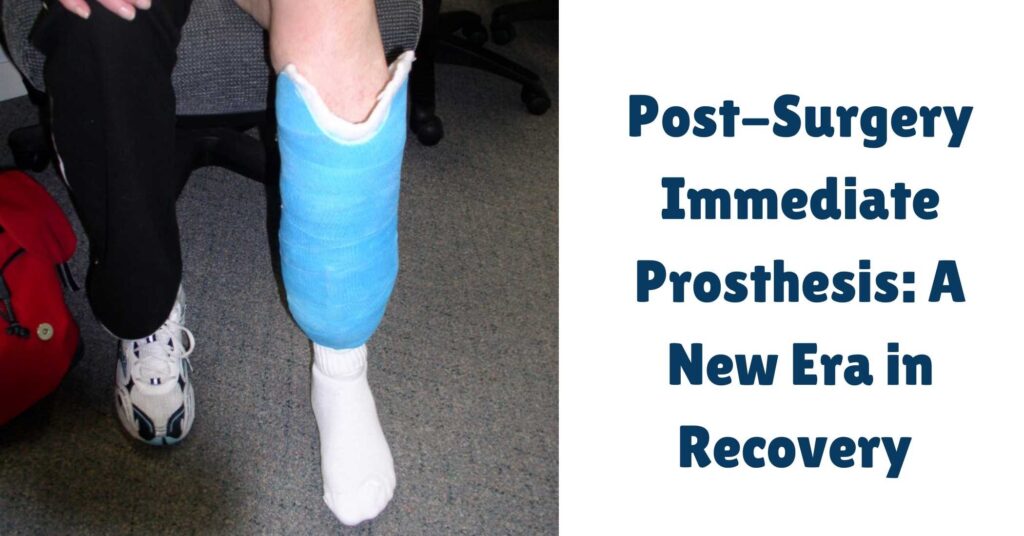
What Is The Difference Between Custom-Made And Prefabricated Orthoses Summary : Choosing an orthosis is not simply about picking a device from a shelf. The right option depends on the body part being supported, the level of correction required, comfort, daily activities, and individual anatomy. This article explains the difference between custom-made and prefabricated orthoses, how they are designed and fitted, where each option may be useful, and how professional assessment can help guide the decision. Orthoses are external devices used to support, align, protect, stabilise, or assist parts of the body. They can be designed for the foot, ankle, knee, spine, hand, wrist, and other areas depending on the user's needs. Some are made specifically for one person, while others are manufactured in standard sizes and supplied ready to use. This is where the difference between custom-made and prefabricated orthoses becomes important. A custom-made orthosis is developed around an individual's anatomy and functional requirements, while a prefabricated orthosis follows a standard design and sizing system. Neither option is automatically suitable for every person. The purpose of the device and the individual's needs should guide the choice. What Are Custom-Made Orthoses? Custom-made orthoses are designed and fabricated for a particular individual. The process generally starts with an assessment of the person's condition, anatomy, movement, functional requirements, and intended use of the device. Depending on the body area and type of orthosis, the practitioner may take measurements, create an impression or cast, or use digital scanning technology. These details are then used to develop an orthosis with the required shape, support, alignment, and control. Customisation can also involve selecting specific materials, joints, straps, padding, or other components. Once the device is produced, it can be checked during fitting and adjusted where necessary to improve comfort and function. Individual Fit And Design One of the main characteristics of a custom-made orthosis is its individual fit. The device is not simply chosen because it matches a standard size. Instead, its dimensions and design are based on the user's anatomy and the clinical purpose of the orthosis. This can be especially useful when a person has unusual anatomy, significant asymmetry, specific pressure-distribution needs, or functional requirements that are difficult to meet with a standard device. Personalised Fabrication Process Custom fabrication usually involves several stages rather than immediate supply. Assessment, design, fabrication, fitting, and follow-up can all form part of the process. This makes it possible to make refinements when required. Cold Weather Care Tips for Prosthetic Wearers Cold weather brings unique challenges for prosthetic wearers, from maintaining comfort to ensuring the prosthetic remains functional and safe. Winter conditions like freezing temperatures, icy paths, and dry air can affect both the residual limb and the prosthetic itself. This guide provides practical tips to help prosthetic wearers stay comfortable, safe, and proactive during the colder months. 1. Keep Your Residual Limb Warm and Protected Cold temperatures can cause the blood vessels in the residual limb to constrict, leading to discomfort, numbness, or reduced circulation. Layer Up Smartly: Wear thermal liners, warm socks, or insulated covers over your residual limb. Materials like fleece or wool can help retain heat. Avoid Prolonged Exposure: Limit time outdoors in freezing weather to prevent frostbite or skin irritation. Use Hand Warmers: Consider placing a safe, gentle heat source, like a hand warmer, near your prosthetic socket (but not in direct contact) to maintain warmth. Post-Surgery Immediate Prosthesis: A New Era in Recovery Undergoing surgery is a daunting experience, but recent advancements in medical technology are making recovery easier and quicker. One such breakthrough is the Immediate prosthesis, which is gaining recognition in both India and Europe. What is Immediate Postoperative Prosthesis? An immediate postoperative prosthesis is a type of prosthetic limb that is fitted and used by a patient right after their amputation surgery, often during the same hospital stay. Unlike traditional prostheses, which are usually fitted weeks or months after surgery, an immediate postoperative prosthesis allows the patient to start using a prosthetic limb almost immediately. Key Features of Immediate Postoperative Prosthesis Early Use: Patients can begin using the prosthesis shortly after surgery, which helps in reducing the downtime and starting the rehabilitation process sooner. Custom Fit: It is designed to fit the residual limb as closely as possible, taking into account the changes in shape and size that occur as the limb heals. Temporary Design: The immediate postoperative prosthesis is often a temporary device. It supports the healing process and prepares the patient for a more permanent prosthetic limb that will be fitted later on. Comfort and Adaptation: The prosthesis is made to be comfortable and to accommodate the swelling and changes in the residual limb, making it easier for patients to adapt and start using it for daily activities. Benefits of Immediate Prosthesis Immediate Use: Patients can start using their new limb almost immediately, reducing the downtime traditionally associated with post-surgery recovery. Psychological Boost: The ability to see and use a prosthetic limb soon after surgery can greatly improve a patient's mental health, providing a sense of normalcy and hope. The Psychological Impact of Prosthetic Devices on Amputees Better Healing: Early use of a prosthesis can aid in the healing process, promoting better blood flow and reducing the risk of complications. How Does Immediate Postoperative Prosthesis Affect Rehabilitation? An immediate postoperative prosthesis has a significant impact on the rehabilitation process, offering several benefits that can enhance recovery: Accelerates Recovery: By allowing patients to use a prosthetic limb soon after surgery, immediate postoperative prostheses help speed up the overall recovery process. Patients can begin mobility training and physical therapy earlier, which promotes quicker improvements in strength and function. Improves Mobility Early On: Early use of a prosthesis helps patients start working on their mobility and balance sooner. This early practice can lead to better outcomes in terms of walking and moving with the prosthetic limb, making the transition smoother. Reduces Complications: Using the prosthesis shortly after surgery can help prevent complications like joint stiffness and muscle atrophy. The
Role of Exercise In Enhancing Prosthetic Functionality

What Is The Difference Between Custom-Made And Prefabricated Orthoses Summary : Choosing an orthosis is not simply about picking a device from a shelf. The right option depends on the body part being supported, the level of correction required, comfort, daily activities, and individual anatomy. This article explains the difference between custom-made and prefabricated orthoses, how they are designed and fitted, where each option may be useful, and how professional assessment can help guide the decision. Orthoses are external devices used to support, align, protect, stabilise, or assist parts of the body. They can be designed for the foot, ankle, knee, spine, hand, wrist, and other areas depending on the user's needs. Some are made specifically for one person, while others are manufactured in standard sizes and supplied ready to use. This is where the difference between custom-made and prefabricated orthoses becomes important. A custom-made orthosis is developed around an individual's anatomy and functional requirements, while a prefabricated orthosis follows a standard design and sizing system. Neither option is automatically suitable for every person. The purpose of the device and the individual's needs should guide the choice. What Are Custom-Made Orthoses? Custom-made orthoses are designed and fabricated for a particular individual. The process generally starts with an assessment of the person's condition, anatomy, movement, functional requirements, and intended use of the device. Depending on the body area and type of orthosis, the practitioner may take measurements, create an impression or cast, or use digital scanning technology. These details are then used to develop an orthosis with the required shape, support, alignment, and control. Customisation can also involve selecting specific materials, joints, straps, padding, or other components. Once the device is produced, it can be checked during fitting and adjusted where necessary to improve comfort and function. Individual Fit And Design One of the main characteristics of a custom-made orthosis is its individual fit. The device is not simply chosen because it matches a standard size. Instead, its dimensions and design are based on the user's anatomy and the clinical purpose of the orthosis. This can be especially useful when a person has unusual anatomy, significant asymmetry, specific pressure-distribution needs, or functional requirements that are difficult to meet with a standard device. Personalised Fabrication Process Custom fabrication usually involves several stages rather than immediate supply. Assessment, design, fabrication, fitting, and follow-up can all form part of the process. This makes it possible to make refinements when required. Cold Weather Care Tips for Prosthetic Wearers Cold weather brings unique challenges for prosthetic wearers, from maintaining comfort to ensuring the prosthetic remains functional and safe. Winter conditions like freezing temperatures, icy paths, and dry air can affect both the residual limb and the prosthetic itself. This guide provides practical tips to help prosthetic wearers stay comfortable, safe, and proactive during the colder months. 1. Keep Your Residual Limb Warm and Protected Cold temperatures can cause the blood vessels in the residual limb to constrict, leading to discomfort, numbness, or reduced circulation. Layer Up Smartly: Wear thermal liners, warm socks, or insulated covers over your residual limb. Materials like fleece or wool can help retain heat. Avoid Prolonged Exposure: Limit time outdoors in freezing weather to prevent frostbite or skin irritation. Use Hand Warmers: Consider placing a safe, gentle heat source, like a hand warmer, near your prosthetic socket (but not in direct contact) to maintain warmth. Role of Exercise In Enhancing Prosthetic Functionality For individuals who use prosthetics, maintaining an active lifestyle is crucial not only for overall health but also for optimizing the functionality of their prosthetic devices. Exercise plays a significant role in ensuring that prosthetics work effectively and comfortably, which can greatly enhance a person's quality of life. Explores how regular exercise benefits prosthetic users, the types of exercises that are most effective, and how exercise can impact prosthetic comfort and fit. We’ll also address common challenges faced during exercise and offer practical solutions. What is The Functionality of Prosthetics? Prosthetics are artificial devices designed to replace missing limbs or body parts, helping users perform everyday tasks and improve mobility. They come in various forms, such as prosthetic legs, arms, hands, and more, each tailored to meet specific needs. The primary functionality of prosthetics includes: Restoring Mobility: Prosthetics help users regain movement and functionality similar to a natural limb. For instance, prosthetic legs can enable walking, running, and climbing stairs. Enhancing Daily Activities: They assist users in performing daily tasks, such as picking up objects, typing, or engaging in recreational activities. Providing Support: Prosthetics offer structural support to the body, helping users maintain balance and reduce strain on other body parts. However, the effectiveness of a prosthetic device largely depends on how well it fits and functions. Regular exercise can significantly enhance this functionality by improving the user's strength, flexibility, and overall physical condition. What Types of Exercises are Most Effective For Prosthetic Users? Standing Exercises Standing exercises are fundamental for prosthetic users as they help improve balance and stability. These exercises focus on strengthening the muscles around the prosthetic limb, which is crucial for performing daily tasks with confidence. Practicing standing exercises regularly can lead to better posture and greater control over movements. Stair Climbing Stair climbing is an effective way for prosthetic users to build leg strength and enhance coordination. This exercise not only improves muscle tone but also boosts confidence in navigating different levels. Mastering stair climbing can make it easier to move around in both home and public spaces. Forward and Backward Walking Walking forward and backward is key for improving coordination and ensuring smooth movement with a prosthetic limb. These exercises help users develop a natural gait, making it easier to walk in various settings. It also enhances the ability to change direction with ease. Incline Walking Incline walking is designed to strengthen muscles and improve balance when walking on uneven surfaces. This exercise challenges the user to maintain stability while ascending or descending slopes, which is essential for outdoor mobility. It also helps
What is (above the knee) Trans-Femoral Prosthesis?
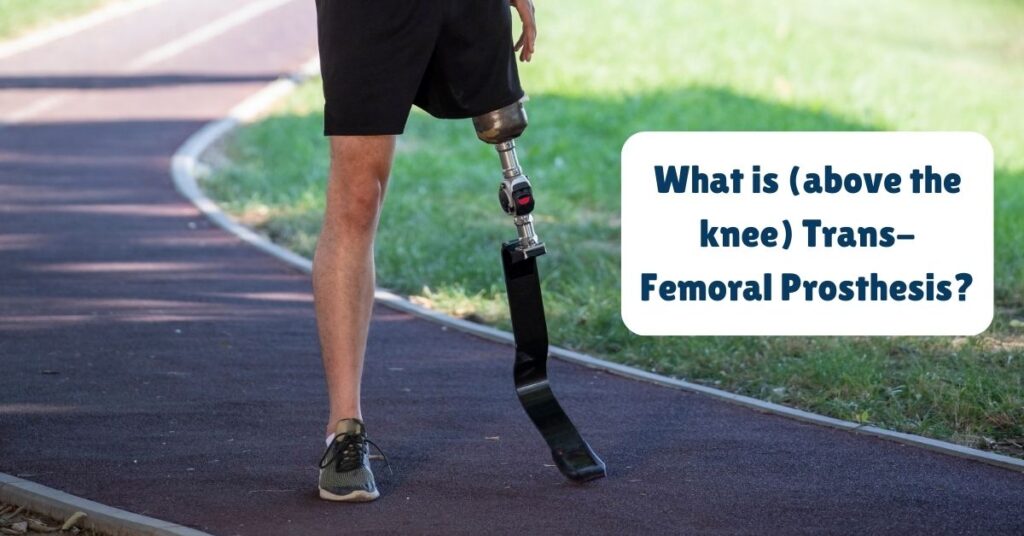
What Is The Difference Between Custom-Made And Prefabricated Orthoses Summary : Choosing an orthosis is not simply about picking a device from a shelf. The right option depends on the body part being supported, the level of correction required, comfort, daily activities, and individual anatomy. This article explains the difference between custom-made and prefabricated orthoses, how they are designed and fitted, where each option may be useful, and how professional assessment can help guide the decision. Orthoses are external devices used to support, align, protect, stabilise, or assist parts of the body. They can be designed for the foot, ankle, knee, spine, hand, wrist, and other areas depending on the user's needs. Some are made specifically for one person, while others are manufactured in standard sizes and supplied ready to use. This is where the difference between custom-made and prefabricated orthoses becomes important. A custom-made orthosis is developed around an individual's anatomy and functional requirements, while a prefabricated orthosis follows a standard design and sizing system. Neither option is automatically suitable for every person. The purpose of the device and the individual's needs should guide the choice. What Are Custom-Made Orthoses? Custom-made orthoses are designed and fabricated for a particular individual. The process generally starts with an assessment of the person's condition, anatomy, movement, functional requirements, and intended use of the device. Depending on the body area and type of orthosis, the practitioner may take measurements, create an impression or cast, or use digital scanning technology. These details are then used to develop an orthosis with the required shape, support, alignment, and control. Customisation can also involve selecting specific materials, joints, straps, padding, or other components. Once the device is produced, it can be checked during fitting and adjusted where necessary to improve comfort and function. Individual Fit And Design One of the main characteristics of a custom-made orthosis is its individual fit. The device is not simply chosen because it matches a standard size. Instead, its dimensions and design are based on the user's anatomy and the clinical purpose of the orthosis. This can be especially useful when a person has unusual anatomy, significant asymmetry, specific pressure-distribution needs, or functional requirements that are difficult to meet with a standard device. Personalised Fabrication Process Custom fabrication usually involves several stages rather than immediate supply. Assessment, design, fabrication, fitting, and follow-up can all form part of the process. This makes it possible to make refinements when required. Cold Weather Care Tips for Prosthetic Wearers Cold weather brings unique challenges for prosthetic wearers, from maintaining comfort to ensuring the prosthetic remains functional and safe. Winter conditions like freezing temperatures, icy paths, and dry air can affect both the residual limb and the prosthetic itself. This guide provides practical tips to help prosthetic wearers stay comfortable, safe, and proactive during the colder months. 1. Keep Your Residual Limb Warm and Protected Cold temperatures can cause the blood vessels in the residual limb to constrict, leading to discomfort, numbness, or reduced circulation. Layer Up Smartly: Wear thermal liners, warm socks, or insulated covers over your residual limb. Materials like fleece or wool can help retain heat. Avoid Prolonged Exposure: Limit time outdoors in freezing weather to prevent frostbite or skin irritation. Use Hand Warmers: Consider placing a safe, gentle heat source, like a hand warmer, near your prosthetic socket (but not in direct contact) to maintain warmth. What is (above the knee) Trans-Femoral Prosthesis? A trans-femoral prosthesis is an advanced artificial limb designed for individuals who have undergone an amputation above the knee. This prosthesis replaces the missing limb, extending from the thigh to the foot, and is crafted from durable materials like polypropylene. It comprises several interconnected components, including a solid ankle cushion, knee shell, and various adjustment mechanisms, which work together to replicate the function and movement of a natural leg. The trans-femoral prosthesis provides support, mobility, and comfort, allowing users to perform daily activities and maintain an active lifestyle. It is tailored to fit the unique needs of each individual for optimal functionality and comfort. What Is A Trans-Femoral Prosthesis? A transfemoral prosthesis is an advanced artificial limb designed for individuals who have undergone an amputation above the knee. This prosthesis replaces the missing limb from the thigh to the foot, crafted from durable materials like polypropylene. It includes components such as a solid ankle cushion, knee shell, and various adjustment mechanisms, which work together to replicate the natural leg's function and movement. A transfemoral prosthesis provides essential support, mobility, and comfort, enabling users to perform daily activities and maintain an active lifestyle. It is tailored to fit each individual’s unique needs, ensuring optimal functionality and comfort. What Are The Types Of Trans-Femoral Prosthesis? 1. Mechanical Knee Prostheses Single-Axis Knees: Featuring a simple hinge design, single-axis knees allow basic bending motion. They are typically more affordable and suitable for users with lower activity levels. However, they lack advanced stability features, making them less ideal for complex activities. Polycentric Knees: These prostheses have multiple axes of rotation, providing a more natural knee movement and increased stability. The design enhances knee stability during the stance phase of walking, making them suitable for users who need better balance and more natural gait patterns. 2. Hydraulic Knee Prostheses Hydraulic Swing Phase Control: This type uses fluid dynamics to control the knee's movement during the swing phase of walking, offering smoother and more controlled motion. It adjusts to different walking speeds, providing versatility and improving the user’s confidence and safety during ambulation. Hydraulic Stance Phase Control: These prostheses provide enhanced stability when the foot is on the ground by controlling the knee’s resistance during the stance phase. This feature is particularly beneficial for users who need extra support and stability while standing or during weight-bearing activities. 3. Pneumatic Knee Prostheses Utilizes air pressure to manage knee movements, these prostheses offer a smoother and more natural gait. The pneumatic systems adjust to the user’s walking speed and provide variable resistance, enhancing comfort and efficiency during ambulation.
Child Spandan Foot: Quality and Comfort for Young Amputees

What Is The Difference Between Custom-Made And Prefabricated Orthoses Summary : Choosing an orthosis is not simply about picking a device from a shelf. The right option depends on the body part being supported, the level of correction required, comfort, daily activities, and individual anatomy. This article explains the difference between custom-made and prefabricated orthoses, how they are designed and fitted, where each option may be useful, and how professional assessment can help guide the decision. Orthoses are external devices used to support, align, protect, stabilise, or assist parts of the body. They can be designed for the foot, ankle, knee, spine, hand, wrist, and other areas depending on the user's needs. Some are made specifically for one person, while others are manufactured in standard sizes and supplied ready to use. This is where the difference between custom-made and prefabricated orthoses becomes important. A custom-made orthosis is developed around an individual's anatomy and functional requirements, while a prefabricated orthosis follows a standard design and sizing system. Neither option is automatically suitable for every person. The purpose of the device and the individual's needs should guide the choice. What Are Custom-Made Orthoses? Custom-made orthoses are designed and fabricated for a particular individual. The process generally starts with an assessment of the person's condition, anatomy, movement, functional requirements, and intended use of the device. Depending on the body area and type of orthosis, the practitioner may take measurements, create an impression or cast, or use digital scanning technology. These details are then used to develop an orthosis with the required shape, support, alignment, and control. Customisation can also involve selecting specific materials, joints, straps, padding, or other components. Once the device is produced, it can be checked during fitting and adjusted where necessary to improve comfort and function. Individual Fit And Design One of the main characteristics of a custom-made orthosis is its individual fit. The device is not simply chosen because it matches a standard size. Instead, its dimensions and design are based on the user's anatomy and the clinical purpose of the orthosis. This can be especially useful when a person has unusual anatomy, significant asymmetry, specific pressure-distribution needs, or functional requirements that are difficult to meet with a standard device. Personalised Fabrication Process Custom fabrication usually involves several stages rather than immediate supply. Assessment, design, fabrication, fitting, and follow-up can all form part of the process. This makes it possible to make refinements when required. Cold Weather Care Tips for Prosthetic Wearers Cold weather brings unique challenges for prosthetic wearers, from maintaining comfort to ensuring the prosthetic remains functional and safe. Winter conditions like freezing temperatures, icy paths, and dry air can affect both the residual limb and the prosthetic itself. This guide provides practical tips to help prosthetic wearers stay comfortable, safe, and proactive during the colder months. 1. Keep Your Residual Limb Warm and Protected Cold temperatures can cause the blood vessels in the residual limb to constrict, leading to discomfort, numbness, or reduced circulation. Layer Up Smartly: Wear thermal liners, warm socks, or insulated covers over your residual limb. Materials like fleece or wool can help retain heat. Avoid Prolonged Exposure: Limit time outdoors in freezing weather to prevent frostbite or skin irritation. Use Hand Warmers: Consider placing a safe, gentle heat source, like a hand warmer, near your prosthetic socket (but not in direct contact) to maintain warmth. Child Spandan Foot: Quality and Comfort for Young Amputees For children who have undergone an amputation, having a reliable and comfortable prosthetic foot is essential for mobility and confidence. The Child Spandan Foot is designed specifically with the unique needs of young amputees in mind. Crafted from durable Polyurethane, this prosthetic foot offers an excellent balance of comfort, stability, and longevity. Whether your child needs it for daily activities, walking, or playing. This foot combines the perfect blend of quality, comfort, and functionality, ensuring that children can enjoy mobility with confidence and ease. Designed for Durability and Comfort The Child Spandan Foot is crafted from Polyurethane, a material known for its combination of flexibility and durability. This material is soft enough to provide comfort for growing children, yet sturdy enough to withstand the rigors of daily use. Children are naturally more active, whether playing, running, or walking, and this foot has been designed to offer long-lasting support without sacrificing comfort. Polyurethane also mimics the natural movement of the foot, helping to create a more fluid gait for the wearer. This means that children using the Child Spandan Foot will have more ease of movement and a more natural walking experience, which is crucial for their confidence and overall mobility. Supporting a Range of Amputees One of the standout features of the Child Spandan Foot is its versatility. It is suitable for both trans-tibial (below the knee) and trans-femoral (above the knee) amputees. This makes it a versatile option for young amputees who may have varying needs depending on the level of their amputation. Whether a child has lost part of their leg below or above the knee, the Child Spandan Foot offers the right balance of support and comfort to aid their movement. Additionally, this prosthetic foot is designed to accommodate moderate functional levels, meaning it is perfect for children who engage in light to moderate physical activities. Whether it’s walking, playing outside, or engaging in low-impact sports, the Child Spandan Foot is engineered to provide ample support. Weight Support and Safety Safety is a top priority when it comes to designing prosthetics for children. The Child Spandan Foot is designed to support body weights up to approximately 45 kg, making it ideal for young amputees. This weight limit ensures that the prosthetic can accommodate a wide range of body types and growing children while maintaining its structural integrity over time. Children’s bodies are constantly changing as they grow, and having a prosthetic that can offer reliable weight support is crucial. The Spandan Foot does just that, ensuring that kids can use it comfortably without worrying