
Importance Gait Training with Parallel Bars for Prosthetics
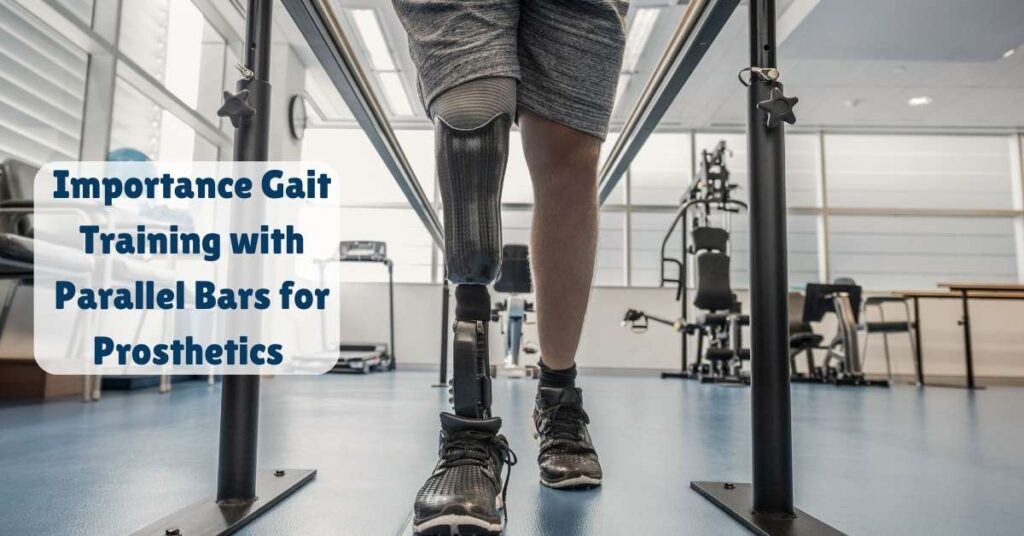
What Is The Difference Between Custom-Made And Prefabricated Orthoses Summary : Choosing an orthosis is not simply about picking a device from a shelf. The right option depends on the body part being supported, the level of correction required, comfort, daily activities, and individual anatomy. This article explains the difference between custom-made and prefabricated orthoses, how they are designed and fitted, where each option may be useful, and how professional assessment can help guide the decision. Orthoses are external devices used to support, align, protect, stabilise, or assist parts of the body. They can be designed for the foot, ankle, knee, spine, hand, wrist, and other areas depending on the user's needs. Some are made specifically for one person, while others are manufactured in standard sizes and supplied ready to use. This is where the difference between custom-made and prefabricated orthoses becomes important. A custom-made orthosis is developed around an individual's anatomy and functional requirements, while a prefabricated orthosis follows a standard design and sizing system. Neither option is automatically suitable for every person. The purpose of the device and the individual's needs should guide the choice. What Are Custom-Made Orthoses? Custom-made orthoses are designed and fabricated for a particular individual. The process generally starts with an assessment of the person's condition, anatomy, movement, functional requirements, and intended use of the device. Depending on the body area and type of orthosis, the practitioner may take measurements, create an impression or cast, or use digital scanning technology. These details are then used to develop an orthosis with the required shape, support, alignment, and control. Customisation can also involve selecting specific materials, joints, straps, padding, or other components. Once the device is produced, it can be checked during fitting and adjusted where necessary to improve comfort and function. Individual Fit And Design One of the main characteristics of a custom-made orthosis is its individual fit. The device is not simply chosen because it matches a standard size. Instead, its dimensions and design are based on the user's anatomy and the clinical purpose of the orthosis. This can be especially useful when a person has unusual anatomy, significant asymmetry, specific pressure-distribution needs, or functional requirements that are difficult to meet with a standard device. Personalised Fabrication Process Custom fabrication usually involves several stages rather than immediate supply. Assessment, design, fabrication, fitting, and follow-up can all form part of the process. This makes it possible to make refinements when required. Cold Weather Care Tips for Prosthetic Wearers Cold weather brings unique challenges for prosthetic wearers, from maintaining comfort to ensuring the prosthetic remains functional and safe. Winter conditions like freezing temperatures, icy paths, and dry air can affect both the residual limb and the prosthetic itself. This guide provides practical tips to help prosthetic wearers stay comfortable, safe, and proactive during the colder months. 1. Keep Your Residual Limb Warm and Protected Cold temperatures can cause the blood vessels in the residual limb to constrict, leading to discomfort, numbness, or reduced circulation. Layer Up Smartly: Wear thermal liners, warm socks, or insulated covers over your residual limb. Materials like fleece or wool can help retain heat. Avoid Prolonged Exposure: Limit time outdoors in freezing weather to prevent frostbite or skin irritation. Use Hand Warmers: Consider placing a safe, gentle heat source, like a hand warmer, near your prosthetic socket (but not in direct contact) to maintain warmth. Importance Gait Training with Parallel Bars for Prosthetics Gait training is an important aspect of rehabilitation for individuals who use prosthetic limbs or orthotic devices. It involves the process of learning how to walk again or improve walking patterns using assistive tools and techniques. One of the most commonly used tools in gait training is parallel bars. These bars provide a stable and controlled environment where individuals can practice their walking skills safely under supervision. Let's explore the significance of gait training with parallel bars for people who use prosthetics and orthotics. What is Parallel Bars Gait Training? Parallel bars gait training is a rehabilitation technique used in physical therapy to help patients improve their walking ability. It involves the use of two parallel bars that provide support and stability, making it ideal for individuals recovering from injuries, surgeries, or conditions that affect mobility, such as stroke or orthopedic issues. This training method offers several benefits, including enhanced safety, improved balance and coordination, muscle strengthening, and gait retraining. The bars create a stable environment where patients can practice walking without the risk of falling. Therapists can observe and correct gait patterns in real-time, promoting more efficient walking mechanics. Training techniques may include weight shifting and stepping exercises, with a gradual progression to challenge patients as they improve. Overall, parallel bars gait training is an effective approach to aid recovery and enhance mobility, allowing individuals to regain their independence. Why Gait Training is Important for Amputees? Gait training is essential because it helps patients regain mobility, improve balance, and develop the necessary strength to use prosthetic limbs or orthotic devices effectively. It’s a gradual process that aims to improve the patient’s confidence, endurance, and walking pattern, ultimately enabling them to move independently. For individuals with prosthetics or orthotics, learning to walk can be particularly challenging. Their bodies need time to adjust to the new equipment, and muscles need to be strengthened to support proper posture and movement. This is where gait training, especially with the aid of parallel bars, becomes critical. The Role of Parallel Bars in Gait Training Parallel bars are a primary tool used in the early stages of gait training. They are two horizontal bars fixed at an appropriate height for the patient to hold onto while practicing walking. These bars provide stability, safety, and support, enabling individuals to practice walking movements without the risk of falling. Key benefits of using parallel bars in gait training include: Safety and Stability: Patients can hold onto the bars to maintain their balance, reducing the risk of falls or injury. This sense of security allows them to
How Long Can I Wear My Prosthetic Limb Each Day?
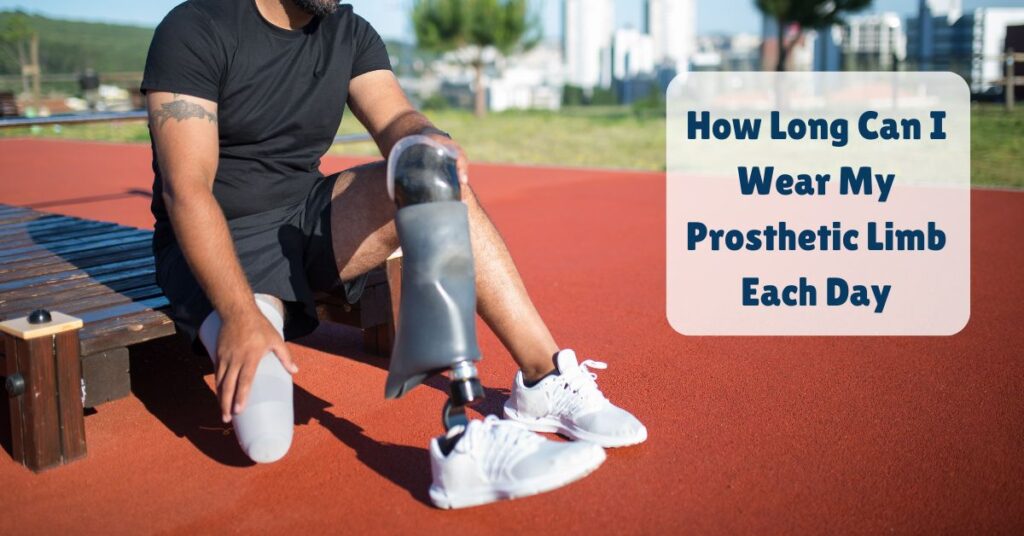
What Is The Difference Between Custom-Made And Prefabricated Orthoses Summary : Choosing an orthosis is not simply about picking a device from a shelf. The right option depends on the body part being supported, the level of correction required, comfort, daily activities, and individual anatomy. This article explains the difference between custom-made and prefabricated orthoses, how they are designed and fitted, where each option may be useful, and how professional assessment can help guide the decision. Orthoses are external devices used to support, align, protect, stabilise, or assist parts of the body. They can be designed for the foot, ankle, knee, spine, hand, wrist, and other areas depending on the user's needs. Some are made specifically for one person, while others are manufactured in standard sizes and supplied ready to use. This is where the difference between custom-made and prefabricated orthoses becomes important. A custom-made orthosis is developed around an individual's anatomy and functional requirements, while a prefabricated orthosis follows a standard design and sizing system. Neither option is automatically suitable for every person. The purpose of the device and the individual's needs should guide the choice. What Are Custom-Made Orthoses? Custom-made orthoses are designed and fabricated for a particular individual. The process generally starts with an assessment of the person's condition, anatomy, movement, functional requirements, and intended use of the device. Depending on the body area and type of orthosis, the practitioner may take measurements, create an impression or cast, or use digital scanning technology. These details are then used to develop an orthosis with the required shape, support, alignment, and control. Customisation can also involve selecting specific materials, joints, straps, padding, or other components. Once the device is produced, it can be checked during fitting and adjusted where necessary to improve comfort and function. Individual Fit And Design One of the main characteristics of a custom-made orthosis is its individual fit. The device is not simply chosen because it matches a standard size. Instead, its dimensions and design are based on the user's anatomy and the clinical purpose of the orthosis. This can be especially useful when a person has unusual anatomy, significant asymmetry, specific pressure-distribution needs, or functional requirements that are difficult to meet with a standard device. Personalised Fabrication Process Custom fabrication usually involves several stages rather than immediate supply. Assessment, design, fabrication, fitting, and follow-up can all form part of the process. This makes it possible to make refinements when required. Cold Weather Care Tips for Prosthetic Wearers Cold weather brings unique challenges for prosthetic wearers, from maintaining comfort to ensuring the prosthetic remains functional and safe. Winter conditions like freezing temperatures, icy paths, and dry air can affect both the residual limb and the prosthetic itself. This guide provides practical tips to help prosthetic wearers stay comfortable, safe, and proactive during the colder months. 1. Keep Your Residual Limb Warm and Protected Cold temperatures can cause the blood vessels in the residual limb to constrict, leading to discomfort, numbness, or reduced circulation. Layer Up Smartly: Wear thermal liners, warm socks, or insulated covers over your residual limb. Materials like fleece or wool can help retain heat. Avoid Prolonged Exposure: Limit time outdoors in freezing weather to prevent frostbite or skin irritation. Use Hand Warmers: Consider placing a safe, gentle heat source, like a hand warmer, near your prosthetic socket (but not in direct contact) to maintain warmth. How Long Can I Wear My Prosthetic Limb Each Day? Click below for quick summary of article: Chat GPT Perplexity Google AI Living with a prosthetic limb often raises many important questions, and one of the most common is about how long you should wear it each day. The amount of time you spend wearing your prosthesis can greatly affect your comfort, skin condition, and overall mobility. Finding the right daily wear schedule is essential to help your body adjust and make your prosthetic limb feel like a natural extension of yourself. Every individual’s experience is unique, and factors such as your healing progress, activity level, and the fit of your prosthesis will influence the ideal wear time. Starting slowly and gradually increasing wear time allows your skin and muscles to build endurance without causing irritation or discomfort. Paying close attention to your body’s signals can prevent potential issues like sores or swelling, which are common concerns during this adjustment period. Wearing your prosthetic limb for the right amount of time each day not only supports physical health but also builds confidence and independence. By understanding your body’s needs and working closely with your prosthetist and healthcare team, you can develop a comfortable routine that supports your lifestyle and long-term mobility goals. Know below how long you should wear your prosthetic limb daily, signs that you might need a break, and tips for staying comfortable and safe. How Long Can You Wear a Prosthetic Leg Each Day? The amount of time a person can wear a prosthetic leg each day varies depending on their level of comfort, stage of rehabilitation, and the type of prosthetic device they’re using. For new users, it’s common to start wearing the prosthesis for short periods—usually a few hours a day—and gradually increase usage as their body adjusts. Most experienced users can wear their prosthetic leg for 12 to 16 hours a day, removing it mainly for sleeping or when resting for extended periods. However, it’s important to monitor the skin for signs of irritation, pressure sores, or discomfort, as these could indicate the need for adjustments in fit or alignment. Regular check-ins with a prosthetist can help ensure the device is functioning well and fitting properly. Daily wear time may also depend on lifestyle, activity level, and overall health. For instance, someone who leads a very active lifestyle may need breaks throughout the day to relieve pressure, while someone with a sedentary routine might wear the limb for longer without discomfort. Listening to your body and giving it time to rest is key to long-term prosthetic use. How Long Can
How to Travel with Prosthetics: Tips for Amputees
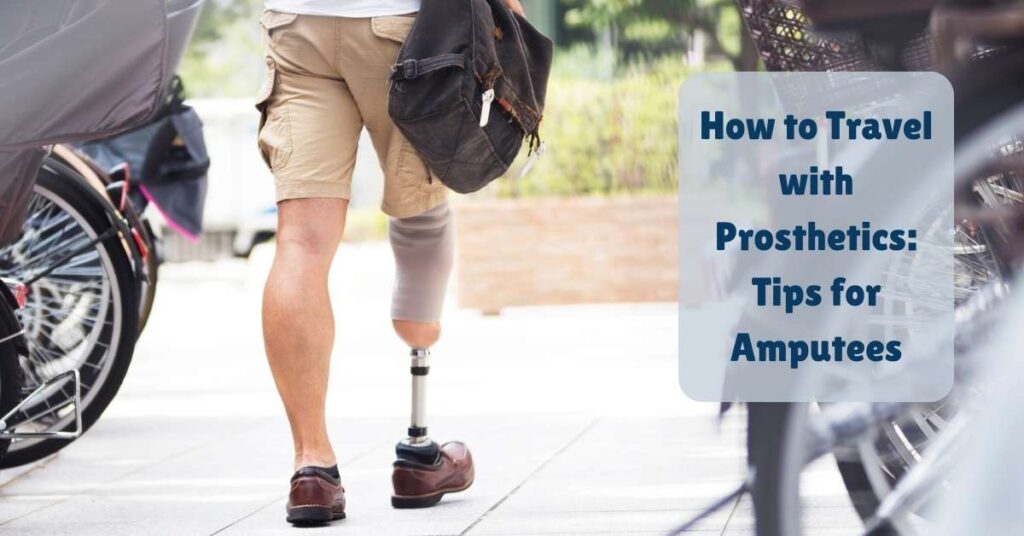
What Is The Difference Between Custom-Made And Prefabricated Orthoses Summary : Choosing an orthosis is not simply about picking a device from a shelf. The right option depends on the body part being supported, the level of correction required, comfort, daily activities, and individual anatomy. This article explains the difference between custom-made and prefabricated orthoses, how they are designed and fitted, where each option may be useful, and how professional assessment can help guide the decision. Orthoses are external devices used to support, align, protect, stabilise, or assist parts of the body. They can be designed for the foot, ankle, knee, spine, hand, wrist, and other areas depending on the user's needs. Some are made specifically for one person, while others are manufactured in standard sizes and supplied ready to use. This is where the difference between custom-made and prefabricated orthoses becomes important. A custom-made orthosis is developed around an individual's anatomy and functional requirements, while a prefabricated orthosis follows a standard design and sizing system. Neither option is automatically suitable for every person. The purpose of the device and the individual's needs should guide the choice. What Are Custom-Made Orthoses? Custom-made orthoses are designed and fabricated for a particular individual. The process generally starts with an assessment of the person's condition, anatomy, movement, functional requirements, and intended use of the device. Depending on the body area and type of orthosis, the practitioner may take measurements, create an impression or cast, or use digital scanning technology. These details are then used to develop an orthosis with the required shape, support, alignment, and control. Customisation can also involve selecting specific materials, joints, straps, padding, or other components. Once the device is produced, it can be checked during fitting and adjusted where necessary to improve comfort and function. Individual Fit And Design One of the main characteristics of a custom-made orthosis is its individual fit. The device is not simply chosen because it matches a standard size. Instead, its dimensions and design are based on the user's anatomy and the clinical purpose of the orthosis. This can be especially useful when a person has unusual anatomy, significant asymmetry, specific pressure-distribution needs, or functional requirements that are difficult to meet with a standard device. Personalised Fabrication Process Custom fabrication usually involves several stages rather than immediate supply. Assessment, design, fabrication, fitting, and follow-up can all form part of the process. This makes it possible to make refinements when required. Cold Weather Care Tips for Prosthetic Wearers Cold weather brings unique challenges for prosthetic wearers, from maintaining comfort to ensuring the prosthetic remains functional and safe. Winter conditions like freezing temperatures, icy paths, and dry air can affect both the residual limb and the prosthetic itself. This guide provides practical tips to help prosthetic wearers stay comfortable, safe, and proactive during the colder months. 1. Keep Your Residual Limb Warm and Protected Cold temperatures can cause the blood vessels in the residual limb to constrict, leading to discomfort, numbness, or reduced circulation. Layer Up Smartly: Wear thermal liners, warm socks, or insulated covers over your residual limb. Materials like fleece or wool can help retain heat. Avoid Prolonged Exposure: Limit time outdoors in freezing weather to prevent frostbite or skin irritation. Use Hand Warmers: Consider placing a safe, gentle heat source, like a hand warmer, near your prosthetic socket (but not in direct contact) to maintain warmth. How to Travel with Prosthetics: Tips for Amputees Traveling is a wonderful way to explore the world, but it can present unique challenges for those with prosthetic limbs. Whether you're traveling by airplane, car, or train, each mode of transportation requires different considerations to ensure comfort, safety, and ease throughout your journey. With proper preparation and planning, traveling with a prosthetic can be a smooth experience. Planning Ahead for Your Trip Proper planning is important when traveling with a prosthetic limb. Whether you’re traveling by air, train, or car, preparing in advance can help you avoid last-minute complications. Here's what you should consider: a) Talk to Your Prosthetist Before embarking on your journey, it's a good idea to check in with your prosthetist. They can perform a quick check on your prosthesis, ensuring everything is in proper working order. If you’re traveling for an extended period, they may recommend taking spare parts like screws or liners, in case repairs are needed while you’re away. b) Carry Necessary Tools and Supplies Before any trip, it’s a good idea to schedule a check-up with your prosthetist to ensure your prosthetic is functioning well. Ask them for advice on what to carry during your trip—such as extra liners, socks, or any necessary adjustment tools. If your prosthetic is likely to encounter extreme weather conditions or heavy use, discuss any special care tips or spare parts to bring. c) Prepare for Temperature Changes If your trip involves significant temperature changes, remember that extreme cold or heat can affect the fit and function of your prosthetic limb. Be prepared with extra liners or socks in case swelling or shrinking occurs due to temperature fluctuations. d) Insurance and Medical Documentation If you’re traveling internationally, consider carrying your medical documentation, such as a letter from your doctor explaining your prosthetic device. It's also wise to check if your health insurance covers you in other countries, especially if your prosthesis requires repairs or adjustments while abroad. Health and Safety Tips for All Forms of Travel No matter how you’re traveling, here are some universal tips to ensure you stay safe, comfortable, and healthy on your journey: a) Maintain Proper Hygiene Traveling can make it difficult to maintain proper hygiene, but it's essential to keep your prosthetic and residual limb clean, especially during long trips. Carry wipes or a portable cleaning solution to regularly clean your prosthetic, particularly in humid or sweaty conditions. b) Hydration and Nutrition Staying hydrated is essential when traveling, especially during long flights or car trips. Dehydration can lead to swelling and discomfort, making it harder for your prosthetic to fit
How Upper Limb Prosthetics Help Improve Mobility and Independence

What Is The Difference Between Custom-Made And Prefabricated Orthoses Summary : Choosing an orthosis is not simply about picking a device from a shelf. The right option depends on the body part being supported, the level of correction required, comfort, daily activities, and individual anatomy. This article explains the difference between custom-made and prefabricated orthoses, how they are designed and fitted, where each option may be useful, and how professional assessment can help guide the decision. Orthoses are external devices used to support, align, protect, stabilise, or assist parts of the body. They can be designed for the foot, ankle, knee, spine, hand, wrist, and other areas depending on the user's needs. Some are made specifically for one person, while others are manufactured in standard sizes and supplied ready to use. This is where the difference between custom-made and prefabricated orthoses becomes important. A custom-made orthosis is developed around an individual's anatomy and functional requirements, while a prefabricated orthosis follows a standard design and sizing system. Neither option is automatically suitable for every person. The purpose of the device and the individual's needs should guide the choice. What Are Custom-Made Orthoses? Custom-made orthoses are designed and fabricated for a particular individual. The process generally starts with an assessment of the person's condition, anatomy, movement, functional requirements, and intended use of the device. Depending on the body area and type of orthosis, the practitioner may take measurements, create an impression or cast, or use digital scanning technology. These details are then used to develop an orthosis with the required shape, support, alignment, and control. Customisation can also involve selecting specific materials, joints, straps, padding, or other components. Once the device is produced, it can be checked during fitting and adjusted where necessary to improve comfort and function. Individual Fit And Design One of the main characteristics of a custom-made orthosis is its individual fit. The device is not simply chosen because it matches a standard size. Instead, its dimensions and design are based on the user's anatomy and the clinical purpose of the orthosis. This can be especially useful when a person has unusual anatomy, significant asymmetry, specific pressure-distribution needs, or functional requirements that are difficult to meet with a standard device. Personalised Fabrication Process Custom fabrication usually involves several stages rather than immediate supply. Assessment, design, fabrication, fitting, and follow-up can all form part of the process. This makes it possible to make refinements when required. Cold Weather Care Tips for Prosthetic Wearers Cold weather brings unique challenges for prosthetic wearers, from maintaining comfort to ensuring the prosthetic remains functional and safe. Winter conditions like freezing temperatures, icy paths, and dry air can affect both the residual limb and the prosthetic itself. This guide provides practical tips to help prosthetic wearers stay comfortable, safe, and proactive during the colder months. 1. Keep Your Residual Limb Warm and Protected Cold temperatures can cause the blood vessels in the residual limb to constrict, leading to discomfort, numbness, or reduced circulation. Layer Up Smartly: Wear thermal liners, warm socks, or insulated covers over your residual limb. Materials like fleece or wool can help retain heat. Avoid Prolonged Exposure: Limit time outdoors in freezing weather to prevent frostbite or skin irritation. Use Hand Warmers: Consider placing a safe, gentle heat source, like a hand warmer, near your prosthetic socket (but not in direct contact) to maintain warmth. How to Prevent Skin Irritation and Sores with Proper Prosthetic Care Living with a prosthetic limb can help restore mobility and independence, but it also comes with the responsibility of proper care. Without the right maintenance and attention, prosthetic users may experience skin irritation, sores, and discomfort. These issues can lead to infections and affect how well the prosthetic functions, so it's important to take preventive measures. In this guide, we’ll walk through practical tips and habits that will help you prevent skin irritation and sores while ensuring that your prosthetic stays comfortable and useful in your daily life. Keep Your Skin Clean and Dry One of the most important steps in preventing skin irritation is maintaining good hygiene. The skin inside the prosthetic socket is often exposed to sweat, friction, and pressure, making it more vulnerable to irritation. Wash your residual limb daily with mild soap and lukewarm water to remove sweat, dirt, and bacteria. After washing, pat the area dry gently with a soft towel. Make sure your skin is completely dry before putting on your prosthetic. Avoid using hot water as it can dry out the skin, making it more prone to cracks and irritation. A clean, dry limb helps reduce the risk of developing blisters, rashes, or skin breakdown, which are common issues among prosthetic users. Choose the Right Socket Liner and Socks The socket liner and prosthetic socks play a critical role in preventing skin irritation. These materials act as a cushion between your skin and the hard parts of the prosthetic, reducing friction and pressure. Socket liners: These are worn inside the prosthetic socket to protect your skin. Make sure to choose one made from a breathable, soft material that fits well. A poorly fitting liner can rub against your skin and cause irritation. Prosthetic socks: Wearing the right sock thickness is essential. Too thin or thick can lead to discomfort and skin issues. Socks help absorb sweat and provide a comfortable fit. Be sure to adjust the thickness of your socks throughout the day, as your limb may swell or shrink slightly. Make sure your socket liner and socks are clean and in good condition. Replace them if they become worn or if they no longer fit properly. Check Your Skin Regularly Performing daily skin checks can help you spot early signs of irritation, blisters, or sores before they become serious problems. After removing your prosthetic, take a few minutes to inspect your skin. Look for areas of redness, swelling, or tenderness. These may indicate that your prosthetic is causing too much pressure in certain areas. Use a mirror
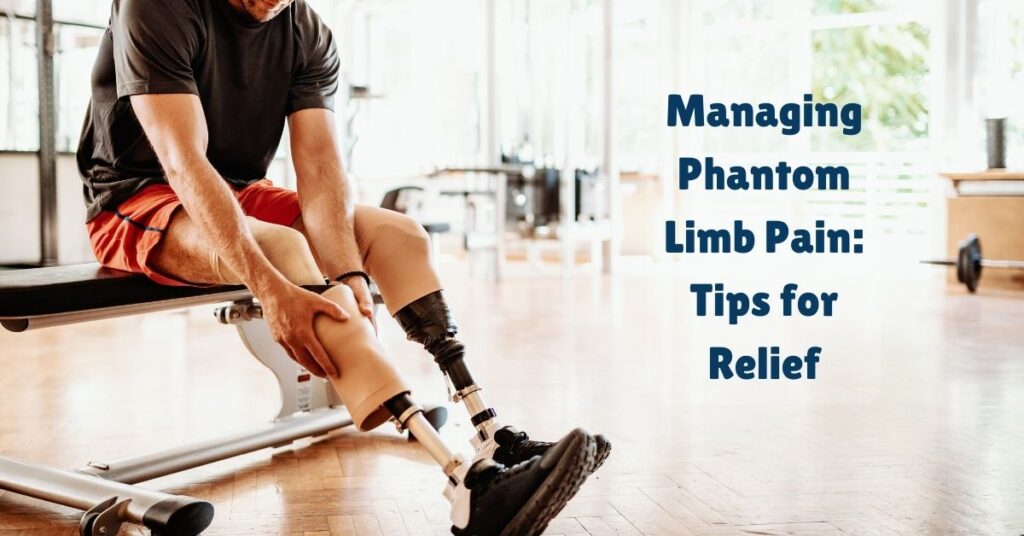
Managing Phantom Limb Pain: Tips for Relief
What Is The Difference Between Custom-Made And Prefabricated Orthoses Summary : Choosing an orthosis is not simply about picking a device from a shelf. The right option depends on the body part being supported, the level of correction required, comfort, daily activities, and individual anatomy. This article explains the difference between custom-made and prefabricated orthoses, how they are designed and fitted, where each option may be useful, and how professional assessment can help guide the decision. Orthoses are external devices used to support, align, protect, stabilise, or assist parts of the body. They can be designed for the foot, ankle, knee, spine, hand, wrist, and other areas depending on the user's needs. Some are made specifically for one person, while others are manufactured in standard sizes and supplied ready to use. This is where the difference between custom-made and prefabricated orthoses becomes important. A custom-made orthosis is developed around an individual's anatomy and functional requirements, while a prefabricated orthosis follows a standard design and sizing system. Neither option is automatically suitable for every person. The purpose of the device and the individual's needs should guide the choice. What Are Custom-Made Orthoses? Custom-made orthoses are designed and fabricated for a particular individual. The process generally starts with an assessment of the person's condition, anatomy, movement, functional requirements, and intended use of the device. Depending on the body area and type of orthosis, the practitioner may take measurements, create an impression or cast, or use digital scanning technology. These details are then used to develop an orthosis with the required shape, support, alignment, and control. Customisation can also involve selecting specific materials, joints, straps, padding, or other components. Once the device is produced, it can be checked during fitting and adjusted where necessary to improve comfort and function. Individual Fit And Design One of the main characteristics of a custom-made orthosis is its individual fit. The device is not simply chosen because it matches a standard size. Instead, its dimensions and design are based on the user's anatomy and the clinical purpose of the orthosis. This can be especially useful when a person has unusual anatomy, significant asymmetry, specific pressure-distribution needs, or functional requirements that are difficult to meet with a standard device. Personalised Fabrication Process Custom fabrication usually involves several stages rather than immediate supply. Assessment, design, fabrication, fitting, and follow-up can all form part of the process. This makes it possible to make refinements when required. Cold Weather Care Tips for Prosthetic Wearers Cold weather brings unique challenges for prosthetic wearers, from maintaining comfort to ensuring the prosthetic remains functional and safe. Winter conditions like freezing temperatures, icy paths, and dry air can affect both the residual limb and the prosthetic itself. This guide provides practical tips to help prosthetic wearers stay comfortable, safe, and proactive during the colder months. 1. Keep Your Residual Limb Warm and Protected Cold temperatures can cause the blood vessels in the residual limb to constrict, leading to discomfort, numbness, or reduced circulation. Layer Up Smartly: Wear thermal liners, warm socks, or insulated covers over your residual limb. Materials like fleece or wool can help retain heat. Avoid Prolonged Exposure: Limit time outdoors in freezing weather to prevent frostbite or skin irritation. Use Hand Warmers: Consider placing a safe, gentle heat source, like a hand warmer, near your prosthetic socket (but not in direct contact) to maintain warmth. How to Prevent Skin Irritation and Sores with Proper Prosthetic Care Living with a prosthetic limb can help restore mobility and independence, but it also comes with the responsibility of proper care. Without the right maintenance and attention, prosthetic users may experience skin irritation, sores, and discomfort. These issues can lead to infections and affect how well the prosthetic functions, so it's important to take preventive measures. In this guide, we’ll walk through practical tips and habits that will help you prevent skin irritation and sores while ensuring that your prosthetic stays comfortable and useful in your daily life. Keep Your Skin Clean and Dry One of the most important steps in preventing skin irritation is maintaining good hygiene. The skin inside the prosthetic socket is often exposed to sweat, friction, and pressure, making it more vulnerable to irritation. Wash your residual limb daily with mild soap and lukewarm water to remove sweat, dirt, and bacteria. After washing, pat the area dry gently with a soft towel. Make sure your skin is completely dry before putting on your prosthetic. Avoid using hot water as it can dry out the skin, making it more prone to cracks and irritation. A clean, dry limb helps reduce the risk of developing blisters, rashes, or skin breakdown, which are common issues among prosthetic users. Choose the Right Socket Liner and Socks The socket liner and prosthetic socks play a critical role in preventing skin irritation. These materials act as a cushion between your skin and the hard parts of the prosthetic, reducing friction and pressure. Socket liners: These are worn inside the prosthetic socket to protect your skin. Make sure to choose one made from a breathable, soft material that fits well. A poorly fitting liner can rub against your skin and cause irritation. Prosthetic socks: Wearing the right sock thickness is essential. Too thin or thick can lead to discomfort and skin issues. Socks help absorb sweat and provide a comfortable fit. Be sure to adjust the thickness of your socks throughout the day, as your limb may swell or shrink slightly. Make sure your socket liner and socks are clean and in good condition. Replace them if they become worn or if they no longer fit properly. Check Your Skin Regularly Performing daily skin checks can help you spot early signs of irritation, blisters, or sores before they become serious problems. After removing your prosthetic, take a few minutes to inspect your skin. Look for areas of redness, swelling, or tenderness. These may indicate that your prosthetic is causing too much pressure in certain areas. Use a mirror
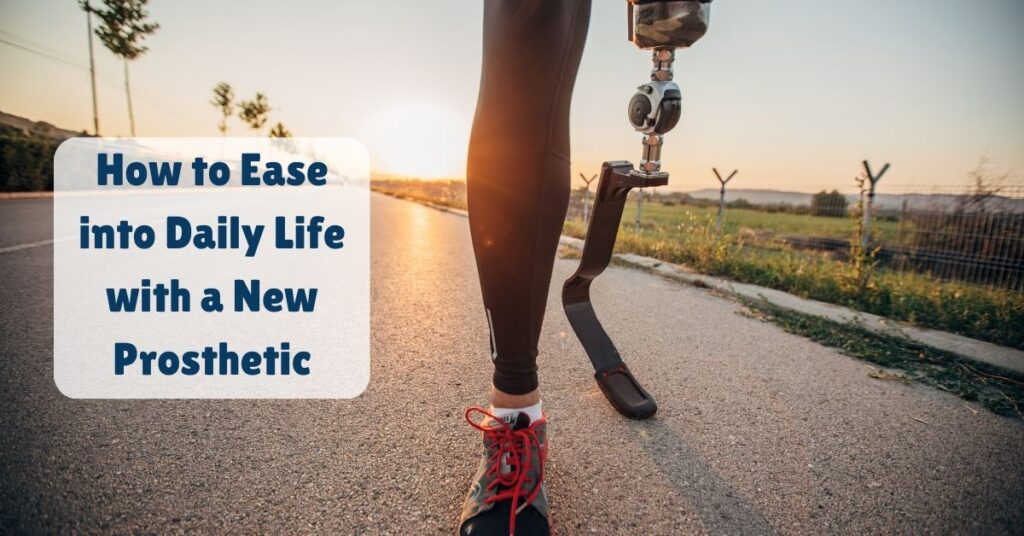
How to Ease into Daily Life with a New Prosthetic
What Is The Difference Between Custom-Made And Prefabricated Orthoses Summary : Choosing an orthosis is not simply about picking a device from a shelf. The right option depends on the body part being supported, the level of correction required, comfort, daily activities, and individual anatomy. This article explains the difference between custom-made and prefabricated orthoses, how they are designed and fitted, where each option may be useful, and how professional assessment can help guide the decision. Orthoses are external devices used to support, align, protect, stabilise, or assist parts of the body. They can be designed for the foot, ankle, knee, spine, hand, wrist, and other areas depending on the user's needs. Some are made specifically for one person, while others are manufactured in standard sizes and supplied ready to use. This is where the difference between custom-made and prefabricated orthoses becomes important. A custom-made orthosis is developed around an individual's anatomy and functional requirements, while a prefabricated orthosis follows a standard design and sizing system. Neither option is automatically suitable for every person. The purpose of the device and the individual's needs should guide the choice. What Are Custom-Made Orthoses? Custom-made orthoses are designed and fabricated for a particular individual. The process generally starts with an assessment of the person's condition, anatomy, movement, functional requirements, and intended use of the device. Depending on the body area and type of orthosis, the practitioner may take measurements, create an impression or cast, or use digital scanning technology. These details are then used to develop an orthosis with the required shape, support, alignment, and control. Customisation can also involve selecting specific materials, joints, straps, padding, or other components. Once the device is produced, it can be checked during fitting and adjusted where necessary to improve comfort and function. Individual Fit And Design One of the main characteristics of a custom-made orthosis is its individual fit. The device is not simply chosen because it matches a standard size. Instead, its dimensions and design are based on the user's anatomy and the clinical purpose of the orthosis. This can be especially useful when a person has unusual anatomy, significant asymmetry, specific pressure-distribution needs, or functional requirements that are difficult to meet with a standard device. Personalised Fabrication Process Custom fabrication usually involves several stages rather than immediate supply. Assessment, design, fabrication, fitting, and follow-up can all form part of the process. This makes it possible to make refinements when required. Cold Weather Care Tips for Prosthetic Wearers Cold weather brings unique challenges for prosthetic wearers, from maintaining comfort to ensuring the prosthetic remains functional and safe. Winter conditions like freezing temperatures, icy paths, and dry air can affect both the residual limb and the prosthetic itself. This guide provides practical tips to help prosthetic wearers stay comfortable, safe, and proactive during the colder months. 1. Keep Your Residual Limb Warm and Protected Cold temperatures can cause the blood vessels in the residual limb to constrict, leading to discomfort, numbness, or reduced circulation. Layer Up Smartly: Wear thermal liners, warm socks, or insulated covers over your residual limb. Materials like fleece or wool can help retain heat. Avoid Prolonged Exposure: Limit time outdoors in freezing weather to prevent frostbite or skin irritation. Use Hand Warmers: Consider placing a safe, gentle heat source, like a hand warmer, near your prosthetic socket (but not in direct contact) to maintain warmth. How to Prevent Skin Irritation and Sores with Proper Prosthetic Care Living with a prosthetic limb can help restore mobility and independence, but it also comes with the responsibility of proper care. Without the right maintenance and attention, prosthetic users may experience skin irritation, sores, and discomfort. These issues can lead to infections and affect how well the prosthetic functions, so it's important to take preventive measures. In this guide, we’ll walk through practical tips and habits that will help you prevent skin irritation and sores while ensuring that your prosthetic stays comfortable and useful in your daily life. Keep Your Skin Clean and Dry One of the most important steps in preventing skin irritation is maintaining good hygiene. The skin inside the prosthetic socket is often exposed to sweat, friction, and pressure, making it more vulnerable to irritation. Wash your residual limb daily with mild soap and lukewarm water to remove sweat, dirt, and bacteria. After washing, pat the area dry gently with a soft towel. Make sure your skin is completely dry before putting on your prosthetic. Avoid using hot water as it can dry out the skin, making it more prone to cracks and irritation. A clean, dry limb helps reduce the risk of developing blisters, rashes, or skin breakdown, which are common issues among prosthetic users. Choose the Right Socket Liner and Socks The socket liner and prosthetic socks play a critical role in preventing skin irritation. These materials act as a cushion between your skin and the hard parts of the prosthetic, reducing friction and pressure. Socket liners: These are worn inside the prosthetic socket to protect your skin. Make sure to choose one made from a breathable, soft material that fits well. A poorly fitting liner can rub against your skin and cause irritation. Prosthetic socks: Wearing the right sock thickness is essential. Too thin or thick can lead to discomfort and skin issues. Socks help absorb sweat and provide a comfortable fit. Be sure to adjust the thickness of your socks throughout the day, as your limb may swell or shrink slightly. Make sure your socket liner and socks are clean and in good condition. Replace them if they become worn or if they no longer fit properly. Check Your Skin Regularly Performing daily skin checks can help you spot early signs of irritation, blisters, or sores before they become serious problems. After removing your prosthetic, take a few minutes to inspect your skin. Look for areas of redness, swelling, or tenderness. These may indicate that your prosthetic is causing too much pressure in certain areas. Use a mirror
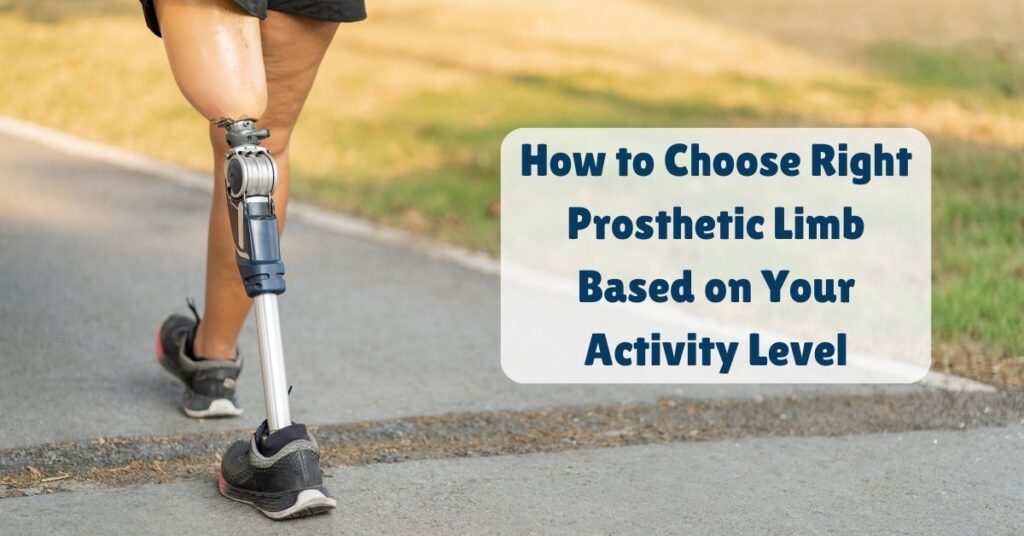
How to Choose Right Prosthetic Limb Based on Your Activity Level
What Is The Difference Between Custom-Made And Prefabricated Orthoses Summary : Choosing an orthosis is not simply about picking a device from a shelf. The right option depends on the body part being supported, the level of correction required, comfort, daily activities, and individual anatomy. This article explains the difference between custom-made and prefabricated orthoses, how they are designed and fitted, where each option may be useful, and how professional assessment can help guide the decision. Orthoses are external devices used to support, align, protect, stabilise, or assist parts of the body. They can be designed for the foot, ankle, knee, spine, hand, wrist, and other areas depending on the user's needs. Some are made specifically for one person, while others are manufactured in standard sizes and supplied ready to use. This is where the difference between custom-made and prefabricated orthoses becomes important. A custom-made orthosis is developed around an individual's anatomy and functional requirements, while a prefabricated orthosis follows a standard design and sizing system. Neither option is automatically suitable for every person. The purpose of the device and the individual's needs should guide the choice. What Are Custom-Made Orthoses? Custom-made orthoses are designed and fabricated for a particular individual. The process generally starts with an assessment of the person's condition, anatomy, movement, functional requirements, and intended use of the device. Depending on the body area and type of orthosis, the practitioner may take measurements, create an impression or cast, or use digital scanning technology. These details are then used to develop an orthosis with the required shape, support, alignment, and control. Customisation can also involve selecting specific materials, joints, straps, padding, or other components. Once the device is produced, it can be checked during fitting and adjusted where necessary to improve comfort and function. Individual Fit And Design One of the main characteristics of a custom-made orthosis is its individual fit. The device is not simply chosen because it matches a standard size. Instead, its dimensions and design are based on the user's anatomy and the clinical purpose of the orthosis. This can be especially useful when a person has unusual anatomy, significant asymmetry, specific pressure-distribution needs, or functional requirements that are difficult to meet with a standard device. Personalised Fabrication Process Custom fabrication usually involves several stages rather than immediate supply. Assessment, design, fabrication, fitting, and follow-up can all form part of the process. This makes it possible to make refinements when required. Cold Weather Care Tips for Prosthetic Wearers Cold weather brings unique challenges for prosthetic wearers, from maintaining comfort to ensuring the prosthetic remains functional and safe. Winter conditions like freezing temperatures, icy paths, and dry air can affect both the residual limb and the prosthetic itself. This guide provides practical tips to help prosthetic wearers stay comfortable, safe, and proactive during the colder months. 1. Keep Your Residual Limb Warm and Protected Cold temperatures can cause the blood vessels in the residual limb to constrict, leading to discomfort, numbness, or reduced circulation. Layer Up Smartly: Wear thermal liners, warm socks, or insulated covers over your residual limb. Materials like fleece or wool can help retain heat. Avoid Prolonged Exposure: Limit time outdoors in freezing weather to prevent frostbite or skin irritation. Use Hand Warmers: Consider placing a safe, gentle heat source, like a hand warmer, near your prosthetic socket (but not in direct contact) to maintain warmth. How to Prevent Skin Irritation and Sores with Proper Prosthetic Care Living with a prosthetic limb can help restore mobility and independence, but it also comes with the responsibility of proper care. Without the right maintenance and attention, prosthetic users may experience skin irritation, sores, and discomfort. These issues can lead to infections and affect how well the prosthetic functions, so it's important to take preventive measures. In this guide, we’ll walk through practical tips and habits that will help you prevent skin irritation and sores while ensuring that your prosthetic stays comfortable and useful in your daily life. Keep Your Skin Clean and Dry One of the most important steps in preventing skin irritation is maintaining good hygiene. The skin inside the prosthetic socket is often exposed to sweat, friction, and pressure, making it more vulnerable to irritation. Wash your residual limb daily with mild soap and lukewarm water to remove sweat, dirt, and bacteria. After washing, pat the area dry gently with a soft towel. Make sure your skin is completely dry before putting on your prosthetic. Avoid using hot water as it can dry out the skin, making it more prone to cracks and irritation. A clean, dry limb helps reduce the risk of developing blisters, rashes, or skin breakdown, which are common issues among prosthetic users. Choose the Right Socket Liner and Socks The socket liner and prosthetic socks play a critical role in preventing skin irritation. These materials act as a cushion between your skin and the hard parts of the prosthetic, reducing friction and pressure. Socket liners: These are worn inside the prosthetic socket to protect your skin. Make sure to choose one made from a breathable, soft material that fits well. A poorly fitting liner can rub against your skin and cause irritation. Prosthetic socks: Wearing the right sock thickness is essential. Too thin or thick can lead to discomfort and skin issues. Socks help absorb sweat and provide a comfortable fit. Be sure to adjust the thickness of your socks throughout the day, as your limb may swell or shrink slightly. Make sure your socket liner and socks are clean and in good condition. Replace them if they become worn or if they no longer fit properly. Check Your Skin Regularly Performing daily skin checks can help you spot early signs of irritation, blisters, or sores before they become serious problems. After removing your prosthetic, take a few minutes to inspect your skin. Look for areas of redness, swelling, or tenderness. These may indicate that your prosthetic is causing too much pressure in certain areas. Use a mirror
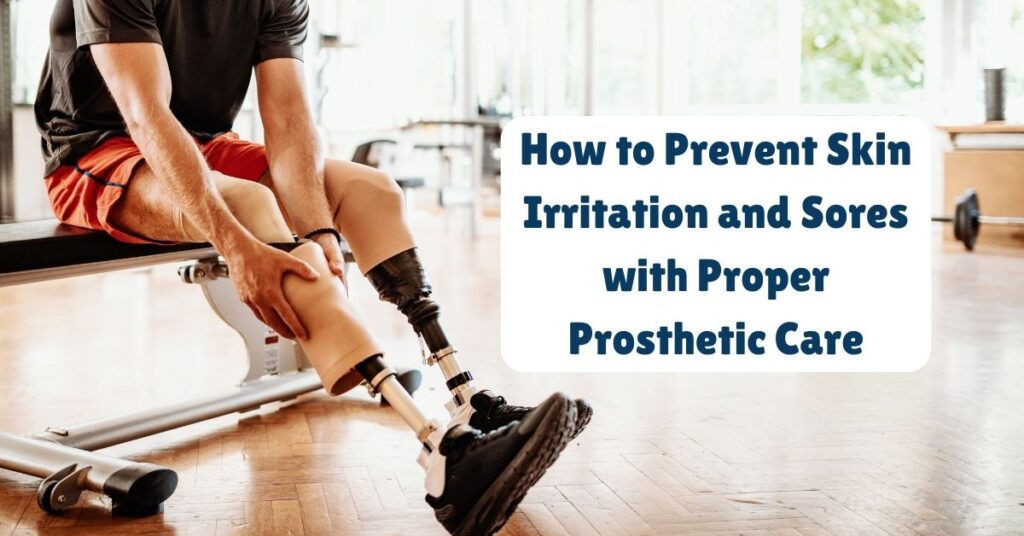
How to Prevent Skin Irritation and Sores with Proper Prosthetic Care
What Is The Difference Between Custom-Made And Prefabricated Orthoses Summary : Choosing an orthosis is not simply about picking a device from a shelf. The right option depends on the body part being supported, the level of correction required, comfort, daily activities, and individual anatomy. This article explains the difference between custom-made and prefabricated orthoses, how they are designed and fitted, where each option may be useful, and how professional assessment can help guide the decision. Orthoses are external devices used to support, align, protect, stabilise, or assist parts of the body. They can be designed for the foot, ankle, knee, spine, hand, wrist, and other areas depending on the user's needs. Some are made specifically for one person, while others are manufactured in standard sizes and supplied ready to use. This is where the difference between custom-made and prefabricated orthoses becomes important. A custom-made orthosis is developed around an individual's anatomy and functional requirements, while a prefabricated orthosis follows a standard design and sizing system. Neither option is automatically suitable for every person. The purpose of the device and the individual's needs should guide the choice. What Are Custom-Made Orthoses? Custom-made orthoses are designed and fabricated for a particular individual. The process generally starts with an assessment of the person's condition, anatomy, movement, functional requirements, and intended use of the device. Depending on the body area and type of orthosis, the practitioner may take measurements, create an impression or cast, or use digital scanning technology. These details are then used to develop an orthosis with the required shape, support, alignment, and control. Customisation can also involve selecting specific materials, joints, straps, padding, or other components. Once the device is produced, it can be checked during fitting and adjusted where necessary to improve comfort and function. Individual Fit And Design One of the main characteristics of a custom-made orthosis is its individual fit. The device is not simply chosen because it matches a standard size. Instead, its dimensions and design are based on the user's anatomy and the clinical purpose of the orthosis. This can be especially useful when a person has unusual anatomy, significant asymmetry, specific pressure-distribution needs, or functional requirements that are difficult to meet with a standard device. Personalised Fabrication Process Custom fabrication usually involves several stages rather than immediate supply. Assessment, design, fabrication, fitting, and follow-up can all form part of the process. This makes it possible to make refinements when required. Cold Weather Care Tips for Prosthetic Wearers Cold weather brings unique challenges for prosthetic wearers, from maintaining comfort to ensuring the prosthetic remains functional and safe. Winter conditions like freezing temperatures, icy paths, and dry air can affect both the residual limb and the prosthetic itself. This guide provides practical tips to help prosthetic wearers stay comfortable, safe, and proactive during the colder months. 1. Keep Your Residual Limb Warm and Protected Cold temperatures can cause the blood vessels in the residual limb to constrict, leading to discomfort, numbness, or reduced circulation. Layer Up Smartly: Wear thermal liners, warm socks, or insulated covers over your residual limb. Materials like fleece or wool can help retain heat. Avoid Prolonged Exposure: Limit time outdoors in freezing weather to prevent frostbite or skin irritation. Use Hand Warmers: Consider placing a safe, gentle heat source, like a hand warmer, near your prosthetic socket (but not in direct contact) to maintain warmth. How to Prevent Skin Irritation and Sores with Proper Prosthetic Care Living with a prosthetic limb can help restore mobility and independence, but it also comes with the responsibility of proper care. Without the right maintenance and attention, prosthetic users may experience skin irritation, sores, and discomfort. These issues can lead to infections and affect how well the prosthetic functions, so it's important to take preventive measures. In this guide, we’ll walk through practical tips and habits that will help you prevent skin irritation and sores while ensuring that your prosthetic stays comfortable and useful in your daily life. Keep Your Skin Clean and Dry One of the most important steps in preventing skin irritation is maintaining good hygiene. The skin inside the prosthetic socket is often exposed to sweat, friction, and pressure, making it more vulnerable to irritation. Wash your residual limb daily with mild soap and lukewarm water to remove sweat, dirt, and bacteria. After washing, pat the area dry gently with a soft towel. Make sure your skin is completely dry before putting on your prosthetic. Avoid using hot water as it can dry out the skin, making it more prone to cracks and irritation. A clean, dry limb helps reduce the risk of developing blisters, rashes, or skin breakdown, which are common issues among prosthetic users. Choose the Right Socket Liner and Socks The socket liner and prosthetic socks play a critical role in preventing skin irritation. These materials act as a cushion between your skin and the hard parts of the prosthetic, reducing friction and pressure. Socket liners: These are worn inside the prosthetic socket to protect your skin. Make sure to choose one made from a breathable, soft material that fits well. A poorly fitting liner can rub against your skin and cause irritation. Prosthetic socks: Wearing the right sock thickness is essential. Too thin or thick can lead to discomfort and skin issues. Socks help absorb sweat and provide a comfortable fit. Be sure to adjust the thickness of your socks throughout the day, as your limb may swell or shrink slightly. Make sure your socket liner and socks are clean and in good condition. Replace them if they become worn or if they no longer fit properly. Check Your Skin Regularly Performing daily skin checks can help you spot early signs of irritation, blisters, or sores before they become serious problems. After removing your prosthetic, take a few minutes to inspect your skin. Look for areas of redness, swelling, or tenderness. These may indicate that your prosthetic is causing too much pressure in certain areas. Use a mirror
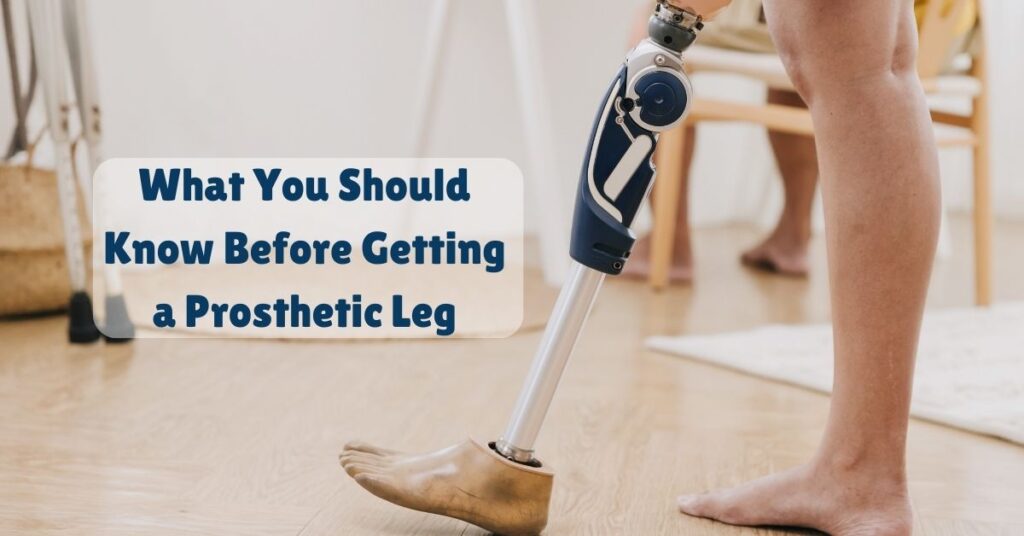
What You Should Know Before Getting a Prosthetic Leg
What Is The Difference Between Custom-Made And Prefabricated Orthoses Summary : Choosing an orthosis is not simply about picking a device from a shelf. The right option depends on the body part being supported, the level of correction required, comfort, daily activities, and individual anatomy. This article explains the difference between custom-made and prefabricated orthoses, how they are designed and fitted, where each option may be useful, and how professional assessment can help guide the decision. Orthoses are external devices used to support, align, protect, stabilise, or assist parts of the body. They can be designed for the foot, ankle, knee, spine, hand, wrist, and other areas depending on the user's needs. Some are made specifically for one person, while others are manufactured in standard sizes and supplied ready to use. This is where the difference between custom-made and prefabricated orthoses becomes important. A custom-made orthosis is developed around an individual's anatomy and functional requirements, while a prefabricated orthosis follows a standard design and sizing system. Neither option is automatically suitable for every person. The purpose of the device and the individual's needs should guide the choice. What Are Custom-Made Orthoses? Custom-made orthoses are designed and fabricated for a particular individual. The process generally starts with an assessment of the person's condition, anatomy, movement, functional requirements, and intended use of the device. Depending on the body area and type of orthosis, the practitioner may take measurements, create an impression or cast, or use digital scanning technology. These details are then used to develop an orthosis with the required shape, support, alignment, and control. Customisation can also involve selecting specific materials, joints, straps, padding, or other components. Once the device is produced, it can be checked during fitting and adjusted where necessary to improve comfort and function. Individual Fit And Design One of the main characteristics of a custom-made orthosis is its individual fit. The device is not simply chosen because it matches a standard size. Instead, its dimensions and design are based on the user's anatomy and the clinical purpose of the orthosis. This can be especially useful when a person has unusual anatomy, significant asymmetry, specific pressure-distribution needs, or functional requirements that are difficult to meet with a standard device. Personalised Fabrication Process Custom fabrication usually involves several stages rather than immediate supply. Assessment, design, fabrication, fitting, and follow-up can all form part of the process. This makes it possible to make refinements when required. Cold Weather Care Tips for Prosthetic Wearers Cold weather brings unique challenges for prosthetic wearers, from maintaining comfort to ensuring the prosthetic remains functional and safe. Winter conditions like freezing temperatures, icy paths, and dry air can affect both the residual limb and the prosthetic itself. This guide provides practical tips to help prosthetic wearers stay comfortable, safe, and proactive during the colder months. 1. Keep Your Residual Limb Warm and Protected Cold temperatures can cause the blood vessels in the residual limb to constrict, leading to discomfort, numbness, or reduced circulation. Layer Up Smartly: Wear thermal liners, warm socks, or insulated covers over your residual limb. Materials like fleece or wool can help retain heat. Avoid Prolonged Exposure: Limit time outdoors in freezing weather to prevent frostbite or skin irritation. Use Hand Warmers: Consider placing a safe, gentle heat source, like a hand warmer, near your prosthetic socket (but not in direct contact) to maintain warmth. What You Should Know Before Getting a Prosthetic Leg The decision to get a prosthetic leg is a significant one, and it can be both exciting and overwhelming. A prosthetic limb can help restore your mobility and independence, but there are important things you should know before starting this journey. Understanding the process, what to expect, and how to prepare will help you adjust to life with a prosthetic leg. In this article, we’ll cover the key things you should consider before getting a prosthetic leg. Understanding the Types of Prosthetic Legs Prosthetic legs come in different types, each designed to suit different lifestyles, levels of mobility, and activities. It’s important to know the basic types before making your decision: Below-the-Knee (Transtibial) Prosthetics: These prosthetics replace the lower part of the leg, below the knee. They offer a wide range of mobility and are easier to adapt to since the knee joint remains functional. Above-the-Knee (Transfemoral) Prosthetics: These prosthetics replace the entire leg above the knee. Since they involve an artificial knee joint, they may require more time to get used to. Microprocessor-Controlled Prosthetics: These are advanced prosthetics with computerized systems that help improve movement and balance. While more expensive, they offer greater ease for walking and moving naturally. Activity-Specific Prosthetics: Some prosthetic legs are designed for specific activities, like running or swimming. If you have a particular sport or activity you enjoy, this could be a good option for you. The Fitting Process Getting a prosthetic leg isn’t just about choosing a type – the fitting process is critical to ensure comfort and functionality. You will work with a prosthetist, a healthcare professional who specializes in creating and fitting prosthetic limbs. Here’s what to expect during the fitting process: Initial Evaluation: Your prosthetist will evaluate your residual limb (the remaining part of your leg) to ensure a proper fit. They will also ask questions about your lifestyle, activity level, and goals to help determine the best prosthetic for you. Casting: Your prosthetist will take a mold or digital scan of your residual limb to create a socket. The socket is the part of the prosthetic that fits over your limb, and it must be customized for comfort. Test Socket: Before the final prosthetic leg is made, you’ll receive a test socket to wear. This temporary fitting helps ensure the final version is comfortable and functional. Final Prosthesis: Once the fitting is complete, you will receive your permanent prosthetic leg. However, adjustments may be needed as you begin using it. How Many Hours Can You Wear A Prosthetic Leg? The number of hours you can wear
How to Choose the Right Prosthetic for First-Time Users
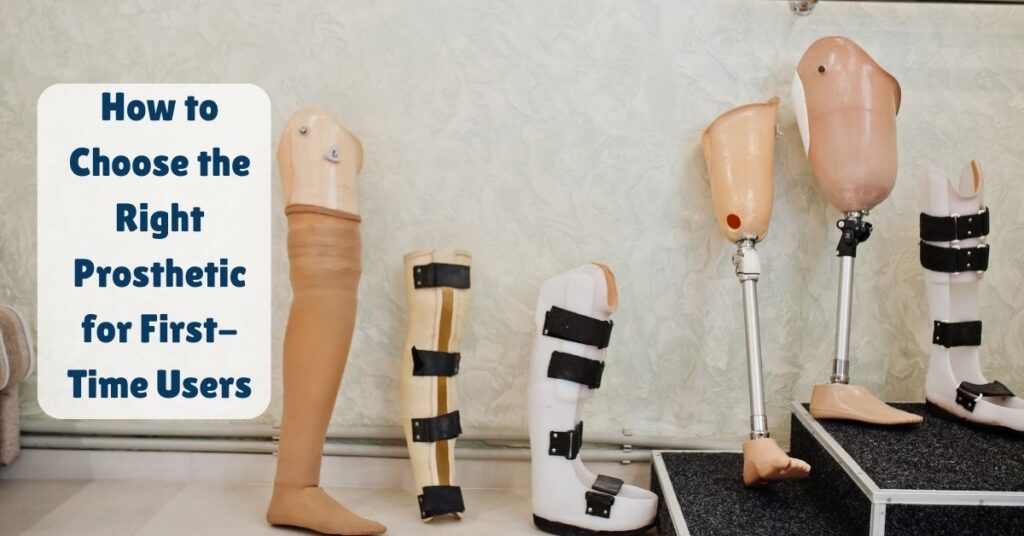
What Is The Difference Between Custom-Made And Prefabricated Orthoses Summary : Choosing an orthosis is not simply about picking a device from a shelf. The right option depends on the body part being supported, the level of correction required, comfort, daily activities, and individual anatomy. This article explains the difference between custom-made and prefabricated orthoses, how they are designed and fitted, where each option may be useful, and how professional assessment can help guide the decision. Orthoses are external devices used to support, align, protect, stabilise, or assist parts of the body. They can be designed for the foot, ankle, knee, spine, hand, wrist, and other areas depending on the user's needs. Some are made specifically for one person, while others are manufactured in standard sizes and supplied ready to use. This is where the difference between custom-made and prefabricated orthoses becomes important. A custom-made orthosis is developed around an individual's anatomy and functional requirements, while a prefabricated orthosis follows a standard design and sizing system. Neither option is automatically suitable for every person. The purpose of the device and the individual's needs should guide the choice. What Are Custom-Made Orthoses? Custom-made orthoses are designed and fabricated for a particular individual. The process generally starts with an assessment of the person's condition, anatomy, movement, functional requirements, and intended use of the device. Depending on the body area and type of orthosis, the practitioner may take measurements, create an impression or cast, or use digital scanning technology. These details are then used to develop an orthosis with the required shape, support, alignment, and control. Customisation can also involve selecting specific materials, joints, straps, padding, or other components. Once the device is produced, it can be checked during fitting and adjusted where necessary to improve comfort and function. Individual Fit And Design One of the main characteristics of a custom-made orthosis is its individual fit. The device is not simply chosen because it matches a standard size. Instead, its dimensions and design are based on the user's anatomy and the clinical purpose of the orthosis. This can be especially useful when a person has unusual anatomy, significant asymmetry, specific pressure-distribution needs, or functional requirements that are difficult to meet with a standard device. Personalised Fabrication Process Custom fabrication usually involves several stages rather than immediate supply. Assessment, design, fabrication, fitting, and follow-up can all form part of the process. This makes it possible to make refinements when required. Cold Weather Care Tips for Prosthetic Wearers Cold weather brings unique challenges for prosthetic wearers, from maintaining comfort to ensuring the prosthetic remains functional and safe. Winter conditions like freezing temperatures, icy paths, and dry air can affect both the residual limb and the prosthetic itself. This guide provides practical tips to help prosthetic wearers stay comfortable, safe, and proactive during the colder months. 1. Keep Your Residual Limb Warm and Protected Cold temperatures can cause the blood vessels in the residual limb to constrict, leading to discomfort, numbness, or reduced circulation. Layer Up Smartly: Wear thermal liners, warm socks, or insulated covers over your residual limb. Materials like fleece or wool can help retain heat. Avoid Prolonged Exposure: Limit time outdoors in freezing weather to prevent frostbite or skin irritation. Use Hand Warmers: Consider placing a safe, gentle heat source, like a hand warmer, near your prosthetic socket (but not in direct contact) to maintain warmth. How to Choose the Right Prosthetic for First-Time Users Choosing a prosthetic limb for the first time is a life-changing decision that can significantly impact your mobility, independence, and overall well-being. This journey often comes with mixed emotions—hope, uncertainty, and even apprehension. For many, it marks the beginning of adapting to a new way of life, which can feel both empowering and daunting. With so many options and factors to consider, from functionality to comfort and cost, it’s natural to feel overwhelmed. However, with the right guidance and support, you can navigate this process confidently. A well-chosen prosthetic can not only restore physical functionality but also enhance your emotional and social well-being, enabling you to live a fulfilling life. This guide is designed to simplify the process, offering practical advice and insights to help first-time users select the prosthetic limb that best suits their needs and lifestyle. Understanding the Basics of Prosthetics A prosthetic limb is more than just a replacement for a missing limb—it is a custom-designed device that restores functionality and helps individuals regain independence and confidence. Each prosthetic is unique, tailored to suit the specific needs, activities, and goals of the user. Understanding the basics of prosthetics can make the process of choosing the right one easier and less intimidating. Whether you’re looking for a prosthetic to enhance mobility, perform specific tasks, or simply restore a natural appearance, knowing the available options and their purposes is the first step. Types of Prosthetic Limbs Prosthetic limbs are designed to meet a variety of needs, and they can be broadly categorized into four main types: Lower Limb Prosthetics:These prosthetics are created for individuals with below or above-knee amputations. They are essential for mobility, helping users walk, run, and engage in various physical activities. From basic walking to high-performance running blades for athletes, lower limb prosthetics come in many forms to match different lifestyles and activity levels. Upper Limb Prosthetics:Upper limb prosthetics replace missing arms, hands, or fingers, enabling users to perform tasks like gripping, lifting, and even fine motor movements. They range from simple designs for basic functions to advanced models with articulated fingers and responsive movements. Cosmetic Prosthetics:Designed primarily for appearance, cosmetic prosthetics focus on restoring the natural look of a missing limb. While they may not offer much functionality, they are highly detailed and customized to match the user’s skin tone, shape, and other physical attributes, providing a sense of normalcy. Bionic or Myoelectric Prosthetics:These advanced prosthetics use electrical signals from the user’s muscles to power precise and natural movements. Ideal for those seeking both functionality and high-tech features, bionic limbs can perform