What Is The Difference Between Custom-Made And Prefabricated Orthoses
Summary : Choosing an orthosis is not simply about picking a device from a shelf. The right option depends on the body part being supported, the level of correction required, comfort, daily activities, and individual anatomy. This article explains the difference between custom-made and prefabricated orthoses, how they are designed and fitted, where each option may be useful, and how professional assessment can help guide the decision.
Orthoses are external devices used to support, align, protect, stabilise, or assist parts of the body. They can be designed for the foot, ankle, knee, spine, hand, wrist, and other areas depending on the user's needs. Some are made specifically for one person, while others are manufactured in standard sizes and supplied ready to use.
This is where the difference between custom-made and prefabricated orthoses becomes important. A custom-made orthosis is developed around an individual's anatomy and functional requirements, while a prefabricated orthosis follows a standard design and sizing system. Neither option is automatically suitable for every person. The purpose of the device and the individual's needs should guide the choice.
What Are Custom-Made Orthoses?
Custom-made orthoses are designed and fabricated for a particular individual. The process generally starts with an assessment of the person's condition, anatomy, movement, functional requirements, and intended use of the device.
Depending on the body area and type of orthosis, the practitioner may take measurements, create an impression or cast, or use digital scanning technology. These details are then used to develop an orthosis with the required shape, support, alignment, and control.
Customisation can also involve selecting specific materials, joints, straps, padding, or other components. Once the device is produced, it can be checked during fitting and adjusted where necessary to improve comfort and function.
Individual Fit And Design
One of the main characteristics of a custom-made orthosis is its individual fit. The device is not simply chosen because it matches a standard size. Instead, its dimensions and design are based on the user's anatomy and the clinical purpose of the orthosis.
This can be especially useful when a person has unusual anatomy, significant asymmetry, specific pressure-distribution needs, or functional requirements that are difficult to meet with a standard device.
Personalised Fabrication Process
Custom fabrication usually involves several stages rather than immediate supply. Assessment, design, fabrication, fitting, and follow-up can all form part of the process. This makes it possible to make refinements when required.
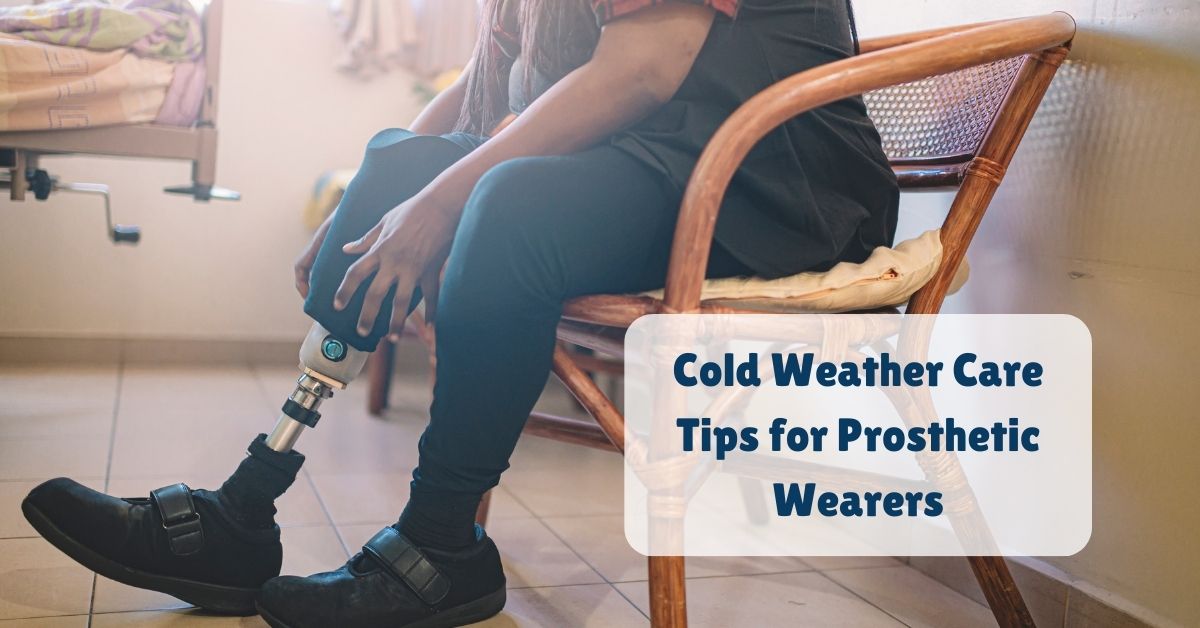
Cold Weather Care Tips for Prosthetic Wearers
Cold weather brings unique challenges for prosthetic wearers, from maintaining comfort to ensuring the prosthetic remains functional and safe. Winter conditions like freezing temperatures, icy paths, and dry air can affect both the residual limb and the prosthetic itself. This guide provides practical tips to help prosthetic wearers stay comfortable, safe, and proactive during the colder months.
1. Keep Your Residual Limb Warm and Protected
Cold temperatures can cause the blood vessels in the residual limb to constrict, leading to discomfort, numbness, or reduced circulation.
- Layer Up Smartly: Wear thermal liners, warm socks, or insulated covers over your residual limb. Materials like fleece or wool can help retain heat.
- Avoid Prolonged Exposure: Limit time outdoors in freezing weather to prevent frostbite or skin irritation.
- Use Hand Warmers: Consider placing a safe, gentle heat source, like a hand warmer, near your prosthetic socket (but not in direct contact) to maintain warmth.
2. Manage Skin Health and Hydration
Winter weather can dry out your skin, making it more prone to irritation and cracking.
- Moisturize Regularly: Apply a fragrance-free, hypoallergenic moisturizer to your residual limb to prevent dryness. Avoid moisturizers that leave a greasy residue, as they can affect the prosthetic’s fit.
- Inspect Daily: Check your skin for redness, blisters, or irritation caused by cold weather or the prosthetic’s fit. Address any issues promptly with your prosthetist.
- Stay Hydrated: Drink plenty of water to keep your skin hydrated from the inside out, even if you’re less thirsty in colder weather.
3. Adjust Your Prosthetic for Fit
Cold weather can cause the residual limb to shrink slightly due to reduced circulation, which may affect the prosthetic’s fit.
- Monitor Fit Regularly: If the prosthetic feels loose, use additional socks or liners as needed to improve comfort.
- Keep Adjustments Handy: Carry spare liners or padding when traveling in winter to adjust on the go.
- Consult Your Prosthetist: If you notice persistent discomfort or changes in fit, schedule a visit for adjustments or modifications.
4. Protect Your Prosthetic from Moisture and Cold
Winter conditions like snow, ice, and salt can damage your prosthetic if not properly managed.
- Use Protective Covers: Invest in waterproof or insulated covers designed to protect prosthetics from moisture and cold.
- Clean Regularly: After exposure to snow or slush, wipe down the prosthetic to prevent rust, corrosion, or salt buildup.
- Check Moving Parts: Cold temperatures can make the joints and other moving parts of your prosthetic stiff. Lubricate these areas as recommended by your prosthetist.
5. Take Precautions Against Slips and Falls
Icy and snowy surfaces increase the risk of falls, which can be particularly harmful for prosthetic wearers.
- Choose the Right Footwear: Opt for shoes or boots with excellent traction and nonslip soles.
- Use Ice Grips: Attach ice grips or cleats to your footwear for added stability on icy paths.
- Plan Your Routes: Stick to cleared sidewalks and avoid steep or uneven surfaces during winter outings.
6. Stay Active Indoors
Winter may limit outdoor activities, but staying active is crucial for overall health and maintaining strength.
- Indoor Exercises: Engage in stretching, yoga, or light resistance training indoors to keep your muscles active.
- Physical Therapy: Continue regular physical therapy sessions to maintain mobility and flexibility in your residual limb.
- Avoid Sedentary Habits: Long periods of inactivity can cause stiffness or swelling in the residual limb. Take breaks to stretch and move around.
7. Plan Ahead for Winter Travel
Traveling during winter can be stressful, especially for prosthetic wearers.
- Pack Essentials: Carry extra socks, liners, and repair tools when traveling to cold regions.
- Avoid Prolonged Sitting: If traveling by plane or car, take regular breaks to stretch and move your limbs.
- Know Local Resources: Research prosthetists or clinics at your destination in case you need assistance during your trip.
8. Address Emotional Well-Being
Winter can also bring emotional challenges, such as seasonal affective disorder (SAD), which may affect prosthetic wearers adjusting to life changes.
- Stay Connected: Engage with family, friends, or support groups for encouragement and advice.
- Practice Self-Care: Spend time on hobbies, meditation, or other activities that bring joy and relaxation.
- Seek Support: If feelings of isolation or sadness persist, consult a therapist or counselor for support.
9. Be Proactive with Prosthetic Maintenance
Routine maintenance becomes even more critical during winter to ensure the prosthetic remains functional.
- Inspect for Wear and Tear: Check your prosthetic for cracks, rust, or stiffness caused by cold weather.
- Follow Manufacturer Guidelines: Use lubricants or protective sprays recommended by the manufacturer to maintain parts in top condition.
- Schedule a Winter Check-Up: Have your prosthetist inspect your device before the peak winter months.
10. Dress for Comfort and Safety
The right clothing can make a big difference in staying comfortable and safe.
- Choose Thermal Layers: Wear thermal leggings, arm warmers, or long socks to keep prosthetic areas warm.
- Avoid Overheating: Dress in layers to easily adjust your clothing when transitioning between indoor and outdoor environments.
Stay Safe and Take Care of Your Prosthetics
Winter weather poses unique challenges for prosthetic wearers, but with proper preparation and care, you can enjoy the season safely and comfortably. Focus on protecting your residual limb, maintaining the prosthetic’s functionality, and staying active indoors. By taking proactive steps, you’ll ensure that cold weather doesn’t hinder your mobility or quality of life. Remember to communicate regularly with your prosthetist and address any concerns promptly for a worry-free winter experience.
Always consult with a qualified healthcare provider or prosthetist regarding any concerns or questions about your prosthetic limb and its usage. Individual needs and circumstances may vary, and a healthcare professional can provide personalized guidance tailored to your specific situation.
Adjusting your prosthetic limb is a normal part of living with one, and recognizing the signs early can save you from unnecessary discomfort or reduced mobility. Pay attention to your body and your prosthetic to ensure they work together seamlessly. By addressing these issues promptly and maintaining regular contact with your prosthetist, you can continue to enjoy a comfortable, active, and independent lifestyle.
Always consult with a qualified healthcare provider or prosthetist regarding any concerns or questions about your prosthetic limb and its usage. Individual needs and circumstances may vary, and a healthcare professional can provide personalized guidance tailored to your specific situation.
Looking for a dependable orthotic components supplier in India for your specific requirements? Contact us today to discuss your application, product needs, and fabrication requirements with our team. Let’s work together to support better orthotic solutions from the very first component.
Frequently Asked Questions
What Is The Main Difference Between Custom-Made And Prefabricated Orthoses?
Custom-made orthoses are designed and fabricated for an individual using their measurements, anatomy, and functional requirements. Prefabricated orthoses are manufactured in standard designs and sizes and are selected from available options based on the user's needs.
Are Prefabricated Orthoses Effective?
Yes, prefabricated orthoses can be effective when their design, size, and support characteristics are appropriate for the person's condition and intended use. Their effectiveness depends on the individual application rather than simply being labelled as prefabricated.
Are Custom-Made Orthoses Always Better?
No. Custom-made orthoses are not automatically better for every user or condition. Research in areas such as plantar heel pain has not consistently demonstrated a clear advantage of custom foot orthoses over prefabricated alternatives for all outcomes.
How Are Custom Orthoses Made?
Custom orthoses are usually developed after an individual assessment. Depending on the device, the process may involve measurements, casting, impressions, or digital scanning, followed by design, fabrication, fitting, and adjustments.
Who Can Help Select The Right Orthosis?
A qualified orthotic professional or appropriate healthcare professional can assess the person's condition, anatomy, movement, activity requirements, and intended use before recommending a suitable orthotic solution.