What Is The Difference Between Custom-Made And Prefabricated Orthoses
Summary : Choosing an orthosis is not simply about picking a device from a shelf. The right option depends on the body part being supported, the level of correction required, comfort, daily activities, and individual anatomy. This article explains the difference between custom-made and prefabricated orthoses, how they are designed and fitted, where each option may be useful, and how professional assessment can help guide the decision.
Orthoses are external devices used to support, align, protect, stabilise, or assist parts of the body. They can be designed for the foot, ankle, knee, spine, hand, wrist, and other areas depending on the user's needs. Some are made specifically for one person, while others are manufactured in standard sizes and supplied ready to use.
This is where the difference between custom-made and prefabricated orthoses becomes important. A custom-made orthosis is developed around an individual's anatomy and functional requirements, while a prefabricated orthosis follows a standard design and sizing system. Neither option is automatically suitable for every person. The purpose of the device and the individual's needs should guide the choice.
What Are Custom-Made Orthoses?
Custom-made orthoses are designed and fabricated for a particular individual. The process generally starts with an assessment of the person's condition, anatomy, movement, functional requirements, and intended use of the device.
Depending on the body area and type of orthosis, the practitioner may take measurements, create an impression or cast, or use digital scanning technology. These details are then used to develop an orthosis with the required shape, support, alignment, and control.
Customisation can also involve selecting specific materials, joints, straps, padding, or other components. Once the device is produced, it can be checked during fitting and adjusted where necessary to improve comfort and function.
Individual Fit And Design
One of the main characteristics of a custom-made orthosis is its individual fit. The device is not simply chosen because it matches a standard size. Instead, its dimensions and design are based on the user's anatomy and the clinical purpose of the orthosis.
This can be especially useful when a person has unusual anatomy, significant asymmetry, specific pressure-distribution needs, or functional requirements that are difficult to meet with a standard device.
Personalised Fabrication Process
Custom fabrication usually involves several stages rather than immediate supply. Assessment, design, fabrication, fitting, and follow-up can all form part of the process. This makes it possible to make refinements when required.
Cold Weather Care Tips for Prosthetic Wearers
Cold weather brings unique challenges for prosthetic wearers, from maintaining comfort to ensuring the prosthetic remains functional and safe. Winter conditions like freezing temperatures, icy paths, and dry air can affect both the residual limb and the prosthetic itself. This guide provides practical tips to help prosthetic wearers stay comfortable, safe, and proactive during the colder months.
1. Keep Your Residual Limb Warm and Protected
Cold temperatures can cause the blood vessels in the residual limb to constrict, leading to discomfort, numbness, or reduced circulation.
- Layer Up Smartly: Wear thermal liners, warm socks, or insulated covers over your residual limb. Materials like fleece or wool can help retain heat.
- Avoid Prolonged Exposure: Limit time outdoors in freezing weather to prevent frostbite or skin irritation.
- Use Hand Warmers: Consider placing a safe, gentle heat source, like a hand warmer, near your prosthetic socket (but not in direct contact) to maintain warmth.
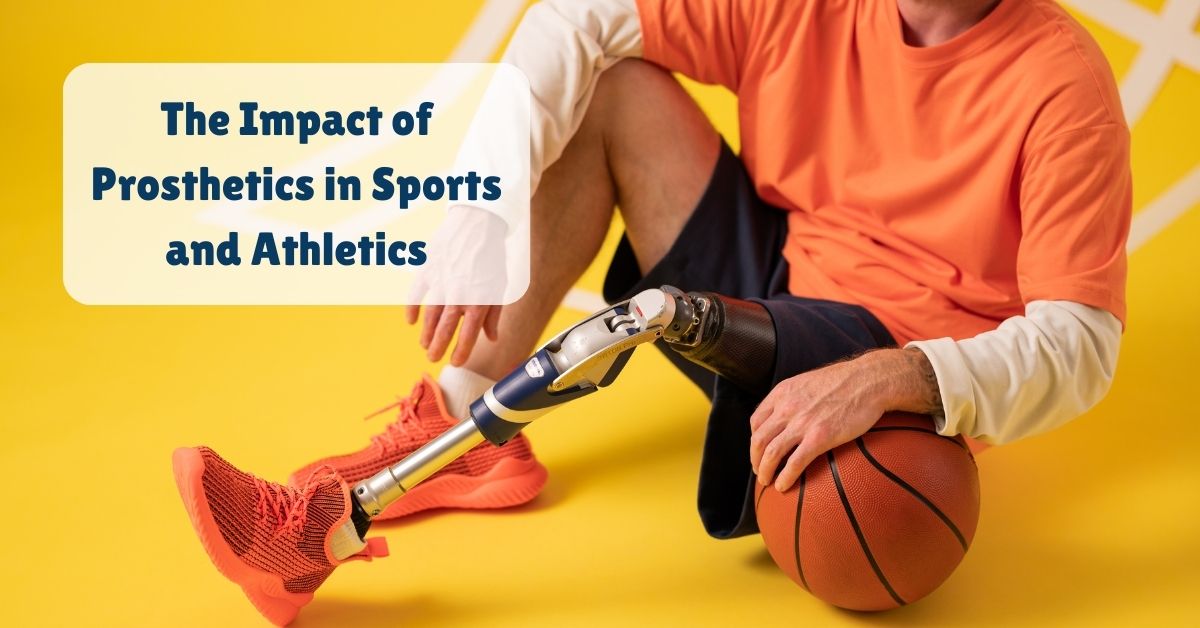
The Impact of Prosthetics in Sports and Athletics
Prosthetics have transformed the world of sports and athletics, empowering individuals with physical disabilities to pursue their dreams and compete at the highest levels. Over the years, advancements in technology have made prosthetic devices more efficient, durable, and specialized for various sports. Let’s explore how prosthetics have revolutionized sports, their impact on athletes, and how they continue to inspire the world.
How Prosthetics Have Changed Sports
Restoring Mobility and Independence:Prosthetics enable athletes to regain mobility and perform activities that might otherwise be impossible. For individuals who have lost limbs, these devices restore independence and allow them to participate in sports.
Specialized Designs for Sports:Modern prosthetics are tailored to specific sports. For example:
- Running Blades: These lightweight and curved prosthetics are designed for runners, offering high speed and agility.
- Swimming Prosthetics: Built with waterproof materials, they enhance movement in the water.
- Cycling Prosthetics: These are crafted for stability and control, improving performance on bikes.
Equal Opportunities in Competitions:Prosthetics have opened doors for athletes with disabilities to compete in events like the Paralympics. They provide an even playing field, allowing athletes to showcase their skills and determination.
Breaking Records and Stereotypes:Athletes using prosthetics have achieved remarkable milestones, challenging the notion that physical limitations define abilities. Their success has inspired millions and highlighted the importance of inclusivity in sports.
Benefits of Prosthetics for Athletes
Prosthetic devices not only enable athletes to compete but also improve their overall quality of life.
Enhanced PerformanceHigh-tech prosthetics are designed to mimic natural movements, giving athletes the ability to perform at their best. Advanced materials like carbon fiber ensure durability and efficiency.
Boosted ConfidenceParticipating in sports helps athletes build confidence and a positive self-image. Prosthetics empower them to overcome challenges and excel in their chosen fields.
Improved Physical HealthRegular physical activity with the aid of prosthetics helps athletes maintain fitness, improve cardiovascular health, and strengthen muscles.
Mental Well-BeingSports foster teamwork, discipline, and a sense of accomplishment, which are crucial for mental health. Prosthetics allow individuals to experience these benefits, enhancing their emotional resilience.
Challenges Athletes Face with Prosthetics
While prosthetics have made sports more accessible, athletes still face certain challenges:
CostsAdvanced prosthetics can be expensive, making them inaccessible to many. Organizations and sponsors play a crucial role in providing financial support.
Maintenance and DurabilityProsthetics require regular maintenance to ensure optimal performance. Athletes must also replace them periodically, especially if they are used intensively.
Adaptation PeriodLearning to use prosthetics effectively in sports can take time and practice. Athletes often work with trainers and physiotherapists to optimize their movements.
Injury RisksImproper use or poorly fitted prosthetics can lead to injuries. Regular check-ups and adjustments are essential to minimize such risks.
How Prosthetics Are Advancing Sports Technology
Technological advancements have taken prosthetics to new heights, making them more efficient and adaptable:
Smart ProstheticsEquipped with sensors and microprocessors, these devices can adapt to the athlete’s movements in real-time, providing better control and precision.
3D Printing3D printing has made it easier to produce customized prosthetics quickly and affordably, ensuring a perfect fit for each athlete.
Lightweight MaterialsModern prosthetics use materials like titanium and carbon fiber, which are both strong and lightweight, enhancing performance.
Biomechanics ResearchContinuous research on biomechanics has led to prosthetics that mimic natural limb movements, improving comfort and efficiency.
Inspiring Stories of Athletes with Prosthetics
Prosthetic technology has enabled many athletes to achieve greatness and inspire others. Some notable examples include:
- Amy Purdy: A Paralympic snowboarder who overcame her disability to win multiple medals.
- Mark Inglis: A double amputee who successfully climbed Mount Everest with the help of prosthetics.
Their achievements highlight the incredible potential of prosthetics in sports and the human spirit's resilience.
How to Maintain Health While Using Prosthetics
Athletes with prosthetics must also prioritize their health to perform their best:
Stay ActiveRegular exercise not only improves performance but also supports cardiovascular health.
Eat a Balanced DietA diet rich in fruits, vegetables, lean proteins, and whole grains provides the energy needed for training and recovery.
Monitor Stress LevelsCompetitive sports can be stressful. Practicing mindfulness and relaxation techniques can help manage stress.
Regular Check-UpsPeriodic health check-ups ensure that both the heart and the prosthetic device are in good condition.
A Future of Possibilities
Prosthetics in sports have redefined what’s possible, turning physical limitations into opportunities for achievement. As technology continues to advance, the potential for athletes with prosthetics will only grow, breaking new records and inspiring future generations.
Sports are no longer about just physical ability—they are a testament to determination, innovation, and the human spirit. Prosthetics have become a powerful symbol of how challenges can be transformed into triumphs, one step at a time.
Always consult with a qualified healthcare provider or prosthetist regarding any concerns or questions about your prosthetic limb and its usage. Individual needs and circumstances may vary, and a healthcare professional can provide personalized guidance tailored to your specific situation.
Adjusting your prosthetic limb is a normal part of living with one, and recognizing the signs early can save you from unnecessary discomfort or reduced mobility. Pay attention to your body and your prosthetic to ensure they work together seamlessly. By addressing these issues promptly and maintaining regular contact with your prosthetist, you can continue to enjoy a comfortable, active, and independent lifestyle.
Always consult with a qualified healthcare provider or prosthetist regarding any concerns or questions about your prosthetic limb and its usage. Individual needs and circumstances may vary, and a healthcare professional can provide personalized guidance tailored to your specific situation.
Looking for a dependable orthotic components supplier in India for your specific requirements? Contact us today to discuss your application, product needs, and fabrication requirements with our team. Let’s work together to support better orthotic solutions from the very first component.
Frequently Asked Questions
What Is The Main Difference Between Custom-Made And Prefabricated Orthoses?
Custom-made orthoses are designed and fabricated for an individual using their measurements, anatomy, and functional requirements. Prefabricated orthoses are manufactured in standard designs and sizes and are selected from available options based on the user's needs.
Are Prefabricated Orthoses Effective?
Yes, prefabricated orthoses can be effective when their design, size, and support characteristics are appropriate for the person's condition and intended use. Their effectiveness depends on the individual application rather than simply being labelled as prefabricated.
Are Custom-Made Orthoses Always Better?
No. Custom-made orthoses are not automatically better for every user or condition. Research in areas such as plantar heel pain has not consistently demonstrated a clear advantage of custom foot orthoses over prefabricated alternatives for all outcomes.
How Are Custom Orthoses Made?
Custom orthoses are usually developed after an individual assessment. Depending on the device, the process may involve measurements, casting, impressions, or digital scanning, followed by design, fabrication, fitting, and adjustments.
Who Can Help Select The Right Orthosis?
A qualified orthotic professional or appropriate healthcare professional can assess the person's condition, anatomy, movement, activity requirements, and intended use before recommending a suitable orthotic solution.