
What Is The Difference Between Custom-Made And Prefabricated Orthoses
Summary : Choosing an orthosis is not simply about picking a device from a shelf. The right option depends on the body part being supported, the level of correction required, comfort, daily activities, and individual anatomy. This article explains the difference between custom-made and prefabricated orthoses, how they are designed and fitted, where each option may be useful, and how professional assessment can help guide the decision.
Orthoses are external devices used to support, align, protect, stabilise, or assist parts of the body. They can be designed for the foot, ankle, knee, spine, hand, wrist, and other areas depending on the user's needs. Some are made specifically for one person, while others are manufactured in standard sizes and supplied ready to use.
This is where the difference between custom-made and prefabricated orthoses becomes important. A custom-made orthosis is developed around an individual's anatomy and functional requirements, while a prefabricated orthosis follows a standard design and sizing system. Neither option is automatically suitable for every person. The purpose of the device and the individual's needs should guide the choice.
What Are Custom-Made Orthoses?
Custom-made orthoses are designed and fabricated for a particular individual. The process generally starts with an assessment of the person's condition, anatomy, movement, functional requirements, and intended use of the device.
Depending on the body area and type of orthosis, the practitioner may take measurements, create an impression or cast, or use digital scanning technology. These details are then used to develop an orthosis with the required shape, support, alignment, and control.
Customisation can also involve selecting specific materials, joints, straps, padding, or other components. Once the device is produced, it can be checked during fitting and adjusted where necessary to improve comfort and function.
Individual Fit And Design
One of the main characteristics of a custom-made orthosis is its individual fit. The device is not simply chosen because it matches a standard size. Instead, its dimensions and design are based on the user's anatomy and the clinical purpose of the orthosis.
This can be especially useful when a person has unusual anatomy, significant asymmetry, specific pressure-distribution needs, or functional requirements that are difficult to meet with a standard device.
Personalised Fabrication Process
Custom fabrication usually involves several stages rather than immediate supply. Assessment, design, fabrication, fitting, and follow-up can all form part of the process. This makes it possible to make refinements when required.
Cold Weather Care Tips for Prosthetic Wearers
Cold weather brings unique challenges for prosthetic wearers, from maintaining comfort to ensuring the prosthetic remains functional and safe. Winter conditions like freezing temperatures, icy paths, and dry air can affect both the residual limb and the prosthetic itself. This guide provides practical tips to help prosthetic wearers stay comfortable, safe, and proactive during the colder months.
1. Keep Your Residual Limb Warm and Protected
Cold temperatures can cause the blood vessels in the residual limb to constrict, leading to discomfort, numbness, or reduced circulation.
- Layer Up Smartly: Wear thermal liners, warm socks, or insulated covers over your residual limb. Materials like fleece or wool can help retain heat.
- Avoid Prolonged Exposure: Limit time outdoors in freezing weather to prevent frostbite or skin irritation.
- Use Hand Warmers: Consider placing a safe, gentle heat source, like a hand warmer, near your prosthetic socket (but not in direct contact) to maintain warmth.
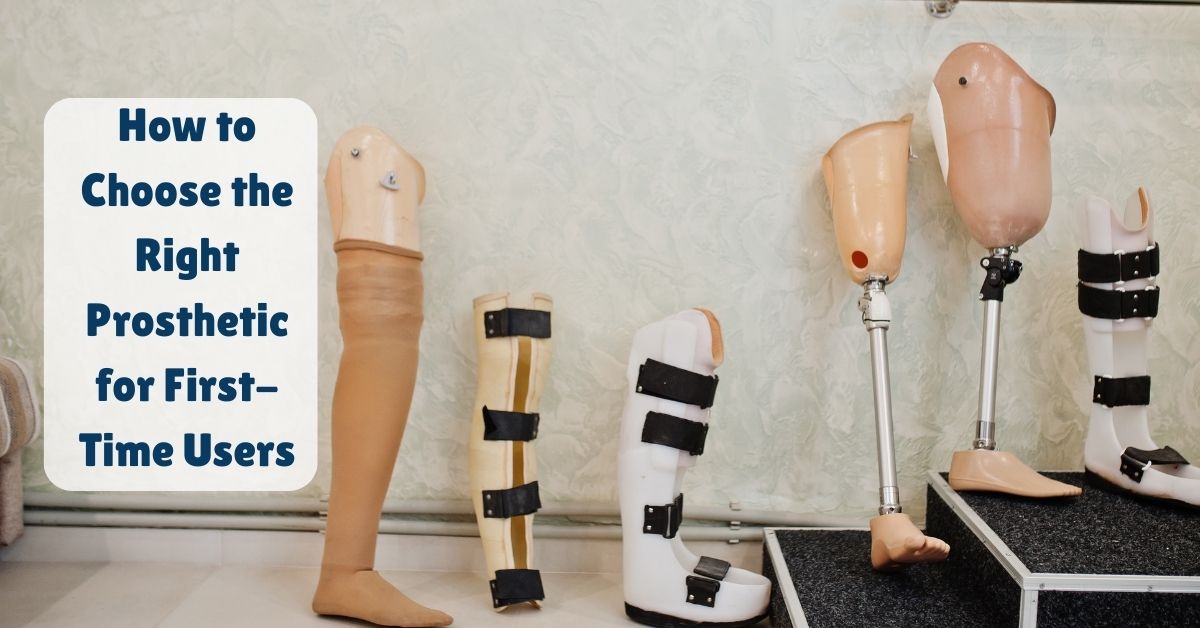
How to Choose the Right Prosthetic for First-Time Users
Choosing a prosthetic limb for the first time is a life-changing decision that can significantly impact your mobility, independence, and overall well-being. This journey often comes with mixed emotions—hope, uncertainty, and even apprehension.
For many, it marks the beginning of adapting to a new way of life, which can feel both empowering and daunting. With so many options and factors to consider, from functionality to comfort and cost, it’s natural to feel overwhelmed. However, with the right guidance and support, you can navigate this process confidently.
A well-chosen prosthetic can not only restore physical functionality but also enhance your emotional and social well-being, enabling you to live a fulfilling life. This guide is designed to simplify the process, offering practical advice and insights to help first-time users select the prosthetic limb that best suits their needs and lifestyle.
Understanding the Basics of Prosthetics
A prosthetic limb is more than just a replacement for a missing limb—it is a custom-designed device that restores functionality and helps individuals regain independence and confidence.
Each prosthetic is unique, tailored to suit the specific needs, activities, and goals of the user. Understanding the basics of prosthetics can make the process of choosing the right one easier and less intimidating.
Whether you’re looking for a prosthetic to enhance mobility, perform specific tasks, or simply restore a natural appearance, knowing the available options and their purposes is the first step.
Types of Prosthetic Limbs
Prosthetic limbs are designed to meet a variety of needs, and they can be broadly categorized into four main types:
Lower Limb Prosthetics:These prosthetics are created for individuals with below or above-knee amputations. They are essential for mobility, helping users walk, run, and engage in various physical activities. From basic walking to high-performance running blades for athletes, lower limb prosthetics come in many forms to match different lifestyles and activity levels.
Upper Limb Prosthetics:Upper limb prosthetics replace missing arms, hands, or fingers, enabling users to perform tasks like gripping, lifting, and even fine motor movements. They range from simple designs for basic functions to advanced models with articulated fingers and responsive movements.
Cosmetic Prosthetics:Designed primarily for appearance, cosmetic prosthetics focus on restoring the natural look of a missing limb. While they may not offer much functionality, they are highly detailed and customized to match the user’s skin tone, shape, and other physical attributes, providing a sense of normalcy.
Bionic or Myoelectric Prosthetics:These advanced prosthetics use electrical signals from the user’s muscles to power precise and natural movements. Ideal for those seeking both functionality and high-tech features, bionic limbs can perform tasks such as gripping objects, climbing stairs, or even typing on a keyboard. They are particularly beneficial for users who prioritize versatility and control.
Factors to Consider When Choosing a Prosthetic
1. Your Daily Lifestyle
Think about your daily routine and activities. Are you active and need a prosthetic for sports, or do you need something primarily for walking and light tasks?
- For Active Users: Prosthetics designed for running or sports are lightweight and durable.
- For Everyday Use: Focus on comfort, ease of wear, and basic functionality.
Tip: Be honest with your prosthetist about your lifestyle to ensure the prosthetic matches your needs.
2. Level of Amputation
The type of prosthetic limb you need depends on whether the amputation is below or above a joint.
- Below the Knee (Transtibial): Easier to adapt to because the knee joint remains intact.
- Above the Knee (Transfemoral): Requires a prosthetic with a mechanical or computerized knee joint for better mobility.
3. Comfort and Fit
The fit of your prosthetic is critical. An ill-fitting prosthetic can cause discomfort, irritation, and even skin injuries.
- The Socket: This is the part of the prosthetic that attaches to your residual limb. A properly fitted socket ensures comfort and prevents movement.
- Liners and Padding: These add an extra layer of comfort and reduce pressure points.
Tip: Work closely with your prosthetist during the fitting process to address any discomfort immediately.
4. Budget and Insurance
Prosthetics can vary greatly in cost, depending on their type and features. Advanced prosthetics like bionic limbs are more expensive but offer enhanced functionality.
- Check what your insurance covers.
- Discuss financing options with your prosthetist or medical provider.
Tip: Don’t compromise on quality, especially if it impacts your comfort and mobility.
5. Future Adjustments and Maintenance
Your body changes over time, which means your prosthetic may need adjustments or replacements.
- Look for a prosthetic provider who offers follow-up care.
- Ensure the prosthetic is easy to maintain, clean, and repair.
Steps to Choosing the Right Prosthetic
Step 1: Consult a Prosthetist
A prosthetist is a healthcare professional specializing in designing and fitting prosthetic limbs. They will assess your needs, lifestyle, and preferences to recommend the best options.
Step 2: Test Different Options
You don’t have to settle on the first prosthetic you try. Testing different models helps you determine what feels comfortable and functional.
Step 3: Consider Additional Features
Advanced prosthetics offer features like:
- Microprocessors for smoother movement.
- Sensors that mimic natural limb movements.
- Waterproof designs for swimming or showering.
While these features add to the cost, they can enhance your quality of life.
Empowering Your Journey Forward
Choosing the right prosthetic as a first-time user is a deeply personal process that requires careful consideration. By focusing on your lifestyle, comfort, and future needs, and working closely with a trusted prosthetist, you can find a prosthetic that empowers you to live a fulfilling and independent life.
Remember, it’s okay to take your time. This decision is an investment in your well-being and mobility, so ensure it’s one you feel confident about. With the right prosthetic, you’re not just choosing a device—you’re choosing a tool that will help you reclaim your independence and achieve your goals.
Always consult with a qualified healthcare provider or prosthetist regarding any concerns or questions about your prosthetic limb and its usage. Individual needs and circumstances may vary, and a healthcare professional can provide personalized guidance tailored to your specific situation.
Adjusting your prosthetic limb is a normal part of living with one, and recognizing the signs early can save you from unnecessary discomfort or reduced mobility. Pay attention to your body and your prosthetic to ensure they work together seamlessly. By addressing these issues promptly and maintaining regular contact with your prosthetist, you can continue to enjoy a comfortable, active, and independent lifestyle.
Always consult with a qualified healthcare provider or prosthetist regarding any concerns or questions about your prosthetic limb and its usage. Individual needs and circumstances may vary, and a healthcare professional can provide personalized guidance tailored to your specific situation.
Looking for a dependable orthotic components supplier in India for your specific requirements? Contact us today to discuss your application, product needs, and fabrication requirements with our team. Let’s work together to support better orthotic solutions from the very first component.
Frequently Asked Questions
What Is The Main Difference Between Custom-Made And Prefabricated Orthoses?
Custom-made orthoses are designed and fabricated for an individual using their measurements, anatomy, and functional requirements. Prefabricated orthoses are manufactured in standard designs and sizes and are selected from available options based on the user's needs.
Are Prefabricated Orthoses Effective?
Yes, prefabricated orthoses can be effective when their design, size, and support characteristics are appropriate for the person's condition and intended use. Their effectiveness depends on the individual application rather than simply being labelled as prefabricated.
Are Custom-Made Orthoses Always Better?
No. Custom-made orthoses are not automatically better for every user or condition. Research in areas such as plantar heel pain has not consistently demonstrated a clear advantage of custom foot orthoses over prefabricated alternatives for all outcomes.
How Are Custom Orthoses Made?
Custom orthoses are usually developed after an individual assessment. Depending on the device, the process may involve measurements, casting, impressions, or digital scanning, followed by design, fabrication, fitting, and adjustments.
Who Can Help Select The Right Orthosis?
A qualified orthotic professional or appropriate healthcare professional can assess the person's condition, anatomy, movement, activity requirements, and intended use before recommending a suitable orthotic solution.