
What Is The Difference Between Custom-Made And Prefabricated Orthoses
Summary : Choosing an orthosis is not simply about picking a device from a shelf. The right option depends on the body part being supported, the level of correction required, comfort, daily activities, and individual anatomy. This article explains the difference between custom-made and prefabricated orthoses, how they are designed and fitted, where each option may be useful, and how professional assessment can help guide the decision.
Orthoses are external devices used to support, align, protect, stabilise, or assist parts of the body. They can be designed for the foot, ankle, knee, spine, hand, wrist, and other areas depending on the user's needs. Some are made specifically for one person, while others are manufactured in standard sizes and supplied ready to use.
This is where the difference between custom-made and prefabricated orthoses becomes important. A custom-made orthosis is developed around an individual's anatomy and functional requirements, while a prefabricated orthosis follows a standard design and sizing system. Neither option is automatically suitable for every person. The purpose of the device and the individual's needs should guide the choice.
What Are Custom-Made Orthoses?
Custom-made orthoses are designed and fabricated for a particular individual. The process generally starts with an assessment of the person's condition, anatomy, movement, functional requirements, and intended use of the device.
Depending on the body area and type of orthosis, the practitioner may take measurements, create an impression or cast, or use digital scanning technology. These details are then used to develop an orthosis with the required shape, support, alignment, and control.
Customisation can also involve selecting specific materials, joints, straps, padding, or other components. Once the device is produced, it can be checked during fitting and adjusted where necessary to improve comfort and function.
Individual Fit And Design
One of the main characteristics of a custom-made orthosis is its individual fit. The device is not simply chosen because it matches a standard size. Instead, its dimensions and design are based on the user's anatomy and the clinical purpose of the orthosis.
This can be especially useful when a person has unusual anatomy, significant asymmetry, specific pressure-distribution needs, or functional requirements that are difficult to meet with a standard device.
Personalised Fabrication Process
Custom fabrication usually involves several stages rather than immediate supply. Assessment, design, fabrication, fitting, and follow-up can all form part of the process. This makes it possible to make refinements when required.
Cold Weather Care Tips for Prosthetic Wearers
Cold weather brings unique challenges for prosthetic wearers, from maintaining comfort to ensuring the prosthetic remains functional and safe. Winter conditions like freezing temperatures, icy paths, and dry air can affect both the residual limb and the prosthetic itself. This guide provides practical tips to help prosthetic wearers stay comfortable, safe, and proactive during the colder months.
1. Keep Your Residual Limb Warm and Protected
Cold temperatures can cause the blood vessels in the residual limb to constrict, leading to discomfort, numbness, or reduced circulation.
- Layer Up Smartly: Wear thermal liners, warm socks, or insulated covers over your residual limb. Materials like fleece or wool can help retain heat.
- Avoid Prolonged Exposure: Limit time outdoors in freezing weather to prevent frostbite or skin irritation.
- Use Hand Warmers: Consider placing a safe, gentle heat source, like a hand warmer, near your prosthetic socket (but not in direct contact) to maintain warmth.
How to Prevent Skin Irritation and Sores with Proper Prosthetic Care
Living with a prosthetic limb can help restore mobility and independence, but it also comes with the responsibility of proper care. Without the right maintenance and attention, prosthetic users may experience skin irritation, sores, and discomfort. These issues can lead to infections and affect how well the prosthetic functions, so it's important to take preventive measures.
In this guide, we’ll walk through practical tips and habits that will help you prevent skin irritation and sores while ensuring that your prosthetic stays comfortable and useful in your daily life.
Keep Your Skin Clean and Dry
One of the most important steps in preventing skin irritation is maintaining good hygiene. The skin inside the prosthetic socket is often exposed to sweat, friction, and pressure, making it more vulnerable to irritation.
Wash your residual limb daily with mild soap and lukewarm water to remove sweat, dirt, and bacteria.
After washing, pat the area dry gently with a soft towel. Make sure your skin is completely dry before putting on your prosthetic.
Avoid using hot water as it can dry out the skin, making it more prone to cracks and irritation.
A clean, dry limb helps reduce the risk of developing blisters, rashes, or skin breakdown, which are common issues among prosthetic users.
Choose the Right Socket Liner and Socks
The socket liner and prosthetic socks play a critical role in preventing skin irritation. These materials act as a cushion between your skin and the hard parts of the prosthetic, reducing friction and pressure.
Socket liners: These are worn inside the prosthetic socket to protect your skin. Make sure to choose one made from a breathable, soft material that fits well. A poorly fitting liner can rub against your skin and cause irritation.
Prosthetic socks: Wearing the right sock thickness is essential. Too thin or thick can lead to discomfort and skin issues. Socks help absorb sweat and provide a comfortable fit. Be sure to adjust the thickness of your socks throughout the day, as your limb may swell or shrink slightly.
Make sure your socket liner and socks are clean and in good condition. Replace them if they become worn or if they no longer fit properly.
Check Your Skin Regularly
Performing daily skin checks can help you spot early signs of irritation, blisters, or sores before they become serious problems.
After removing your prosthetic, take a few minutes to inspect your skin. Look for areas of redness, swelling, or tenderness. These may indicate that your prosthetic is causing too much pressure in certain areas.
Use a mirror if needed to check hard-to-see places, or ask a family member to help you.
If you notice any persistent redness, blistering, or sores, contact your prosthetist or healthcare provider as soon as possible.
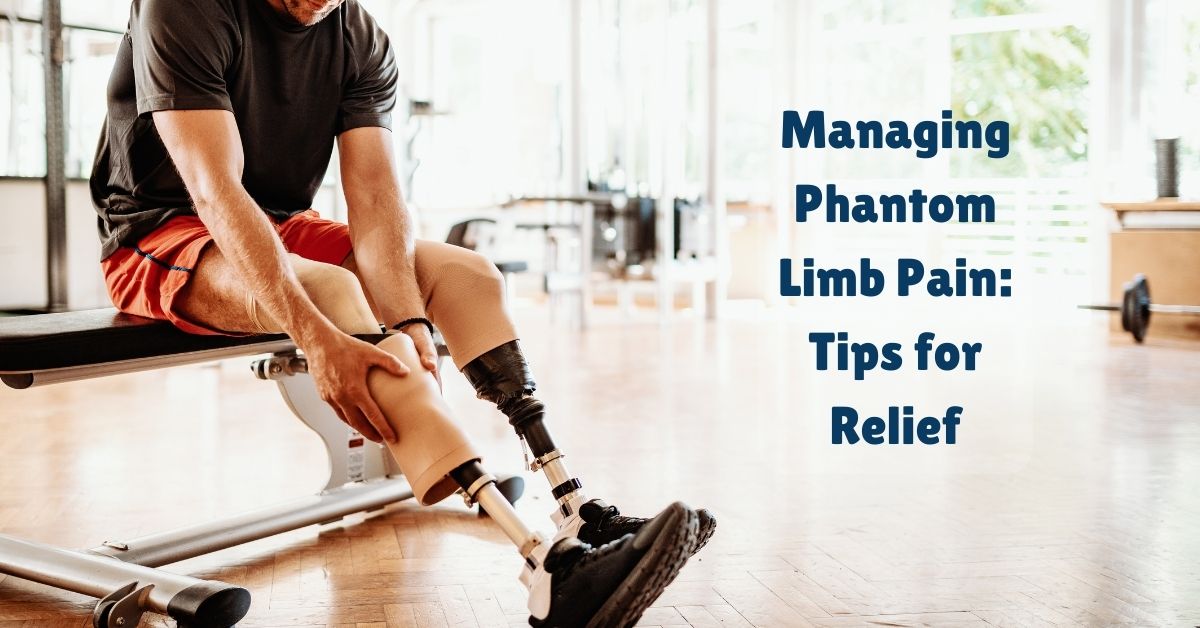
Managing Phantom Limb Pain: Tips for Relief
Phantom limb pain is a condition where individuals feel pain in a limb that has been amputated. This pain can range from mild discomfort to intense and chronic sensations, often described as burning, stabbing, or throbbing. Managing phantom limb pain is an essential part of adapting to life after amputation, and there are various techniques and strategies that can help alleviate or reduce this type of pain. In this article, we will explore effective ways to manage phantom limb pain and improve your overall comfort.
What is Phantom Limb Pain?
Phantom limb pain is a phenomenon that occurs when the brain continues to send signals to the nerves that once served the amputated limb. While these nerves no longer connect to the missing limb, the brain’s perception of pain persists. Phantom limb pain can be triggered by various factors, including stress, changes in weather, or even pressure on the residual limb.
Common sensations include:
- Tingling or “pins and needles.”
- Burning or itching.
- Stabbing or shooting pain.
- Feelings of pressure or cramping in the missing limb.
What are Types of Phantom Limb Pain?
There are various sensations you may experience after an amputation, and not all of them involve pain. Healthcare providers use the term "phantom" to describe feelings related to the missing limb (such as an arm or leg) or a part of it (like a finger or toe). These sensations can vary, and it's important to understand the different types that might occur:
1. Phantom Pain
Phantom pain refers to the sensation of pain in a missing limb after an amputation. Even though the limb is no longer there, your brain continues to receive signals that interpret discomfort or pain in the area.
2. Phantom Sensations
In phantom sensations, the missing limb still feels like it’s part of your body, but without pain. You might experience sensations such as touch, pressure, itching, temperature changes, or vibrations. For instance, you may feel an itch on a limb that no longer exists or sense pressure as if the limb were still in place.
3. Phantom Pain Syndrome
Phantom pain syndrome is a combination of phantom pain and phantom sensations. In this case, you may feel both painful and non-painful sensations, such as touch, pressure, itch, or temperature changes in the missing limb. This makes the experience more complex, as you can have sensations that feel real but are combined with pain.
4. Residual Limb Pain
Residual limb pain refers to discomfort in the remaining part of your limb (the stump) after an amputation. This type of pain can be due to medical reasons such as infection, nerve damage, or improper prosthetic fitting, and it’s important to address the underlying cause to alleviate the pain.
Stay Active and Engaged
Physical activity can help reduce phantom limb pain by improving blood circulation, strengthening muscles, and releasing endorphins, which are natural pain relievers. Gentle exercises like stretching, walking, or swimming can be beneficial. Your prosthetist or physical therapist can recommend specific exercises tailored to your needs.
Benefits of exercise:
- Helps maintain overall physical and mental health.
- Reduces stiffness and improves mobility.
- Enhances the production of endorphins, reducing pain.
Massage and Gentle Touch
Massaging the residual limb or the area around it can help stimulate nerve endings and provide relief from phantom limb pain. Gently rubbing or applying pressure to the stump may help “trick” the brain into understanding that the limb is no longer there, reducing painful sensations.
How to massage effectively:
- Use light pressure and circular motions on the residual limb.
- Apply warm or cold compresses to relax the muscles and improve blood flow.
- Massage regularly to promote relaxation and reduce sensitivity.
Try Mirror Therapy
Mirror therapy is a well-known treatment for phantom limb pain. In this technique, a mirror is placed in front of the intact limb, reflecting it to make it appear as though the amputated limb is still present. By moving the intact limb while watching its reflection, the brain may be “tricked” into thinking the missing limb is moving as well, which can help alleviate pain.
Steps for mirror therapy:
- Sit with a mirror in front of your intact limb, so the reflection appears like the missing limb.
- Move your intact limb while focusing on the mirror image.
- Repeat the process for a few minutes each day to gradually reduce pain.
Use Heat and Cold Therapy
Applying heat or cold to the residual limb can help soothe phantom limb pain. Heat therapy, such as using a warm towel or heating pad, can help relax muscles and increase blood flow, while cold therapy, like an ice pack, can reduce inflammation and numb pain. Experiment with both to see which method provides the most relief.
Always consult with a qualified healthcare provider or prosthetist regarding any concerns or questions about hot and cold therapy.
Tips for heat and cold therapy:
- Use heat therapy for stiff muscles or to relax before bedtime.
- Apply cold therapy if the area feels inflamed or swollen.
- Always protect your skin with a cloth before applying heat or cold.
Mindfulness and Relaxation Techniques
Stress and anxiety can intensify phantom limb pain. Practicing mindfulness, relaxation exercises, or meditation can help manage both the mental and physical aspects of pain. These techniques can calm your nervous system and reduce the body’s response to pain.
Mindfulness practices to try:
- Deep breathing exercises to calm the mind and body.
- Progressive muscle relaxation to release tension in specific areas.
- Visualization techniques, where you imagine the pain melting away.
Medications and Medical Treatments
In some cases, medications or medical treatments may be necessary to manage phantom limb pain. Your healthcare provider may prescribe pain relievers, antidepressants, or anticonvulsants to reduce nerve pain. Some individuals find relief through alternative treatments like acupuncture or electrical nerve stimulation.
Common medical treatments:
- Over-the-counter or prescription pain medications.
- Antidepressants or anticonvulsants for nerve-related pain.
- TENS (transcutaneous electrical nerve stimulation) or spinal cord stimulation.
Desensitization Techniques
Desensitization involves gradually exposing your residual limb to different textures and sensations to reduce hypersensitivity and phantom pain. This can be done by gently rubbing the residual limb with different fabrics, such as cotton, silk, or a soft brush, to help the nerves become less reactive.
How to practice desensitization:
- Begin with soft materials and gradually introduce coarser textures.
- Rub or tap the residual limb lightly for short periods.
- Repeat daily to help reduce sensitivity over time.
Stay Connected with Support Networks
Phantom limb pain can be an isolating experience, but connecting with others who have gone through similar experiences can be highly beneficial. Support groups, both in-person and online, can provide emotional support, practical advice, and encouragement. Knowing that others understand what you’re going through can make a big difference in coping with the pain.
Ways to seek support:
- Join online forums or social media groups for amputees.
- Attend local support group meetings.
- Talk openly with friends and family about your experiences.
Work with Your Healthcare Team
Managing phantom limb pain is a team effort. Working closely with your doctor, prosthetist, and physical therapist can help you find the most effective pain management strategies. Be open about your experiences with phantom limb pain, and don’t hesitate to ask about new treatments or therapies that could offer relief.
Key points to discuss with your healthcare team:
- The severity and frequency of your phantom limb pain.
- Any medications or treatments you’ve tried and their effectiveness.
- New treatment options that may be available to you.
Taking Steps Toward Comfort and Healing
Phantom limb pain is a challenging condition, but with the right strategies, you can find relief and improve your quality of life. Whether through physical therapy, relaxation techniques, or medical treatments, there are many ways to manage the pain and discomfort. Remember, it’s important to be patient with yourself as you navigate this journey, and don’t hesitate to seek help and support when you need it.
When adjusting to a new prosthetic, having a reliable and well-fitted limb is important for comfort and mobility. Proactive a trusted prosthetics limbs manufacturer and supplier ensures that you receive high-quality, durable prosthetic limbs tailored to your needs.
Always consult with a qualified healthcare provider or prosthetist regarding any concerns or questions about your prosthetic limb and its usage. Individual needs and circumstances may vary, and a healthcare professional can provide personalized guidance tailored to your specific situation.
At Proactive Technical Orthopaedics, we understand the importance of finding the right prosthetic solution tailored to your unique needs. Our dedicated team of experts is here to guide you every step of the way, Contact today to schedule a consultation.
Always consult with a qualified healthcare provider or prosthetist regarding any concerns or questions about your prosthetic limb and its usage. Individual needs and circumstances may vary, and a healthcare professional can provide personalized guidance tailored to your specific situation.
Cleaning: Follow the manufacturer's guidelines for cleaning and caring for your prosthetic. Generally, you should clean your prosthetic regularly using mild soap and water. Avoid harsh chemicals that could damage the materials. Pay special attention to areas that come into contact with your skin to prevent irritation and infection.
Component Checks: Regularly inspect specific components such as the socket, liner, and joints. Ensure that all parts are functioning correctly and that the prosthetic fits snugly but comfortably. If you notice any discomfort or unusual movement, consult your prosthetist.
Routine Checkups: Schedule routine checkups with your prosthetist. These visits allow for professional assessments of your prosthetic's condition and can provide necessary adjustments or repairs. Regular consultations are particularly important if there are changes in your residual limb due to weight fluctuations or physical activity.
Finding the Perfect Prosthetic Fit for You
Choosing the right prosthetic based on your activity level is an important step in enhancing your mobility and quality of life. By understanding the types of prosthetics available, assessing your activity level, and considering important factors such as comfort, functionality, and durability, you can make an informed decision that aligns with your lifestyle.
Whether you lead a sedentary life, enjoy moderate activities, or are an athlete, there’s a prosthetic designed to meet your needs. Consulting with professionals and trying out different options will help you find the perfect fit for your journey toward improved mobility and independence. Remember, the right prosthetic can open new doors and empower you to lead an active, fulfilling life.
At Proactive Technical Orthopaedics, we understand the importance of finding the right prosthetic solution tailored to your unique needs. Our dedicated team of experts is here to guide you every step of the way, Contact today to schedule a consultation.
Always consult with a qualified healthcare provider or prosthetist regarding any concerns or questions about your prosthetic limb and its usage. Individual needs and circumstances may vary, and a healthcare professional can provide personalized guidance tailored to your specific situation.
Contact your prosthetist if you notice any changes in the way your prosthetic feels, such as increased pressure, rubbing, or discomfort.
By paying attention to your body’s signals and acting early, you can prevent irritation and sores from developing.
Prioritize Your Comfort and Health
Preventing skin irritation and sores with proper prosthetic care is essential for your comfort and overall well-being. By keeping your skin clean, ensuring a proper fit, and regularly checking for signs of irritation, you can avoid common issues and enjoy a smoother experience with your prosthetic.
Remember, it’s important to stay in regular contact with your prosthetist, who can help adjust your prosthetic to ensure it remains comfortable as your body changes. With a little extra care and attention, you can protect your skin, stay comfortable, and focus on living life to the fullest with your prosthetic.
Always consult with a qualified healthcare provider or prosthetist regarding any concerns or questions about your prosthetic limb and its usage. Individual needs and circumstances may vary, and a healthcare professional can provide personalized guidance tailored to your specific situation.
Adjusting your prosthetic limb is a normal part of living with one, and recognizing the signs early can save you from unnecessary discomfort or reduced mobility. Pay attention to your body and your prosthetic to ensure they work together seamlessly. By addressing these issues promptly and maintaining regular contact with your prosthetist, you can continue to enjoy a comfortable, active, and independent lifestyle.
Always consult with a qualified healthcare provider or prosthetist regarding any concerns or questions about your prosthetic limb and its usage. Individual needs and circumstances may vary, and a healthcare professional can provide personalized guidance tailored to your specific situation.
Looking for a dependable orthotic components supplier in India for your specific requirements? Contact us today to discuss your application, product needs, and fabrication requirements with our team. Let’s work together to support better orthotic solutions from the very first component.
Frequently Asked Questions
What Is The Main Difference Between Custom-Made And Prefabricated Orthoses?
Custom-made orthoses are designed and fabricated for an individual using their measurements, anatomy, and functional requirements. Prefabricated orthoses are manufactured in standard designs and sizes and are selected from available options based on the user's needs.
Are Prefabricated Orthoses Effective?
Yes, prefabricated orthoses can be effective when their design, size, and support characteristics are appropriate for the person's condition and intended use. Their effectiveness depends on the individual application rather than simply being labelled as prefabricated.
Are Custom-Made Orthoses Always Better?
No. Custom-made orthoses are not automatically better for every user or condition. Research in areas such as plantar heel pain has not consistently demonstrated a clear advantage of custom foot orthoses over prefabricated alternatives for all outcomes.
How Are Custom Orthoses Made?
Custom orthoses are usually developed after an individual assessment. Depending on the device, the process may involve measurements, casting, impressions, or digital scanning, followed by design, fabrication, fitting, and adjustments.
Who Can Help Select The Right Orthosis?
A qualified orthotic professional or appropriate healthcare professional can assess the person's condition, anatomy, movement, activity requirements, and intended use before recommending a suitable orthotic solution.