
What Is The Difference Between Custom-Made And Prefabricated Orthoses
Summary : Choosing an orthosis is not simply about picking a device from a shelf. The right option depends on the body part being supported, the level of correction required, comfort, daily activities, and individual anatomy. This article explains the difference between custom-made and prefabricated orthoses, how they are designed and fitted, where each option may be useful, and how professional assessment can help guide the decision.
Orthoses are external devices used to support, align, protect, stabilise, or assist parts of the body. They can be designed for the foot, ankle, knee, spine, hand, wrist, and other areas depending on the user's needs. Some are made specifically for one person, while others are manufactured in standard sizes and supplied ready to use.
This is where the difference between custom-made and prefabricated orthoses becomes important. A custom-made orthosis is developed around an individual's anatomy and functional requirements, while a prefabricated orthosis follows a standard design and sizing system. Neither option is automatically suitable for every person. The purpose of the device and the individual's needs should guide the choice.
What Are Custom-Made Orthoses?
Custom-made orthoses are designed and fabricated for a particular individual. The process generally starts with an assessment of the person's condition, anatomy, movement, functional requirements, and intended use of the device.
Depending on the body area and type of orthosis, the practitioner may take measurements, create an impression or cast, or use digital scanning technology. These details are then used to develop an orthosis with the required shape, support, alignment, and control.
Customisation can also involve selecting specific materials, joints, straps, padding, or other components. Once the device is produced, it can be checked during fitting and adjusted where necessary to improve comfort and function.
Individual Fit And Design
One of the main characteristics of a custom-made orthosis is its individual fit. The device is not simply chosen because it matches a standard size. Instead, its dimensions and design are based on the user's anatomy and the clinical purpose of the orthosis.
This can be especially useful when a person has unusual anatomy, significant asymmetry, specific pressure-distribution needs, or functional requirements that are difficult to meet with a standard device.
Personalised Fabrication Process
Custom fabrication usually involves several stages rather than immediate supply. Assessment, design, fabrication, fitting, and follow-up can all form part of the process. This makes it possible to make refinements when required.
Cold Weather Care Tips for Prosthetic Wearers
Cold weather brings unique challenges for prosthetic wearers, from maintaining comfort to ensuring the prosthetic remains functional and safe. Winter conditions like freezing temperatures, icy paths, and dry air can affect both the residual limb and the prosthetic itself. This guide provides practical tips to help prosthetic wearers stay comfortable, safe, and proactive during the colder months.
1. Keep Your Residual Limb Warm and Protected
Cold temperatures can cause the blood vessels in the residual limb to constrict, leading to discomfort, numbness, or reduced circulation.
- Layer Up Smartly: Wear thermal liners, warm socks, or insulated covers over your residual limb. Materials like fleece or wool can help retain heat.
- Avoid Prolonged Exposure: Limit time outdoors in freezing weather to prevent frostbite or skin irritation.
- Use Hand Warmers: Consider placing a safe, gentle heat source, like a hand warmer, near your prosthetic socket (but not in direct contact) to maintain warmth.
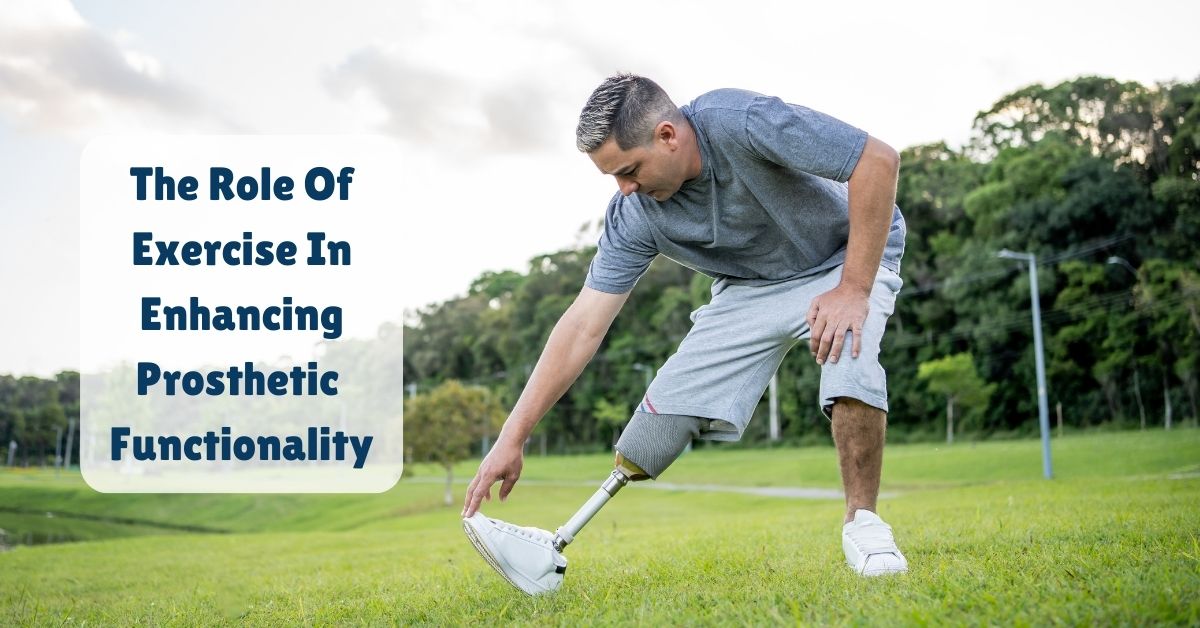
Role of Exercise In Enhancing Prosthetic Functionality
For individuals who use prosthetics, maintaining an active lifestyle is crucial not only for overall health but also for optimizing the functionality of their prosthetic devices. Exercise plays a significant role in ensuring that prosthetics work effectively and comfortably, which can greatly enhance a person's quality of life. Explores how regular exercise benefits prosthetic users, the types of exercises that are most effective, and how exercise can impact prosthetic comfort and fit. We’ll also address common challenges faced during exercise and offer practical solutions.
What is The Functionality of Prosthetics?
Prosthetics are artificial devices designed to replace missing limbs or body parts, helping users perform everyday tasks and improve mobility. They come in various forms, such as prosthetic legs, arms, hands, and more, each tailored to meet specific needs. The primary functionality of prosthetics includes:
Restoring Mobility: Prosthetics help users regain movement and functionality similar to a natural limb. For instance, prosthetic legs can enable walking, running, and climbing stairs.
Enhancing Daily Activities: They assist users in performing daily tasks, such as picking up objects, typing, or engaging in recreational activities.
Providing Support: Prosthetics offer structural support to the body, helping users maintain balance and reduce strain on other body parts.
However, the effectiveness of a prosthetic device largely depends on how well it fits and functions. Regular exercise can significantly enhance this functionality by improving the user's strength, flexibility, and overall physical condition.
What Types of Exercises are Most Effective For Prosthetic Users?
Standing Exercises
Standing exercises are fundamental for prosthetic users as they help improve balance and stability. These exercises focus on strengthening the muscles around the prosthetic limb, which is crucial for performing daily tasks with confidence. Practicing standing exercises regularly can lead to better posture and greater control over movements.
Stair Climbing
Stair climbing is an effective way for prosthetic users to build leg strength and enhance coordination. This exercise not only improves muscle tone but also boosts confidence in navigating different levels. Mastering stair climbing can make it easier to move around in both home and public spaces.
Forward and Backward Walking
Walking forward and backward is key for improving coordination and ensuring smooth movement with a prosthetic limb. These exercises help users develop a natural gait, making it easier to walk in various settings. It also enhances the ability to change direction with ease.
Incline Walking
Incline walking is designed to strengthen muscles and improve balance when walking on uneven surfaces. This exercise challenges the user to maintain stability while ascending or descending slopes, which is essential for outdoor mobility. It also helps in building endurance.
Obstacle Stepping
Obstacle stepping increases agility and adaptability by simulating real-life situations where one might need to step over or around objects. This exercise improves the user’s ability to navigate through crowded or cluttered areas, enhancing overall safety and confidence.
Walking
Regular walking is crucial for building endurance and maintaining overall mobility for prosthetic users. It strengthens the entire lower body and helps in achieving a smoother, more natural walking pattern. Walking also promotes cardiovascular health and overall well-being.
Figure-8 Walking/Turns
Figure-8 walking and turns are advanced exercises that improve turning skills and directional control. Practicing this exercise helps prosthetic users enhance their ability to change direction smoothly, which is important for daily activities like navigating through tight spaces or making sharp turns.
Strength Training
Strength training exercises, such as resistance bands or weight lifting, are crucial for prosthetic users. These exercises build muscle strength around the residual limb and the prosthetic socket, improving control and stability. Strengthening the muscles of the upper body, core, and remaining limb enhances overall balance and gait, making it easier to maneuver with the prosthetic device.
Balance and Stability Exercises
Exercises like balance boards and stability ball routines enhance proprioception and coordination. For prosthetic users, these exercises help improve balance, reduce the risk of falls, and allow for better adjustment to the prosthetic limb. Improved stability is essential for performing daily activities and maintaining control over the prosthetic device.
Flexibility and Stretching
Flexibility exercises, including yoga and stretching routines, increase the range of motion in the residual limb and adjacent joints. These exercises help prevent stiffness and discomfort, promoting a more natural movement with the prosthetic. Enhanced flexibility contributes to better fit and function of the prosthetic device, reducing strain and potential issues.
Cardio Exercises
Engaging in cardiovascular activities such as walking, cycling, or swimming improves overall endurance and stamina. For prosthetic users, these exercises boost cardiovascular health, which can enhance energy levels and overall physical performance. Cardiovascular fitness also supports weight management, which is beneficial for maintaining the comfort and effectiveness of the prosthetic device.
Proprioceptive Training
Proprioceptive exercises, like balance drills and coordination tasks, enhance the body’s awareness of limb position and movement. This training is crucial for prosthetic users as it improves their ability to adjust and control the prosthetic limb effectively. Better proprioception leads to more precise and controlled movements, enhancing overall functionality and comfort.
Functional Movement Training
Functional movement exercises, which mimic daily activities, help prosthetic users practice and refine their movements. These exercises improve the ability to perform tasks like walking, climbing stairs, and transitioning from sitting to standing. By focusing on functional movements, users can adapt to their prosthetic more effectively and integrate it into their daily routines.
Gait Training
Gait training exercises focus on improving walking patterns and techniques. For prosthetic users, these exercises help refine the gait, ensuring smooth and natural movement with the prosthetic limb. Gait training often includes treadmill work and walking drills, aimed at enhancing stride and balance, leading to better overall mobility and comfort.
Incline Walking
Incline walking is a great exercise for prosthetic users to strengthen muscles and improve balance on uneven surfaces. This activity challenges the user to maintain stability while walking up or down slopes, simulating real-world scenarios like hills or ramps. Regular practice helps build endurance and confidence in navigating various terrains, making outdoor activities more accessible and enjoyable.
How Does Regular Exercise Improve Prosthetic Functionality?
Enhances Muscle Strength and Endurance
Regular exercise significantly boosts the strength and endurance of muscles surrounding the residual limb and the prosthetic socket. This increased muscular support enhances the user’s control over the prosthetic device, improving its functionality. Stronger muscles offer better stability and support, leading to more efficient movement and reduced discomfort during daily activities.
Improves Balance and Coordination
Engaging in consistent physical activity improves overall balance and coordination, which is crucial for prosthetic users. Better balance allows for more precise and controlled movements with the prosthetic limb, reducing the likelihood of falls and enhancing the user’s ability to perform everyday tasks more effectively.
Increases Range of Motion
Exercise routines that include stretching and flexibility exercises increase the range of motion in the joints around the residual limb. A greater range of motion leads to more natural and fluid movements with the prosthetic limb, improving the ease of use and overall functionality of the device.
Reduces Risk of Complications
Regular exercise helps prevent common complications such as skin irritations, pressure sores, and phantom pain associated with prosthetics. By maintaining overall physical health and ensuring proper circulation, exercise helps keep the skin and tissues around the prosthetic socket in better condition, promoting effective use and comfort.
Enhances Circulation and Healing
Physical activity improves blood flow, which is vital for the health and healing of residual limb tissues. Enhanced circulation reduces swelling and promotes better tissue integration with the prosthetic device, contributing to a more comfortable and functional prosthetic experience.
Boosts Psychological Well-being
Regular exercise has been shown to improve mood and reduce symptoms of anxiety and depression. For prosthetic users, a positive mental state enhances motivation and confidence in using the prosthetic limb, leading to more effective use and overall better quality of life.
Supports Weight Management
Maintaining a healthy weight through regular exercise is important for prosthetic users, as excess weight can place additional stress on the residual limb and prosthetic device. Effective weight management helps reduce strain and discomfort, improving the prosthetic's functionality and user comfort.
Enhances Proprioception
Proprioceptive exercises, which focus on improving the awareness of limb position and movement, are beneficial for prosthetic users. Enhanced proprioception allows for better coordination with the prosthetic limb, leading to more accurate and controlled movements, and overall improved functionality.
Increases Stamina for Daily Activities
Regular physical activity builds stamina and reduces fatigue, which benefits prosthetic users by providing more energy for daily tasks. Increased stamina makes it easier to engage in various activities and maintain a higher quality of life with the prosthetic limb.
Promotes Better Posture and Alignment
Exercises targeting core strength and proper posture contribute to better alignment and support for the prosthetic device. Improved posture and alignment help the prosthetic limb function more naturally, reducing discomfort and ensuring a more efficient and comfortable gait.
How Do Prosthetics Improves Quality of Life & Independence
Adapting to Different Types of Prosthetics
Exercise routines for prosthetic users must be tailored to the specific type of prosthetic they are using, as the demands and challenges can vary significantly between lower-limb, upper-limb, and specialized sports prosthetics.
Lower-Limb Prosthetics
For those with lower-limb prosthetics, exercises typically focus on enhancing balance, strength, and mobility. Activities like incline walking, obstacle stepping, and figure-8 walking help improve stability and coordination, essential for daily activities and more dynamic movements like running or climbing stairs. These exercises also work on building the core and leg muscles, which are crucial for maintaining proper alignment and reducing strain on the residual limb.
Upper-Limb Prosthetics
Exercises for upper-limb prosthetic users often concentrate on improving grip strength, range of motion, and coordination. Activities might include resistance training, functional movements like lifting and carrying objects, and exercises that mimic daily tasks such as opening jars or typing. These exercises are designed to enhance the user’s ability to control the prosthetic and integrate it seamlessly into everyday tasks.
Specialized Sports Prosthetics
Users with specialized sports prosthetics may require more targeted exercise routines tailored to their specific sport. For instance, a runner using a blade prosthetic might focus on sprinting drills, agility exercises, and lower-body strength training. A swimmer with an aquatic prosthetic might engage in resistance exercises in water and techniques to improve stroke efficiency. These routines are designed to maximize the performance of the prosthetic during high-intensity or competitive activities, ensuring that the user can participate fully and safely in their chosen sport.
In all cases, adapting exercises to the type of prosthetic is key to optimizing functionality, comfort, and the overall quality of life for the user.
Conclusion
Incorporating regular exercise into your routine can greatly enhance the functionality of prosthetic limbs provided by a reputable prosthesis manufacturer in India. By strengthening muscles, improving coordination, and increasing flexibility, exercise helps users adapt better to their prosthetics, leading to improved comfort and performance.
While challenges may arise, they can often be managed with appropriate strategies and professional guidance. Embracing a well-rounded exercise routine not only supports the effective use of prosthetics but also contributes to overall health and well-being.
With the right approach, exercise can empower prosthetic users to lead more active and fulfilling lives.
Proactive Technical Orthopaedics, a leading manufacturer and supplier of parallel bars, we prioritize providing customizable solutions tailored to each patient’s specific needs. Our parallel bars are designed to be adjustable, ensuring they meet various height and support requirements, making them ideal for gait training, especially for individuals using prosthetic limbs or orthotic devices. By offering adaptable equipment, Proactive helps create a safe and controlled environment that enhances recovery, improves mobility, and builds patient confidence as they work toward regaining their independence. Contact us for more information.
Always consult with a qualified healthcare provider or prosthetist regarding any concerns or questions about your prosthetic limb and its usage. Individual needs and circumstances may vary, and a healthcare professional can provide personalized guidance tailored to your specific situation.
Accessibility Services: In many countries, train stations offer special assistance for people with mobility issues. Contact the station in advance to request help with boarding or disembarking if needed.
Dealing with Travel Fatigue and Physical Strain
Travel can be exhausting, particularly for people with prosthetic limbs, as prolonged walking, standing, or sitting can lead to discomfort. Here are a few strategies to avoid fatigue:
a) Take Frequent Breaks
When traveling, take frequent breaks to rest your prosthetic limb. This is especially important when flying or driving long distances. Walk around to keep blood circulating, and when seated, try to stretch and adjust your position to avoid discomfort.
b) Know Your Limits
It’s easy to get caught up in the excitement of exploring a new destination, but it’s important to know your physical limits. If you feel tired or experience discomfort, don’t hesitate to take a break or shorten your activities for the day.
c) Hydrate and Stay Healthy
Staying hydrated is essential to avoiding fatigue and swelling, particularly if you’re flying. Drink plenty of water and avoid excessive caffeine or alcohol, as these can dehydrate you and exacerbate swelling in your residual limb.
International Travel and Adaptability
a) Research Your Destination
Different countries have varying levels of accessibility for people with disabilities. Research the accessibility of the places you’ll be visiting, especially if you’ll be using public transportation or visiting historical sites. Many cities offer guides or apps specifically designed for travelers with mobility challenges.
b) Learn About Local Healthcare Facilities
It's a good idea to familiarize yourself with local healthcare facilities, just in case you need to make repairs to your prosthesis or receive medical care during your trip. Knowing where to go in advance can save you time and reduce stress if an issue arises.
c) Prosthetic Insurance
Make sure your prosthetic is insured, particularly for international travel. In case your prosthesis gets damaged or lost, having insurance will ensure you can get repairs or replacements covered.
Travel-Friendly Prosthetic Options
Some prosthetic limbs are specifically designed for active lifestyles and travel. If you’re an avid traveler, speak with your prosthetist about travel-friendly prosthetic options. These may be lightweight, waterproof, or equipped with features that make them more adaptable to various activities.
For example:
Waterproof Prosthetics: If your trip includes swimming, beach activities, or water sports, you may want a waterproof prosthesis.
Activity-Specific Prosthetics: Some prosthetics are designed for hiking, running, or other high-impact activities. If you plan on doing outdoor activities during your trip, consider bringing or renting a specialized prosthetic limb.
Enjoying Your Destination
Once you’ve made it to your destination, it’s time to relax and enjoy yourself! Don’t let your prosthetic limit your experience—traveling is all about exploring new places and creating memories. Here are some final tips for making the most of your trip:
a) Use Accessible Accommodations
Many hotels and resorts offer rooms with accessibility features, such as roll-in showers, ramps, and wider doorways. When booking your accommodations, ask about these features to ensure your stay is comfortable.
b) Stay Active, But Be Comfortable
If you're visiting a city, take it easy and break up your activities with rest periods. Use public transport or rent mobility aids like electric scooters if necessary. If you’re exploring nature, stick to trails that are well-maintained and not too challenging.
Be Prepared and Confident in Your Prosthetic Care and Embrace the Joys of Travel
Traveling with a prosthetic may come with unique challenges, but with the right preparation, it can be a smooth and enjoyable experience. From pre-trip planning and airport navigation to exploring your destination with confidence, these tips will help ensure your trip is memorable for all the right reasons. Embrace the adventure, stay proactive about your prosthetic care, and enjoy everything that traveling has to offer!
At Proactive Technical Orthopaedics, top prosthetic manufacturer in India, we understand the importance of finding the right prosthetic solution tailored to your unique needs. Our dedicated team of experts is here to guide you every step of the way, Contact today to schedule a consultation.
Always consult with a qualified healthcare provider or prosthetist regarding any concerns or questions about your prosthetic limb and its usage. Individual needs and circumstances may vary, and a healthcare professional can provide personalized guidance tailored to your specific situation.
Adjusting your prosthetic limb is a normal part of living with one, and recognizing the signs early can save you from unnecessary discomfort or reduced mobility. Pay attention to your body and your prosthetic to ensure they work together seamlessly. By addressing these issues promptly and maintaining regular contact with your prosthetist, you can continue to enjoy a comfortable, active, and independent lifestyle.
Always consult with a qualified healthcare provider or prosthetist regarding any concerns or questions about your prosthetic limb and its usage. Individual needs and circumstances may vary, and a healthcare professional can provide personalized guidance tailored to your specific situation.
Looking for a dependable orthotic components supplier in India for your specific requirements? Contact us today to discuss your application, product needs, and fabrication requirements with our team. Let’s work together to support better orthotic solutions from the very first component.