
What Is The Difference Between Custom-Made And Prefabricated Orthoses
Summary : Choosing an orthosis is not simply about picking a device from a shelf. The right option depends on the body part being supported, the level of correction required, comfort, daily activities, and individual anatomy. This article explains the difference between custom-made and prefabricated orthoses, how they are designed and fitted, where each option may be useful, and how professional assessment can help guide the decision.
Orthoses are external devices used to support, align, protect, stabilise, or assist parts of the body. They can be designed for the foot, ankle, knee, spine, hand, wrist, and other areas depending on the user's needs. Some are made specifically for one person, while others are manufactured in standard sizes and supplied ready to use.
This is where the difference between custom-made and prefabricated orthoses becomes important. A custom-made orthosis is developed around an individual's anatomy and functional requirements, while a prefabricated orthosis follows a standard design and sizing system. Neither option is automatically suitable for every person. The purpose of the device and the individual's needs should guide the choice.
What Are Custom-Made Orthoses?
Custom-made orthoses are designed and fabricated for a particular individual. The process generally starts with an assessment of the person's condition, anatomy, movement, functional requirements, and intended use of the device.
Depending on the body area and type of orthosis, the practitioner may take measurements, create an impression or cast, or use digital scanning technology. These details are then used to develop an orthosis with the required shape, support, alignment, and control.
Customisation can also involve selecting specific materials, joints, straps, padding, or other components. Once the device is produced, it can be checked during fitting and adjusted where necessary to improve comfort and function.
Individual Fit And Design
One of the main characteristics of a custom-made orthosis is its individual fit. The device is not simply chosen because it matches a standard size. Instead, its dimensions and design are based on the user's anatomy and the clinical purpose of the orthosis.
This can be especially useful when a person has unusual anatomy, significant asymmetry, specific pressure-distribution needs, or functional requirements that are difficult to meet with a standard device.
Personalised Fabrication Process
Custom fabrication usually involves several stages rather than immediate supply. Assessment, design, fabrication, fitting, and follow-up can all form part of the process. This makes it possible to make refinements when required.
Cold Weather Care Tips for Prosthetic Wearers
Cold weather brings unique challenges for prosthetic wearers, from maintaining comfort to ensuring the prosthetic remains functional and safe. Winter conditions like freezing temperatures, icy paths, and dry air can affect both the residual limb and the prosthetic itself. This guide provides practical tips to help prosthetic wearers stay comfortable, safe, and proactive during the colder months.
1. Keep Your Residual Limb Warm and Protected
Cold temperatures can cause the blood vessels in the residual limb to constrict, leading to discomfort, numbness, or reduced circulation.
- Layer Up Smartly: Wear thermal liners, warm socks, or insulated covers over your residual limb. Materials like fleece or wool can help retain heat.
- Avoid Prolonged Exposure: Limit time outdoors in freezing weather to prevent frostbite or skin irritation.
- Use Hand Warmers: Consider placing a safe, gentle heat source, like a hand warmer, near your prosthetic socket (but not in direct contact) to maintain warmth.
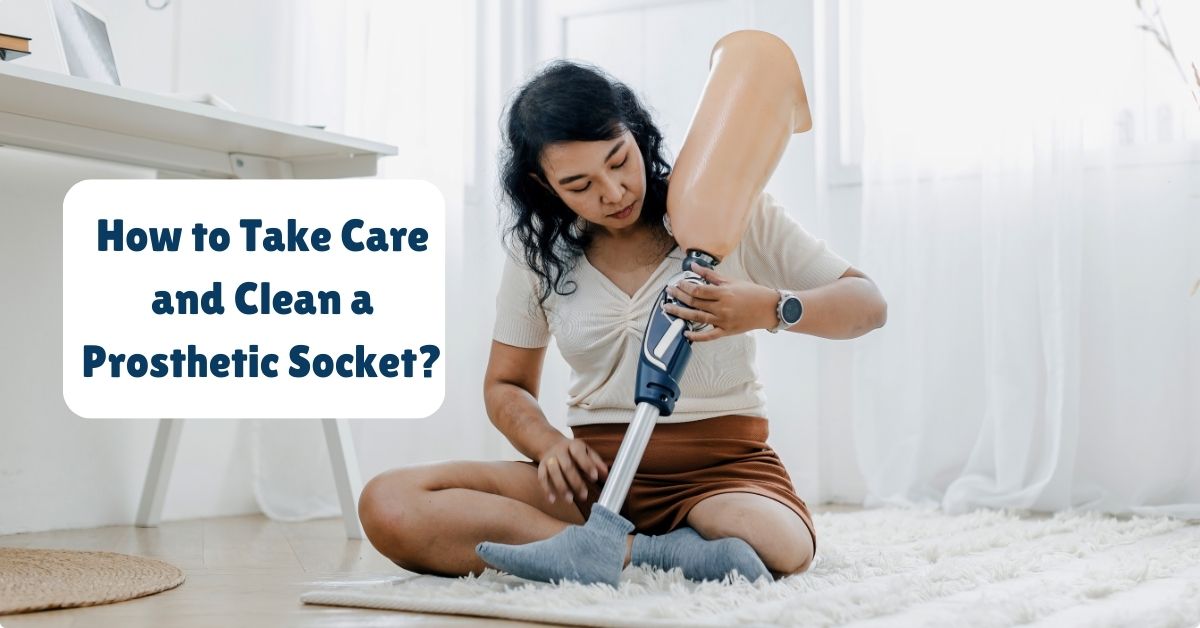
How to Take Care and Clean a Prosthetic Socket?
Living with a prosthetic limb is a journey that requires not just adaptation but also care and maintenance to ensure the longevity and functionality of the prosthetic device. A key component of any prosthetic limb is the prosthetic socket, which as the interface between the residual limb and the prosthetic device.we will explore the significance of cleaning and caring for your prosthetic socket, the necessary materials and tools for maintenance, and step-by-step instructions on how to clean both the interior and exterior of your prosthetic socket.
What Is A Prosthetic Socket?
A prosthetic socket is a custom-made component of a prosthetic limb that fits over the residual limb of an amputee. It is designed to provide comfort, support, and stability while allowing the individual to perform daily activities with ease. The prosthetic socket acts as a crucial link between the residual limb and the prosthetic device, facilitating mobility and enhancing the quality of life for amputees.
Why Is It Important To Clean Your Prosthetic Socket Regularly?
Regular cleaning of your prosthetic socket is crucial for maintaining your overall health and the functionality of your prosthetic limb. Here are some key reasons why it is important to clean your prosthetic socket regularly:
1. Preventing Infections
A clean prosthetic socket helps reduce the risk of skin infections and irritations. Bacteria, sweat, and dirt can accumulate within the socket, creating a breeding ground for harmful microorganisms that can lead to skin issues. Regular cleaning helps keep the socket free from contaminants, reducing the chances of infection.
2. Maintaining Hygiene
Proper hygiene is essential for preventing unpleasant odors and skin conditions. Regular cleaning of the prosthetic socket removes sweat, dead skin cells, and other residues that can cause odor and discomfort. By keeping the socket clean, you promote a hygienic environment that supports healthy skin and overall well-being.
3. Enhancing Comfort
A clean prosthetic socket contributes to your comfort and mobility. Residues and debris within the socket can cause friction, friction, and discomfort while wearing the prosthetic limb. By cleaning the socket regularly, you ensure a smooth and comfortable fit, allowing you to move freely without irritation or pain.
4. Prolonging Prosthetic Lifespan
Proper care and maintenance, including regular cleaning, can extend the lifespan of your prosthetic limb. Cleanliness helps prevent premature wear and tear on the socket and other components of the prosthetic device. By keeping the socket clean and well-maintained, you can maximize the durability and functionality of your prosthetic limb, reducing the need for costly repairs or replacements.
5. Improving Overall Well-being
Maintaining a clean prosthetic socket only benefits your physical health but also contributes to your emotional well-being. A clean and well-maintained prosthetic limb can boost your confidence, self-esteem, and quality of life. By taking the time to care for your prosthetic socket, you demonstrate self-respect and a commitment to your health and comfort, leading to a more positive and fulfilling lifestyle.
What Materials And Tools Do You Need For Cleaning A Prosthetic Socket?
When cleaning a prosthetic socket, having the right materials and tools on hand is essential to ensure a thorough and effective cleaning process. Here is a list of the materials and tools you will need to clean your prosthetic socket:
- Mild soap or specialized prosthetic cleaning solution
- Soft bristle brush or cloth
- Towel for drying
- Rubbing alcohol or disinfectant wipes
- Cotton swabs for detailed cleaning
- Prosthetic skin moisturizer or lotion (if recommended by your prosthetist)
Having these items on hand will ensure a thorough and effective cleaning process for your prosthetic socket.
How Should You Clean The Interior Of The Prosthetic Socket?
Learning the interior of your prosthetic socket is a critical step in maintaining hygiene, comfort, and skin health. Here is a step-by-step guide on how to clean the interior of the prosthetic socket effectively:
Steps to Clean the Interior of the Prosthetic Socket:
- Remove the Prosthetic Limb: Carefully detach the prosthetic limb from the socket before cleaning to ensure better access to the interior.
- Inspect for Debris: Visually inspect the interior of the socket for any debris, sweat, or residue that may have accumulated. Remove any visible particles or buildup before proceeding with the cleaning process.
- Prepare Cleaning Solution: Dilute a mild soap in water or use a specialized prosthetic cleaning solution recommended by your prosthetist. Ensure the cleaning solution is gentle and suitable for cleaning the interior of the socket without causing irritation.
- Use Soft Brush or Cloth: Dip a soft-bristled brush or a cloth into the cleaning solution. Gently scrub the interior of the prosthetic socket to remove dirt, sweat, and residue. Pay attention to areas where skin contact is most frequent.
- Rinse Thoroughly: After cleaning, rinse the interior of the socket with clean water to remove any soap residue. Ensure thorough rinsing to prevent skin irritation from leftover cleaning solution.
- Dry Completely: Use a clean and dry towel to pat the interior of the socket until it is completely dry. Moisture can lead to skin issues and discomfort, so ensure the socket is dry before reattaching the prosthetic limb.
- Inspect and Air Out: Take the time to inspect the interior of the socket for any remaining debris or signs of moisture. If necessary, allow the socket to air out in a well-ventilated area to ensure complete dryness.
- Moisturize (Optional): If recommended by your prosthetist, apply a prosthetic skin moisturizer or lotion to the clean and dry interior of the socket. This can help hydrate the skin and prevent dryness or irritation.
- Reattach the Prosthetic Limb: Once the interior of the socket is clean and dry, reattach the prosthetic limb securely. Ensure a comfortable and snug fit to maintain stability and mobility.
By following these steps and incorporating regular cleaning of the interior of your prosthetic socket into your prosthetic care routine, you can promote skin health, comfort, and overall well-being. Consult your prosthetist for personalized cleaning recommendations and guidance tailored to your specific prosthetic socket and individual needs.
How Do You Clean The Exterior Of The Prosthetic Socket?
Cleaning the exterior of your prosthetic socket is essential to maintain hygiene, appearance, and durability. Here is a guide on how to clean the exterior of the prosthetic socket effectively:
Steps to Clean the Exterior of the Prosthetic Socket:
- Wipe with Disinfectant:Start by using rubbing alcohol or disinfectant wipes to clean the external surface of the prosthetic socket. This helps to sanitize the exterior and remove bacteria and germs.
- Check for Damage: Inspect the exterior of the socket for any signs of wear, cracks, or damage. If you notice any issues, consult your prosthetist for evaluation and potential repairs.
- Moisturize if Needed: Apply prosthetic skin moisturizer or lotion to the exterior of the socket if recommended by your prosthetist. This can help keep the skin supple and prevent dryness.
- Allow to Air Dry: After cleaning and moisturizing (if applicable), allow the prosthetic socket to air dry completely. Ensure that the socket is dry before reattaching the prosthetic limb.
- Inspect for Residue: Check the exterior of the socket for any remaining residue or cleaning solution. Wipe off any excess product with a clean cloth to ensure the surface is clean and free from contaminants.
- Inspect Appearance: Take a moment to inspect the overall appearance of the prosthetic socket. Ensure that it is clean, smooth, and free from dirt or stains that may affect its aesthetics.
- Ensure Proper Fit: Before reattaching the prosthetic limb, confirm that the exterior of the socket is clean and dry. Verify that there are no obstructions or rough areas that could impact the fit or comfort of the prosthetic limb.
- Reattach the Prosthetic Limb: Once the exterior of the prosthetic socket is clean and dry, securely reattach the prosthetic limb. Ensure a snug and comfortable fit to maintain stability and mobility while wearing the prosthetic device.
By following these steps and incorporating regular cleaning of the exterior of your prosthetic socket into your prosthetic care routine, you can ensure the cleanliness, hygiene, and longevity of your prosthetic limb. Remember to consult your prosthetist for specific cleaning recommendations and guidance tailored to your prosthetic socket's material and maintenance needs. Regular cleaning and care of the exterior of the prosthetic socket can contribute to your overall comfort, confidence, and well-being.
Conclusion
Caring for your prosthetic socket is a vital aspect of maintaining your prosthetic limb's functionality and longevity. By following the guidelines outlined in this ultimate guide, you can ensure that your prosthetic socket remains clean, hygienic, and comfortable. Regular cleaning and proper maintenance only benefit your health but also enhance the performance and durability of your prosthetic device. If you're seeking high-quality prosthetic solutions, consider exploring products from a reputable prosthetics manufacturing company in India.
Remember to consult your prosthetist for specific cleaning recommendations tailored to your unique prosthetic socket and individual needs. Embrace a routine of cleaning and caring for your prosthetic socket to enjoy optimal comfort, mobility, and peace of mind in your daily activities.
If you experience discomfort or pain, contact your prosthetist immediately. They can make adjustments to improve the fit and alleviate any issues.
At Proactive Technical Orthopaedics, top prosthetic manufacturer in India, we understand the importance of finding the right prosthetic solution tailored to your unique needs. Our dedicated team of experts is here to guide you every step of the way, Contact today to schedule a consultation.
Proactive Technical Orthopaedics, a leading manufacturer and supplier of parallel bars, we prioritize providing customizable solutions tailored to each patient’s specific needs. Our parallel bars are designed to be adjustable, ensuring they meet various height and support requirements, making them ideal for gait training, especially for individuals using prosthetic limbs or orthotic devices. By offering adaptable equipment, Proactive helps create a safe and controlled environment that enhances recovery, improves mobility, and builds patient confidence as they work toward regaining their independence. Contact us for more information.
Always consult with a qualified healthcare provider or prosthetist regarding any concerns or questions about your prosthetic limb and its usage. Individual needs and circumstances may vary, and a healthcare professional can provide personalized guidance tailored to your specific situation.
Accessibility Services: In many countries, train stations offer special assistance for people with mobility issues. Contact the station in advance to request help with boarding or disembarking if needed.
Dealing with Travel Fatigue and Physical Strain
Travel can be exhausting, particularly for people with prosthetic limbs, as prolonged walking, standing, or sitting can lead to discomfort. Here are a few strategies to avoid fatigue:
a) Take Frequent Breaks
When traveling, take frequent breaks to rest your prosthetic limb. This is especially important when flying or driving long distances. Walk around to keep blood circulating, and when seated, try to stretch and adjust your position to avoid discomfort.
b) Know Your Limits
It’s easy to get caught up in the excitement of exploring a new destination, but it’s important to know your physical limits. If you feel tired or experience discomfort, don’t hesitate to take a break or shorten your activities for the day.
c) Hydrate and Stay Healthy
Staying hydrated is essential to avoiding fatigue and swelling, particularly if you’re flying. Drink plenty of water and avoid excessive caffeine or alcohol, as these can dehydrate you and exacerbate swelling in your residual limb.
International Travel and Adaptability
a) Research Your Destination
Different countries have varying levels of accessibility for people with disabilities. Research the accessibility of the places you’ll be visiting, especially if you’ll be using public transportation or visiting historical sites. Many cities offer guides or apps specifically designed for travelers with mobility challenges.
b) Learn About Local Healthcare Facilities
It's a good idea to familiarize yourself with local healthcare facilities, just in case you need to make repairs to your prosthesis or receive medical care during your trip. Knowing where to go in advance can save you time and reduce stress if an issue arises.
c) Prosthetic Insurance
Make sure your prosthetic is insured, particularly for international travel. In case your prosthesis gets damaged or lost, having insurance will ensure you can get repairs or replacements covered.
Travel-Friendly Prosthetic Options
Some prosthetic limbs are specifically designed for active lifestyles and travel. If you’re an avid traveler, speak with your prosthetist about travel-friendly prosthetic options. These may be lightweight, waterproof, or equipped with features that make them more adaptable to various activities.
For example:
Waterproof Prosthetics: If your trip includes swimming, beach activities, or water sports, you may want a waterproof prosthesis.
Activity-Specific Prosthetics: Some prosthetics are designed for hiking, running, or other high-impact activities. If you plan on doing outdoor activities during your trip, consider bringing or renting a specialized prosthetic limb.
Enjoying Your Destination
Once you’ve made it to your destination, it’s time to relax and enjoy yourself! Don’t let your prosthetic limit your experience—traveling is all about exploring new places and creating memories. Here are some final tips for making the most of your trip:
a) Use Accessible Accommodations
Many hotels and resorts offer rooms with accessibility features, such as roll-in showers, ramps, and wider doorways. When booking your accommodations, ask about these features to ensure your stay is comfortable.
b) Stay Active, But Be Comfortable
If you're visiting a city, take it easy and break up your activities with rest periods. Use public transport or rent mobility aids like electric scooters if necessary. If you’re exploring nature, stick to trails that are well-maintained and not too challenging.
Be Prepared and Confident in Your Prosthetic Care and Embrace the Joys of Travel
Traveling with a prosthetic may come with unique challenges, but with the right preparation, it can be a smooth and enjoyable experience. From pre-trip planning and airport navigation to exploring your destination with confidence, these tips will help ensure your trip is memorable for all the right reasons. Embrace the adventure, stay proactive about your prosthetic care, and enjoy everything that traveling has to offer!
At Proactive Technical Orthopaedics, top prosthetic manufacturer in India, we understand the importance of finding the right prosthetic solution tailored to your unique needs. Our dedicated team of experts is here to guide you every step of the way, Contact today to schedule a consultation.
Always consult with a qualified healthcare provider or prosthetist regarding any concerns or questions about your prosthetic limb and its usage. Individual needs and circumstances may vary, and a healthcare professional can provide personalized guidance tailored to your specific situation.
Adjusting your prosthetic limb is a normal part of living with one, and recognizing the signs early can save you from unnecessary discomfort or reduced mobility. Pay attention to your body and your prosthetic to ensure they work together seamlessly. By addressing these issues promptly and maintaining regular contact with your prosthetist, you can continue to enjoy a comfortable, active, and independent lifestyle.
Always consult with a qualified healthcare provider or prosthetist regarding any concerns or questions about your prosthetic limb and its usage. Individual needs and circumstances may vary, and a healthcare professional can provide personalized guidance tailored to your specific situation.
Looking for a dependable orthotic components supplier in India for your specific requirements? Contact us today to discuss your application, product needs, and fabrication requirements with our team. Let’s work together to support better orthotic solutions from the very first component.