What Is The Difference Between Custom-Made And Prefabricated Orthoses
Summary : Choosing an orthosis is not simply about picking a device from a shelf. The right option depends on the body part being supported, the level of correction required, comfort, daily activities, and individual anatomy. This article explains the difference between custom-made and prefabricated orthoses, how they are designed and fitted, where each option may be useful, and how professional assessment can help guide the decision.
Orthoses are external devices used to support, align, protect, stabilise, or assist parts of the body. They can be designed for the foot, ankle, knee, spine, hand, wrist, and other areas depending on the user's needs. Some are made specifically for one person, while others are manufactured in standard sizes and supplied ready to use.
This is where the difference between custom-made and prefabricated orthoses becomes important. A custom-made orthosis is developed around an individual's anatomy and functional requirements, while a prefabricated orthosis follows a standard design and sizing system. Neither option is automatically suitable for every person. The purpose of the device and the individual's needs should guide the choice.
What Are Custom-Made Orthoses?
Custom-made orthoses are designed and fabricated for a particular individual. The process generally starts with an assessment of the person's condition, anatomy, movement, functional requirements, and intended use of the device.
Depending on the body area and type of orthosis, the practitioner may take measurements, create an impression or cast, or use digital scanning technology. These details are then used to develop an orthosis with the required shape, support, alignment, and control.
Customisation can also involve selecting specific materials, joints, straps, padding, or other components. Once the device is produced, it can be checked during fitting and adjusted where necessary to improve comfort and function.
Individual Fit And Design
One of the main characteristics of a custom-made orthosis is its individual fit. The device is not simply chosen because it matches a standard size. Instead, its dimensions and design are based on the user's anatomy and the clinical purpose of the orthosis.
This can be especially useful when a person has unusual anatomy, significant asymmetry, specific pressure-distribution needs, or functional requirements that are difficult to meet with a standard device.
Personalised Fabrication Process
Custom fabrication usually involves several stages rather than immediate supply. Assessment, design, fabrication, fitting, and follow-up can all form part of the process. This makes it possible to make refinements when required.
How Do Prosthetics Improves Quality of Life & Independence
Every day, countless individuals face the challenge of adapting to life without a limb, a journey that can be both physically demanding and emotionally taxing. However, amidst these difficulties, the advancement of prosthetic technology has emerged as a beacon of hope, offering not just functional replacements for missing limbs, but also profound improvements in quality of life. In this exploration, let's uncover how these remarkable devices are reshaping the lives of amputees and empowering them to embrace new possibilities.
What is an (Prosthetics) Artificial Limb?
An artificial limb is a special device designed to help someone who has lost a part of their arm or leg. It's crafted to fit their body perfectly and assist them in doing things they might find challenging without it.
An artificial limb could be made to resemble a hand and perform some of the tasks a real hand can do. These limbs can be made from different materials such as plastic, metal, or carbon fibre.
What's fascinating is that some artificial limbs are quite advanced. They can be controlled by the person's muscles or even by their thoughts, thanks to amazing technology. These limbs are created to be comfortable and aid individuals in moving around more easily, making everyday activities like picking up objects or walking much simpler.
Ultimately, artificial limbs serve as supportive tools, helping individuals regain some of the functions they may have lost.
Who Uses Artificial Limbs?
Artificial limbs, also known as prosthetics, are used by people who have lost a part or all of their limb due to various reasons such as accidents, injuries, congenital conditions, or medical conditions like diabetes or vascular disease.
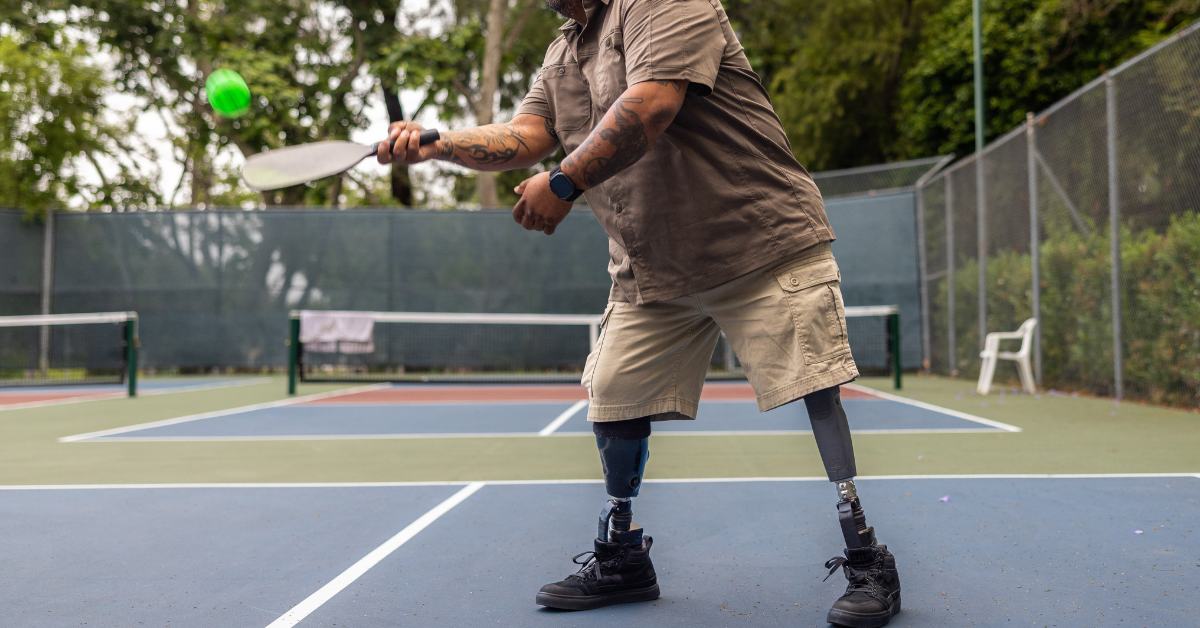
This includes individuals of all ages, from children to adults, who may require prosthetic arms, hands, legs, or feet to assist them in performing daily activities and improve their mobility and independence.
Additionally, athletes and veterans who have sustained injuries may also use specialised prosthetics tailored to their specific needs and activities. Ultimately, artificial limbs are designed to support and enhance the lives of anyone who requires assistance due to limb loss.
What Are The Four Main Types Of Artificial Limbs?
The four main types of artificial limbs are:
1. Transtibial (Below-Knee) Prostheses: These are designed for individuals who have undergone amputation below the knee. They typically consist of a socket that fits over the residual limb, a prosthetic foot, and sometimes a pylon for support.
2. Transfemoral (Above-Knee) Prostheses: These prostheses are for individuals who have had an amputation above the knee. They include a socket that fits over the residual limb, a knee joint, a pylon, and a prosthetic foot.
3. Transradial (Below-Elbow) Prostheses: These are for individuals who have lost a part or all of their forearm and hand. They typically consist of a socket, an elbow joint (if applicable), a pylon, and a prosthetic hand or hook.
4. Transhumeral (Above-Elbow) Prostheses: These prostheses are for individuals who have undergone amputation above the elbow. They include a socket, an elbow joint, a pylon, and a prosthetic hand or hook.
These types of prostheses can vary in design and complexity depending on the individual's needs, level of amputation, and functional goals. Additionally, there are specialized prostheses for specific activities or sports, such as swimming or running.
How Artificial Limbs, or Prosthetics are Improving the Quality of Life for Individuals?
1. Restoring Mobility: One of the primary ways prosthetics enhance quality of life is by restoring mobility. Whether it's walking, running, or engaging in daily activities, prosthetic limbs enable individuals to move around more freely, increasing independence and confidence.
2. Enhancing Functionality: Prosthetic limbs are designed to mimic the function of missing limbs as closely as possible. Advanced prosthetic technologies allow users to perform a wide range of tasks, such as grasping objects, typing, or even participating in sports and recreational activities, thereby enhancing their overall functionality and capability.
3. Improving Self-Esteem and Confidence: By restoring physical abilities, prosthetics can significantly boost self-esteem and confidence in individuals who have experienced limb loss. Being able to move and interact with the world more naturally can lead to a greater sense of empowerment and well-being.
4. Facilitating Social Integration: Prosthetic limbs help individuals integrate more fully into social settings and communities. With improved mobility and functionality, users can participate in social activities, engage in work or school, and maintain relationships more easily, reducing feelings of isolation and promoting social inclusion.
5. Supporting Psychological Well-being: Coping with limb loss can be emotionally challenging. Prosthetics provide a tangible solution that helps individuals adapt to their new circumstances and regain a sense of normalcy in their lives. This support can contribute to better mental health and overall psychological well-being.
6. Promoting Rehabilitation and Recovery: Prosthetic limbs are often a crucial part of the rehabilitation process following limb loss. By providing a means to exercise and strengthen muscles, as well as practice daily activities, prosthetics facilitate physical rehabilitation and aid in the recovery journey.
In summary, prosthetic limbs significantly improve the quality of life for individuals who have experienced limb loss by restoring mobility, enhancing functionality, boosting self-esteem and confidence, facilitating social integration, supporting psychological well-being, and promoting rehabilitation and recovery.
Contact us and book an appointment with our skilled practitioners to help your children reach their full potential.
At Proactive Technical Orthopaedics Ltd, we understand the importance of finding the right prosthetic solution tailored to your unique needs. Our dedicated team of experts is here to guide you every step of the way, Contact today to schedule a consultation.
Adjusting your prosthetic limb is a normal part of living with one, and recognizing the signs early can save you from unnecessary discomfort or reduced mobility. Pay attention to your body and your prosthetic to ensure they work together seamlessly. By addressing these issues promptly and maintaining regular contact with your prosthetist, you can continue to enjoy a comfortable, active, and independent lifestyle.
Always consult with a qualified healthcare provider or prosthetist regarding any concerns or questions about your prosthetic limb and its usage. Individual needs and circumstances may vary, and a healthcare professional can provide personalized guidance tailored to your specific situation.
Looking for a dependable orthotic components supplier in India for your specific requirements? Contact us today to discuss your application, product needs, and fabrication requirements with our team. Let’s work together to support better orthotic solutions from the very first component.