Summary : Choosing an orthosis is not simply about picking a device from a shelf. The right option depends on the body part being supported, the level of correction required, comfort, daily activities, and individual anatomy. This article explains the difference between custom-made and prefabricated orthoses, how they are designed and fitted, where each option may be useful, and how professional assessment can help guide the decision.
Orthoses are external devices used to support, align, protect, stabilise, or assist parts of the body. They can be designed for the foot, ankle, knee, spine, hand, wrist, and other areas depending on the user’s needs. Some are made specifically for one person, while others are manufactured in standard sizes and supplied ready to use.
This is where the difference between custom-made and prefabricated orthoses becomes important. A custom-made orthosis is developed around an individual’s anatomy and functional requirements, while a prefabricated orthosis follows a standard design and sizing system. Neither option is automatically suitable for every person. The purpose of the device and the individual’s needs should guide the choice.
What Are Custom-Made Orthoses?
Custom-made orthoses are designed and fabricated for a particular individual. The process generally starts with an assessment of the person’s condition, anatomy, movement, functional requirements, and intended use of the device.
Depending on the body area and type of orthosis, the practitioner may take measurements, create an impression or cast, or use digital scanning technology. These details are then used to develop an orthosis with the required shape, support, alignment, and control.
Customisation can also involve selecting specific materials, joints, straps, padding, or other components. Once the device is produced, it can be checked during fitting and adjusted where necessary to improve comfort and function.
Individual Fit And Design
One of the main characteristics of a custom-made orthosis is its individual fit. The device is not simply chosen because it matches a standard size. Instead, its dimensions and design are based on the user’s anatomy and the clinical purpose of the orthosis.
This can be especially useful when a person has unusual anatomy, significant asymmetry, specific pressure-distribution needs, or functional requirements that are difficult to meet with a standard device.
Personalised Fabrication Process
Custom fabrication usually involves several stages rather than immediate supply. Assessment, design, fabrication, fitting, and follow-up can all form part of the process. This makes it possible to make refinements when required.
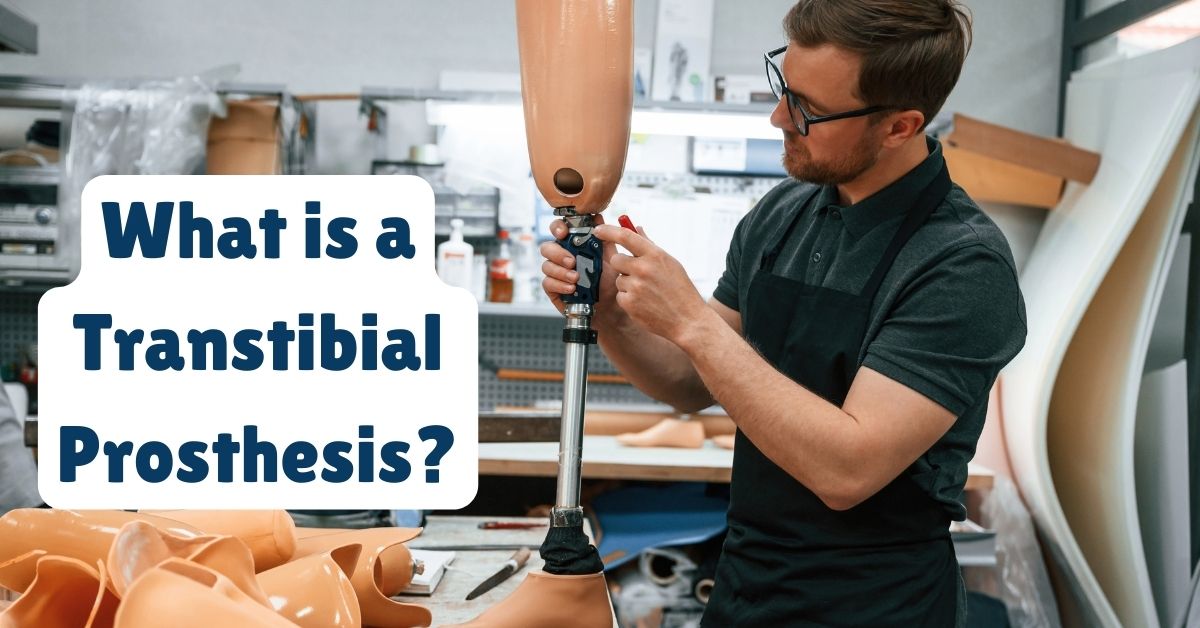
What is a Transtibial Prosthesis : A Journey of Resilience and Innovation
Have you ever wondered how someone who has lost part of their leg below the knee manages to walk, run, or even dance again? The answer lies in an incredible piece of technology known as a transtibial prosthesis. This device not only restores mobility but also brings back a sense of normalcy and independence to the lives of many. So, what exactly is a transtibial prosthesis, and how does it work?
What are the Types of Prosthetics?
Prosthetic limbs are designed to help individuals regain functionality and mobility after an amputation. There are four main types of prosthetics based on the level of amputation: transradial, transhumeral, transtibial, and transfemoral.
Transradial prosthetics are for below-the-elbow amputations and must provide a range of motions like gripping and holding, ensuring comfort, durability, and customization for daily tasks.
Transhumeral prosthetics, for above-the-elbow amputations, need to replicate complex movements of both the elbow and hand, offering good weight distribution, stability, and advanced control systems for effective use.
Transtibial prosthetics, used for below-the-knee amputations, focus on supporting walking, running, and other lower limb activities, providing stability, comfort, and durability.
Transfemoral prosthetics, for above-the-knee amputations, must replicate the knee joint’s movements, offer energy efficiency, and ensure comfort and secure suspension for various activities. Each type of prosthetic is designed to meet specific needs, ensuring users can achieve the best possible mobility and quality of life.
What is Actually Transtibial Prosthesis?
A transtibial prosthesis is an artificial limb designed for individuals who have had a below-the-knee amputation. This type of prosthesis replaces the missing segment of the leg, allowing the user to engage in everyday activities with a degree of normalcy that would be otherwise unattainable. But it’s more than just a mechanical replacement; it’s a blend of art, science, and resilience that embodies the spirit of human ingenuity.
Imagine losing a part of your leg and then being able to walk again, climb stairs, or play sports. It’s nothing short of miraculous, right? The transtibial prosthesis makes this possible through its sophisticated design and functionality.
What are the Components of a Transtibial Prosthesis?
To understand how a transtibial prosthesis works, let’s break down its primary components:
1. Socket: This is the part of the prosthesis that fits over the residual limb. It’s custom-made for each individual to ensure a comfortable and secure fit. The socket plays a crucial role in distributing the weight and reducing pressure points, which helps in preventing sores and discomfort.
2. Shank: The shank is the structural component that acts as the leg’s “bone,” connecting the socket to the prosthetic foot. It provides the necessary support and stability for walking and other movements.
3. Foot: Prosthetic feet come in various designs, ranging from simple, basic models to advanced, energy-storing versions that mimic the natural movement of a real foot. Some high-tech models even incorporate microprocessors to adjust the foot’s position in real-time, offering better balance and comfort.
The Process of Getting a Transtibial Prosthesis
The journey to getting a transtibial prosthesis is a combination of medical expertise and personal determination. It typically involves several steps:
1. Initial Assessment: The process begins with a thorough evaluation by a team of specialists, including doctors, prosthetists, and physical therapists. They assess the condition of the residual limb, overall health, and specific needs of the individual.
2. Casting and Measurement: To create a custom socket, the residual limb is measured and cast. This ensures the prosthesis will fit perfectly, providing maximum comfort and functionality.
3. Fitting and Adjustment: The initial fitting of the prosthesis is a critical step. It’s common for adjustments to be made during this phase to fine-tune the fit and alignment. This ensures the prosthesis feels natural and comfortable.
4. Rehabilitation and Training: Once the prosthesis is fitted, the individual undergoes physical therapy to learn how to use it effectively. This stage is essential for building strength, improving balance, and adapting to the new limb.
Living with a Transtibial Prosthesis
Living with a transtibial prosthesis involves more than just physical adaptation; it’s also about emotional and psychological adjustment. Imagine waking up one day to find a part of your body missing and then having to learn how to walk again. It requires immense resilience and a positive mindset.
Advances in Transtibial Prostheses
The field of prosthetics has seen incredible advancements over the years. Modern transtibial prostheses are not just functional; they are also highly sophisticated. Innovations include:
– Microprocessor-Controlled Feet: These feet adjust in real-time to changes in terrain and walking speed, providing a smoother and more natural gait.
– Energy-Storing Feet: Designed to store and release energy during walking, these feet mimic the natural movement of muscles and tendons, making walking less tiring.
– Lightweight Materials: Advances in materials science have led to the development of lighter and stronger prostheses, reducing the strain on the residual limb and enhancing comfort.
The Emotional Impact
While the physical benefits of a transtibial prosthesis are clear, the emotional and psychological impact is equally significant. Regaining mobility can dramatically improve an individual’s quality of life, boosting their confidence and sense of independence. The ability to participate in social activities, return to work, or engage in hobbies can make a profound difference in their mental well-being.
Conclusion
A transtibial prosthesis is more than just an artificial limb; it’s a testament to human resilience and innovation. It restores not only mobility but also a sense of normalcy and independence to those who have lost a part of themselves.
Through the combined efforts of medical professionals and the determination of the users, these prostheses help transform lives, enabling individuals to overcome their challenges and achieve their dreams.
So, the next time you see someone with a prosthetic leg, remember that behind that piece of technology is a story of courage, perseverance, and the incredible journey of rediscovery.
Contact us and book an appointment with our skilled practitioners to help your children reach their full potential.
At Proactive Technical Orthopaedics Ltd, we understand the importance of finding the right prosthetic solution tailored to your unique needs. Our dedicated team of experts is here to guide you every step of the way, Contact today to schedule a consultation.
Adjusting your prosthetic limb is a normal part of living with one, and recognizing the signs early can save you from unnecessary discomfort or reduced mobility. Pay attention to your body and your prosthetic to ensure they work together seamlessly. By addressing these issues promptly and maintaining regular contact with your prosthetist, you can continue to enjoy a comfortable, active, and independent lifestyle.
Always consult with a qualified healthcare provider or prosthetist regarding any concerns or questions about your prosthetic limb and its usage. Individual needs and circumstances may vary, and a healthcare professional can provide personalized guidance tailored to your specific situation.
Looking for a dependable orthotic components supplier in India for your specific requirements? Contact us today to discuss your application, product needs, and fabrication requirements with our team. Let’s work together to support better orthotic solutions from the very first component.