
What Is The Difference Between Custom-Made And Prefabricated Orthoses
Summary : Choosing an orthosis is not simply about picking a device from a shelf. The right option depends on the body part being supported, the level of correction required, comfort, daily activities, and individual anatomy. This article explains the difference between custom-made and prefabricated orthoses, how they are designed and fitted, where each option may be useful, and how professional assessment can help guide the decision.
Orthoses are external devices used to support, align, protect, stabilise, or assist parts of the body. They can be designed for the foot, ankle, knee, spine, hand, wrist, and other areas depending on the user's needs. Some are made specifically for one person, while others are manufactured in standard sizes and supplied ready to use.
This is where the difference between custom-made and prefabricated orthoses becomes important. A custom-made orthosis is developed around an individual's anatomy and functional requirements, while a prefabricated orthosis follows a standard design and sizing system. Neither option is automatically suitable for every person. The purpose of the device and the individual's needs should guide the choice.
What Are Custom-Made Orthoses?
Custom-made orthoses are designed and fabricated for a particular individual. The process generally starts with an assessment of the person's condition, anatomy, movement, functional requirements, and intended use of the device.
Depending on the body area and type of orthosis, the practitioner may take measurements, create an impression or cast, or use digital scanning technology. These details are then used to develop an orthosis with the required shape, support, alignment, and control.
Customisation can also involve selecting specific materials, joints, straps, padding, or other components. Once the device is produced, it can be checked during fitting and adjusted where necessary to improve comfort and function.
Individual Fit And Design
One of the main characteristics of a custom-made orthosis is its individual fit. The device is not simply chosen because it matches a standard size. Instead, its dimensions and design are based on the user's anatomy and the clinical purpose of the orthosis.
This can be especially useful when a person has unusual anatomy, significant asymmetry, specific pressure-distribution needs, or functional requirements that are difficult to meet with a standard device.
Personalised Fabrication Process
Custom fabrication usually involves several stages rather than immediate supply. Assessment, design, fabrication, fitting, and follow-up can all form part of the process. This makes it possible to make refinements when required.
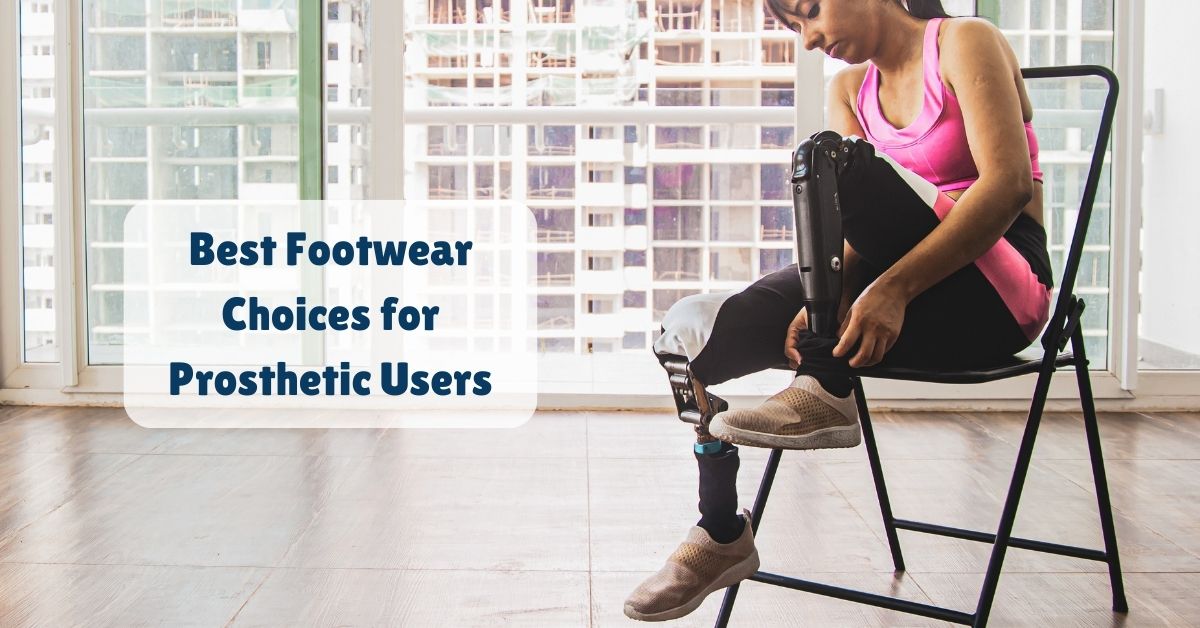
Best Footwear Choices for Prosthetic Users
Finding the perfect footwear for prosthetic users is about more than just style—it’s a critical part of achieving comfort, mobility, and confidence in daily life. The right pair of shoes can improve your balance, reduce discomfort, and protect both your prosthetic limb and your natural one.
For prosthetic users, footwear serves as both a functional necessity and a tool for personal expression, offering the opportunity to walk comfortably, move freely, and tackle the activities you love without limitations.
However, with countless designs, materials, and features available, selecting the ideal footwear can feel daunting.
Whether you’re shopping for everyday shoes, athletic gear, or something for a special occasion, understanding what to look for can make the process easier and more rewarding. This guide will provide you with practical tips, expert insights, and recommendations to help you choose footwear that complements your prosthetic and enhances your overall lifestyle.
Importance of Proper Footwear for Prosthetic Users
For individuals using prosthetics, footwear is more than just a fashion choice. Proper footwear:
- Enhances Comfort: Reduces pressure on the residual limb and ensures the prosthetic socket fits securely.
- Improves Balance: Helps maintain stability, especially during walking or standing.
- Protects the Prosthetic: Minimizes wear and tear, extending the lifespan of the prosthetic limb.
- Prevents Injuries: Reduces the risk of slips, trips, or falls caused by unsuitable footwear.
Key Factors to Consider When Choosing Footwear
1. Proper Fit
Footwear must fit snugly without being too tight or too loose. ill-fitting shoes can lead to discomfort, poor posture, and even injury. Always try both shoes on and walk around to test the fit.
2. Heel Height
For prosthetic users, heel height plays a crucial role in maintaining balance. A heel height of around 1 inch is generally recommended. Avoid shoes with high heels as they can strain the prosthetic and impact stability.
3. Weight of the Shoe
Lightweight shoes are ideal as they reduce the overall strain on the prosthetic limb, making it easier to move around. Heavy shoes can cause fatigue and unnecessary stress on the prosthetic joints.
4. Sole Material
Look for shoes with non-slip soles made of rubber or similar materials. A firm, cushioned sole provides good shock absorption and reduces impact on the prosthetic foot and residual limb.
5. Adjustability
Shoes with adjustable features, such as laces, Velcro straps, or buckles, are ideal. They allow for a more customized fit and accommodate swelling or size changes throughout the day.
Footwear Options for Prosthetic Users
1. Athletic Shoes
Athletic shoes are an excellent choice for their comfort, support, and lightweight design. Many models come with cushioned soles and adjustable features, making them suitable for prosthetic users who are active or enjoy sports.
2. Orthopedic Shoes
Orthopedic shoes are specifically designed for individuals with unique mobility needs. These shoes often have extra cushioning, arch support, and adjustable straps, making them perfect for users with prosthetic limbs.
3. Slip-On Shoes
Slip-on shoes are convenient for prosthetic users who may find tying laces challenging. Look for models with elasticized sides or stretchy material for ease of wear without compromising fit.
4. Boots
Low-heeled boots with sturdy soles are a good choice for outdoor activities. They provide excellent ankle support, which is crucial for maintaining balance on uneven terrain.
5. Casual Walking Shoes
Casual walking shoes are versatile and provide adequate support for everyday activities. Ensure they have good arch support and a cushioned insole for maximum comfort.
Tips for Choosing the Right Footwear
- Consult Your Prosthetist: Always seek advice from your prosthetist when selecting footwear. They can recommend shoes that work best with your specific prosthetic model.
- Bring Your Prosthetic During Shopping: Trying on shoes while wearing your prosthetic ensures a proper fit and helps you assess comfort and balance.
- Replace Shoes When Needed: Worn-out shoes can compromise stability and cause discomfort. Regularly inspect your footwear and replace it when necessary.
- Consider Inserts: Custom orthotic inserts can improve the fit and comfort of your shoes, especially if you experience uneven pressure or discomfort.
Footwear Choices for Specific Activities
1. Daily Activities
For daily wear, choose shoes with moderate cushioning, non-slip soles, and a comfortable fit. Casual sneakers or walking shoes are ideal for regular use.
2. Exercise and Sports
Athletic shoes with shock-absorbing soles and lightweight materials are perfect for physical activities. If you participate in specific sports, consider specialized footwear designed for those activities.
3. Formal Occasions
For formal wear, opt for low-heeled shoes or dress shoes with cushioned insoles. Ensure they provide stability and do not compromise balance for style.
4. Cold or Wet Conditions
In winter or wet weather, boots with insulated interiors and waterproof materials can keep your feet warm and dry. Ensure they have anti-slip soles for better grip.
Common Mistakes to Avoid
- Choosing Fashion Over Function: Stylish shoes that lack proper support can lead to discomfort and injuries. Always prioritize function over appearance.
- Ignoring Heel Height: Even a slight change in heel height can affect the alignment of your prosthetic limb. Stick to shoes with a consistent heel height.
- Buying Without Trying: Always try on shoes with your prosthetic limb before purchasing to ensure a proper fit and comfort.
Stepping Forward
Choosing the right footwear as a prosthetic user is about embracing comfort, functionality, and your unique needs. The perfect pair of shoes can boost mobility, enhance stability, and make daily activities more seamless, ultimately contributing to a better quality of life. Whether you’re picking shoes for everyday wear, athletic endeavors, or special events, prioritizing your comfort and prosthetic compatibility is key.
Remember, the right footwear doesn’t just support your mobility—it empowers you to walk confidently into every step of your journey, reinforcing your independence and self-assurance. With thoughtful choices, your shoes can be more than a necessity; they can be a tool to help you live your life to the fullest.
Always consult with a qualified healthcare provider or prosthetist regarding any concerns or questions about your prosthetic limb and its usage. Individual needs and circumstances may vary, and a healthcare professional can provide personalized guidance tailored to your specific situation.
Adjusting your prosthetic limb is a normal part of living with one, and recognizing the signs early can save you from unnecessary discomfort or reduced mobility. Pay attention to your body and your prosthetic to ensure they work together seamlessly. By addressing these issues promptly and maintaining regular contact with your prosthetist, you can continue to enjoy a comfortable, active, and independent lifestyle.
Always consult with a qualified healthcare provider or prosthetist regarding any concerns or questions about your prosthetic limb and its usage. Individual needs and circumstances may vary, and a healthcare professional can provide personalized guidance tailored to your specific situation.
Looking for a dependable orthotic components supplier in India for your specific requirements? Contact us today to discuss your application, product needs, and fabrication requirements with our team. Let’s work together to support better orthotic solutions from the very first component.
Frequently Asked Questions
What Is The Main Difference Between Custom-Made And Prefabricated Orthoses?
Custom-made orthoses are designed and fabricated for an individual using their measurements, anatomy, and functional requirements. Prefabricated orthoses are manufactured in standard designs and sizes and are selected from available options based on the user's needs.
Are Prefabricated Orthoses Effective?
Yes, prefabricated orthoses can be effective when their design, size, and support characteristics are appropriate for the person's condition and intended use. Their effectiveness depends on the individual application rather than simply being labelled as prefabricated.
Are Custom-Made Orthoses Always Better?
No. Custom-made orthoses are not automatically better for every user or condition. Research in areas such as plantar heel pain has not consistently demonstrated a clear advantage of custom foot orthoses over prefabricated alternatives for all outcomes.
How Are Custom Orthoses Made?
Custom orthoses are usually developed after an individual assessment. Depending on the device, the process may involve measurements, casting, impressions, or digital scanning, followed by design, fabrication, fitting, and adjustments.
Who Can Help Select The Right Orthosis?
A qualified orthotic professional or appropriate healthcare professional can assess the person's condition, anatomy, movement, activity requirements, and intended use before recommending a suitable orthotic solution.