
What Is The Difference Between Custom-Made And Prefabricated Orthoses
Summary : Choosing an orthosis is not simply about picking a device from a shelf. The right option depends on the body part being supported, the level of correction required, comfort, daily activities, and individual anatomy. This article explains the difference between custom-made and prefabricated orthoses, how they are designed and fitted, where each option may be useful, and how professional assessment can help guide the decision.
Orthoses are external devices used to support, align, protect, stabilise, or assist parts of the body. They can be designed for the foot, ankle, knee, spine, hand, wrist, and other areas depending on the user's needs. Some are made specifically for one person, while others are manufactured in standard sizes and supplied ready to use.
This is where the difference between custom-made and prefabricated orthoses becomes important. A custom-made orthosis is developed around an individual's anatomy and functional requirements, while a prefabricated orthosis follows a standard design and sizing system. Neither option is automatically suitable for every person. The purpose of the device and the individual's needs should guide the choice.
What Are Custom-Made Orthoses?
Custom-made orthoses are designed and fabricated for a particular individual. The process generally starts with an assessment of the person's condition, anatomy, movement, functional requirements, and intended use of the device.
Depending on the body area and type of orthosis, the practitioner may take measurements, create an impression or cast, or use digital scanning technology. These details are then used to develop an orthosis with the required shape, support, alignment, and control.
Customisation can also involve selecting specific materials, joints, straps, padding, or other components. Once the device is produced, it can be checked during fitting and adjusted where necessary to improve comfort and function.
Individual Fit And Design
One of the main characteristics of a custom-made orthosis is its individual fit. The device is not simply chosen because it matches a standard size. Instead, its dimensions and design are based on the user's anatomy and the clinical purpose of the orthosis.
This can be especially useful when a person has unusual anatomy, significant asymmetry, specific pressure-distribution needs, or functional requirements that are difficult to meet with a standard device.
Personalised Fabrication Process
Custom fabrication usually involves several stages rather than immediate supply. Assessment, design, fabrication, fitting, and follow-up can all form part of the process. This makes it possible to make refinements when required.
Cold Weather Care Tips for Prosthetic Wearers
Cold weather brings unique challenges for prosthetic wearers, from maintaining comfort to ensuring the prosthetic remains functional and safe. Winter conditions like freezing temperatures, icy paths, and dry air can affect both the residual limb and the prosthetic itself. This guide provides practical tips to help prosthetic wearers stay comfortable, safe, and proactive during the colder months.
1. Keep Your Residual Limb Warm and Protected
Cold temperatures can cause the blood vessels in the residual limb to constrict, leading to discomfort, numbness, or reduced circulation.
- Layer Up Smartly: Wear thermal liners, warm socks, or insulated covers over your residual limb. Materials like fleece or wool can help retain heat.
- Avoid Prolonged Exposure: Limit time outdoors in freezing weather to prevent frostbite or skin irritation.
- Use Hand Warmers: Consider placing a safe, gentle heat source, like a hand warmer, near your prosthetic socket (but not in direct contact) to maintain warmth.
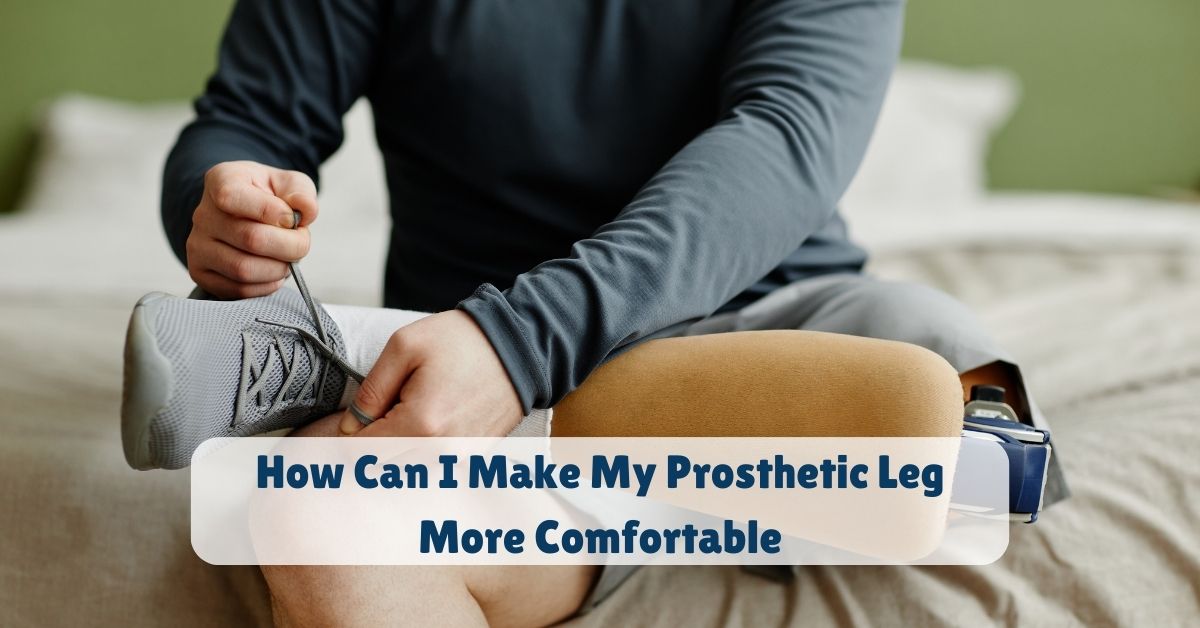
How Can I Make My Prosthetic Leg More Comfortable
Adjusting to a prosthetic leg requires patience and a combination of strategies to enhance comfort. While prosthetic limbs bring freedom and mobility, ensuring they fit well and feel comfortable is crucial for daily life. Here’s how you can work toward making your prosthetic leg more comfortable.
Prioritize a Proper Fit
The foundation of a comfortable prosthetic leg is a proper fit. A poorly fitting prosthetic can cause discomfort, pressure points, or even skin irritation. If you experience tightness, rubbing, or gaps in your prosthetic socket, consult with your prosthetist immediately. They can make necessary adjustments to the fit and alignment to ensure the prosthetic is secure without being restrictive. Keep in mind that your residual limb may change over time due to swelling or weight fluctuations, so periodic visits to your prosthetist are essential.
Choose the Right Liner
A well-fitted liner can significantly improve comfort. Liners act as a cushion between your residual limb and the prosthetic socket, reducing friction and absorbing impact from daily movement.
Opt for liners made from soft, breathable, and skin-friendly materials. Regularly inspect the liner for wear and tear, as a worn-out liner can compromise your comfort and even cause skin issues.
Maintain Good Skin Care
Taking care of the skin on your residual limb is critical for comfort. Clean your limb daily using mild soap and water to remove sweat and bacteria. Proper hygiene helps prevent skin irritation and infections.
Moisturizing your skin is also beneficial but avoid applying lotion immediately before wearing your prosthetic, as it can make the skin slippery and affect the fit. Inspect your skin regularly for redness, blisters, or soreness, and address any issues promptly to avoid complications.
Use Prosthetic Socks for Adjustments
Prosthetic socks can help fine-tune the fit of your prosthetic throughout the day. These socks come in different thicknesses and are used to fill in space as your limb changes due to swelling or weight loss. Adding or removing layers can make a significant difference in how your prosthetic feels, offering greater comfort and stability during movement.
Practice Proper Alignment and Posture
Proper alignment and posture play a key role in prosthetic comfort. Ensure your prosthetic is aligned correctly to distribute weight evenly and reduce strain on your residual limb. Poor alignment can lead to discomfort and even long-term issues like joint pain.
Working with a physical therapist can help you learn techniques to improve your posture and alignment while walking or performing other activities.
Gradually Increase Wear Time
When you’re new to using a prosthetic leg, it’s essential to ease into wearing it. Gradually increase your wear time to allow your body to adapt. Overloading your residual limb too quickly can lead to soreness and fatigue. Start with short durations and build up as your comfort and endurance improve.
Stay Active and Build Strength
Staying physically active and strengthening the muscles in your residual limb and core can make wearing your prosthetic more comfortable. Stronger muscles provide better support and balance, reducing strain on your limb. Engaging in exercises specifically tailored to prosthetic users, under the guidance of a physical therapist, can greatly enhance your comfort and mobility.
Communicate with Your Prosthetist
Regular communication with your prosthetist is vital to maintaining a comfortable prosthetic. If you notice any discomfort, don’t hesitate to share your concerns. Your prosthetist can make necessary adjustments or suggest solutions to address specific issues. Routine checkups ensure your prosthetic continues to meet your needs and adapts to any changes in your residual limb.
Be Patient with the Process
Comfort with a prosthetic leg doesn’t happen overnight. It takes time for your body to adjust and for you to identify the combination of strategies that work best for you. Stay patient and persistent, and don’t hesitate to seek support from professionals or other prosthetic users to share experiences and advice.
Enhancing Comfort for a Better Journey
Making a prosthetic leg more comfortable is a personalized process that involves a combination of proper fit, good hygiene, regular adjustments, and physical activity. By prioritizing communication with your prosthetist and maintaining a proactive approach to care, you can enhance your comfort and make daily life with a prosthetic more manageable and enjoyable.
Always consult with a qualified healthcare provider or prosthetist regarding any concerns or questions about your prosthetic limb and its usage. Individual needs and circumstances may vary, and a healthcare professional can provide personalized guidance tailored to your specific situation.
Adjusting your prosthetic limb is a normal part of living with one, and recognizing the signs early can save you from unnecessary discomfort or reduced mobility. Pay attention to your body and your prosthetic to ensure they work together seamlessly. By addressing these issues promptly and maintaining regular contact with your prosthetist, you can continue to enjoy a comfortable, active, and independent lifestyle.
Always consult with a qualified healthcare provider or prosthetist regarding any concerns or questions about your prosthetic limb and its usage. Individual needs and circumstances may vary, and a healthcare professional can provide personalized guidance tailored to your specific situation.
Looking for a dependable orthotic components supplier in India for your specific requirements? Contact us today to discuss your application, product needs, and fabrication requirements with our team. Let’s work together to support better orthotic solutions from the very first component.
Frequently Asked Questions
What Is The Main Difference Between Custom-Made And Prefabricated Orthoses?
Custom-made orthoses are designed and fabricated for an individual using their measurements, anatomy, and functional requirements. Prefabricated orthoses are manufactured in standard designs and sizes and are selected from available options based on the user's needs.
Are Prefabricated Orthoses Effective?
Yes, prefabricated orthoses can be effective when their design, size, and support characteristics are appropriate for the person's condition and intended use. Their effectiveness depends on the individual application rather than simply being labelled as prefabricated.
Are Custom-Made Orthoses Always Better?
No. Custom-made orthoses are not automatically better for every user or condition. Research in areas such as plantar heel pain has not consistently demonstrated a clear advantage of custom foot orthoses over prefabricated alternatives for all outcomes.
How Are Custom Orthoses Made?
Custom orthoses are usually developed after an individual assessment. Depending on the device, the process may involve measurements, casting, impressions, or digital scanning, followed by design, fabrication, fitting, and adjustments.
Who Can Help Select The Right Orthosis?
A qualified orthotic professional or appropriate healthcare professional can assess the person's condition, anatomy, movement, activity requirements, and intended use before recommending a suitable orthotic solution.