What Is The Difference Between Custom-Made And Prefabricated Orthoses
Summary : Choosing an orthosis is not simply about picking a device from a shelf. The right option depends on the body part being supported, the level of correction required, comfort, daily activities, and individual anatomy. This article explains the difference between custom-made and prefabricated orthoses, how they are designed and fitted, where each option may be useful, and how professional assessment can help guide the decision.
Orthoses are external devices used to support, align, protect, stabilise, or assist parts of the body. They can be designed for the foot, ankle, knee, spine, hand, wrist, and other areas depending on the user's needs. Some are made specifically for one person, while others are manufactured in standard sizes and supplied ready to use.
This is where the difference between custom-made and prefabricated orthoses becomes important. A custom-made orthosis is developed around an individual's anatomy and functional requirements, while a prefabricated orthosis follows a standard design and sizing system. Neither option is automatically suitable for every person. The purpose of the device and the individual's needs should guide the choice.
What Are Custom-Made Orthoses?
Custom-made orthoses are designed and fabricated for a particular individual. The process generally starts with an assessment of the person's condition, anatomy, movement, functional requirements, and intended use of the device.
Depending on the body area and type of orthosis, the practitioner may take measurements, create an impression or cast, or use digital scanning technology. These details are then used to develop an orthosis with the required shape, support, alignment, and control.
Customisation can also involve selecting specific materials, joints, straps, padding, or other components. Once the device is produced, it can be checked during fitting and adjusted where necessary to improve comfort and function.
Individual Fit And Design
One of the main characteristics of a custom-made orthosis is its individual fit. The device is not simply chosen because it matches a standard size. Instead, its dimensions and design are based on the user's anatomy and the clinical purpose of the orthosis.
This can be especially useful when a person has unusual anatomy, significant asymmetry, specific pressure-distribution needs, or functional requirements that are difficult to meet with a standard device.
Personalised Fabrication Process
Custom fabrication usually involves several stages rather than immediate supply. Assessment, design, fabrication, fitting, and follow-up can all form part of the process. This makes it possible to make refinements when required.
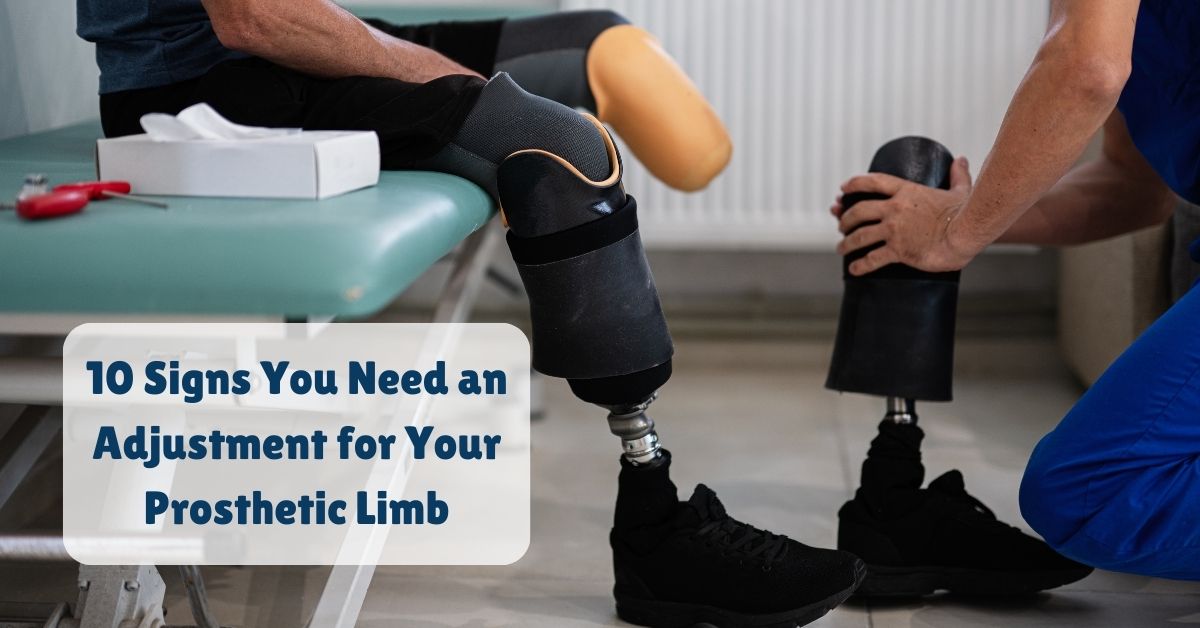
10 Signs You Need an Adjustment for Your Prosthetic Limb
Living with a prosthetic limb can significantly enhance mobility and independence, but over time, adjustments may be necessary to maintain comfort, functionality, and proper alignment. Whether due to changes in your body or wear and tear of the prosthetic, recognizing the signs early can prevent discomfort and ensure you get the best experience. Here are 10 key signs that it may be time for a prosthetic adjustment.
1. Increased Discomfort or Pain
One of the most noticeable signs that your prosthetic needs an adjustment is persistent discomfort or pain. Prosthetics are designed to fit snugly, but changes in your residual limb, such as swelling, weight fluctuations, or skin irritation, can make them uncomfortable. Pain may indicate misalignment or pressure points that need immediate attention. By proper prosthetics and skin care it is possible to avoid these discomforts.
2. Skin Irritation or Sores
Skin issues like redness, blisters, or sores around the socket area can be a clear sign of a poor fit. These problems may occur if the prosthetic rubs against your skin due to looseness or uneven pressure distribution. Addressing these issues promptly can prevent infections and long-term skin damage.
Certain medical conditions, like diabetes, can affect skin health and increase the risk of complications, including infections. It's crucial for individuals with such conditions to regularly monitor their prosthetic limb and skin condition, seeking prompt medical advice if any issues arise.
3. Difficulty Walking or Maintaining Balance
If you find it harder to walk, maintain balance, or perform daily activities, your prosthetic alignment could be off. A misaligned prosthetic can throw off your gait, leading to awkward movements or even falls. An adjustment can restore proper function and ensure smoother movement.
4. Unusual Noises from the Prosthetic
Clicks, creaks, or squeaks coming from your prosthetic limb are not normal. These sounds often indicate that components are loose, worn out, or improperly assembled. If you notice such noises, consult your prosthetist to assess and resolve the issue.
5. Change in Residual Limb Size or Shape
The shape and size of your residual limb can change over time due to factors like weight gain, muscle atrophy, or swelling. These changes can cause your prosthetic to fit improperly, leading to discomfort and reduced functionality. Regular fittings can help accommodate these changes.
6. Reduced Performance During Activities
If your prosthetic limb no longer supports you during physical activities as it once did, it might need adjustment. For instance, a sports prosthetic may lose its springiness or stability, making running, cycling, or swimming more challenging. This is a sign to revisit its fit or components.
7. Loosening or Sliding of the Prosthetic
A properly fitted prosthetic should stay securely in place. If it starts to feel loose or slides around, it could be due to wear in the socket, liner, or suspension system. Adjustments or replacements of specific parts may be necessary to restore a snug fit.
8. Uneven Wear on the Prosthetic
Inspect your prosthetic limb regularly for signs of uneven wear on the foot, joints, or other components. Uneven wear can indicate alignment issues or excessive strain on certain parts, which may lead to a breakdown if not addressed. A quick adjustment can prolong the life of the prosthetic.
9. Difficulty Putting On or Taking Off the Prosthetic
If donning or doffing your prosthetic limb has become increasingly difficult, it may signal a change in fit or alignment. A well-adjusted prosthetic should be easy to handle without excessive force. Your prosthetist can tweak the fit to ensure smooth usage.
10. Changes in Lifestyle or Activity Level
Lifestyle changes, such as starting a new sport or switching to a more physically demanding job, might require modifications to your prosthetic limb. Different activity levels place varying demands on the prosthetic, and adjustments can help optimize it for your new routine.
How to Address These Issues
If you experience any of the signs mentioned above, it’s important to consult your prosthetist. They will perform a thorough assessment to identify the problem and make necessary adjustments. Here’s what you can do in the meantime:
- Keep Track of Changes: Note any discomfort, changes in fit, or performance issues you experience. Sharing these details with your prosthetist will help them address the problem more effectively.
- Schedule Regular Checkups: Regular follow-ups with your prosthetist ensure that minor issues are caught and resolved before they become major problems.
- Follow Maintenance Guidelines: Proper cleaning, care, and inspection of your prosthetic limb can reduce wear and tear, prolonging its lifespan.
Importance of Regular Maintenance for Your Prosthetic Limb
Regular maintenance is critical to ensure your prosthetic limb functions efficiently and remains comfortable. Over time, components of the prosthetic can wear out due to daily use, environmental factors, or changes in your body. By scheduling routine checkups with your prosthetist, you can identify minor issues before they become significant problems. Maintenance tasks may include tightening loose parts, replacing worn-out components, and ensuring proper alignment.
Additionally, cleaning the prosthetic as per the manufacturer’s instructions helps prevent hygiene-related issues like skin irritation. Proper prosthetic care not only extends the lifespan of your prosthetic but also enhances its performance, ensuring you maintain mobility and independence.
Moving Forward with Confidence
Adjusting your prosthetic limb is a normal part of living with one, and recognizing the signs early can save you from unnecessary discomfort or reduced mobility. Pay attention to your body and your prosthetic to ensure they work together seamlessly. By addressing these issues promptly and maintaining regular contact with your prosthetist, you can continue to enjoy a comfortable, active, and independent lifestyle.
Always consult with a qualified healthcare provider or prosthetist regarding any concerns or questions about your prosthetic limb and its usage. Individual needs and circumstances may vary, and a healthcare professional can provide personalized guidance tailored to your specific situation.
Looking for a dependable orthotic components supplier in India for your specific requirements? Contact us today to discuss your application, product needs, and fabrication requirements with our team. Let’s work together to support better orthotic solutions from the very first component.
Frequently Asked Questions
What Is The Main Difference Between Custom-Made And Prefabricated Orthoses?
Custom-made orthoses are designed and fabricated for an individual using their measurements, anatomy, and functional requirements. Prefabricated orthoses are manufactured in standard designs and sizes and are selected from available options based on the user's needs.
Are Prefabricated Orthoses Effective?
Yes, prefabricated orthoses can be effective when their design, size, and support characteristics are appropriate for the person's condition and intended use. Their effectiveness depends on the individual application rather than simply being labelled as prefabricated.
Are Custom-Made Orthoses Always Better?
No. Custom-made orthoses are not automatically better for every user or condition. Research in areas such as plantar heel pain has not consistently demonstrated a clear advantage of custom foot orthoses over prefabricated alternatives for all outcomes.
How Are Custom Orthoses Made?
Custom orthoses are usually developed after an individual assessment. Depending on the device, the process may involve measurements, casting, impressions, or digital scanning, followed by design, fabrication, fitting, and adjustments.
Who Can Help Select The Right Orthosis?
A qualified orthotic professional or appropriate healthcare professional can assess the person's condition, anatomy, movement, activity requirements, and intended use before recommending a suitable orthotic solution.