10 Signs You Need an Adjustment for Your Prosthetic Limb
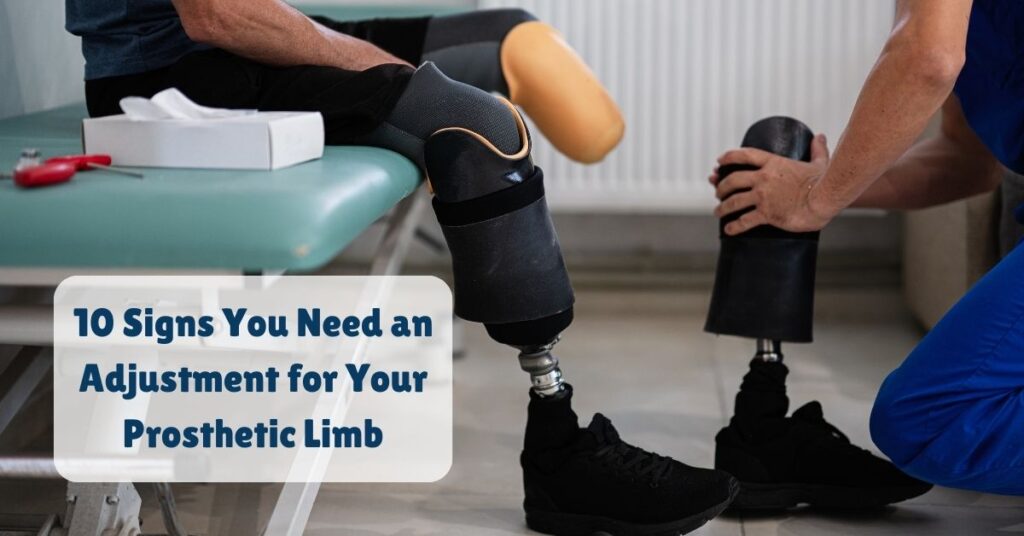
What Is The Difference Between Custom-Made And Prefabricated Orthoses Summary : Choosing an orthosis is not simply about picking a device from a shelf. The right option depends on the body part being supported, the level of correction required, comfort, daily activities, and individual anatomy. This article explains the difference between custom-made and prefabricated orthoses, how they are designed and fitted, where each option may be useful, and how professional assessment can help guide the decision. Orthoses are external devices used to support, align, protect, stabilise, or assist parts of the body. They can be designed for the foot, ankle, knee, spine, hand, wrist, and other areas depending on the user's needs. Some are made specifically for one person, while others are manufactured in standard sizes and supplied ready to use. This is where the difference between custom-made and prefabricated orthoses becomes important. A custom-made orthosis is developed around an individual's anatomy and functional requirements, while a prefabricated orthosis follows a standard design and sizing system. Neither option is automatically suitable for every person. The purpose of the device and the individual's needs should guide the choice. What Are Custom-Made Orthoses? Custom-made orthoses are designed and fabricated for a particular individual. The process generally starts with an assessment of the person's condition, anatomy, movement, functional requirements, and intended use of the device. Depending on the body area and type of orthosis, the practitioner may take measurements, create an impression or cast, or use digital scanning technology. These details are then used to develop an orthosis with the required shape, support, alignment, and control. Customisation can also involve selecting specific materials, joints, straps, padding, or other components. Once the device is produced, it can be checked during fitting and adjusted where necessary to improve comfort and function. Individual Fit And Design One of the main characteristics of a custom-made orthosis is its individual fit. The device is not simply chosen because it matches a standard size. Instead, its dimensions and design are based on the user's anatomy and the clinical purpose of the orthosis. This can be especially useful when a person has unusual anatomy, significant asymmetry, specific pressure-distribution needs, or functional requirements that are difficult to meet with a standard device. Personalised Fabrication Process Custom fabrication usually involves several stages rather than immediate supply. Assessment, design, fabrication, fitting, and follow-up can all form part of the process. This makes it possible to make refinements when required. 10 Signs You Need an Adjustment for Your Prosthetic Limb Living with a prosthetic limb can significantly enhance mobility and independence, but over time, adjustments may be necessary to maintain comfort, functionality, and proper alignment. Whether due to changes in your body or wear and tear of the prosthetic, recognizing the signs early can prevent discomfort and ensure you get the best experience. Here are 10 key signs that it may be time for a prosthetic adjustment. 1. Increased Discomfort or Pain One of the most noticeable signs that your prosthetic needs an adjustment is persistent discomfort or pain. Prosthetics are designed to fit snugly, but changes in your residual limb, such as swelling, weight fluctuations, or skin irritation, can make them uncomfortable. Pain may indicate misalignment or pressure points that need immediate attention. By proper prosthetics and skin care it is possible to avoid these discomforts. 2. Skin Irritation or Sores Skin issues like redness, blisters, or sores around the socket area can be a clear sign of a poor fit. These problems may occur if the prosthetic rubs against your skin due to looseness or uneven pressure distribution. Addressing these issues promptly can prevent infections and long-term skin damage. Certain medical conditions, like diabetes, can affect skin health and increase the risk of complications, including infections. It's crucial for individuals with such conditions to regularly monitor their prosthetic limb and skin condition, seeking prompt medical advice if any issues arise. 3. Difficulty Walking or Maintaining Balance If you find it harder to walk, maintain balance, or perform daily activities, your prosthetic alignment could be off. A misaligned prosthetic can throw off your gait, leading to awkward movements or even falls. An adjustment can restore proper function and ensure smoother movement. 4. Unusual Noises from the Prosthetic Clicks, creaks, or squeaks coming from your prosthetic limb are not normal. These sounds often indicate that components are loose, worn out, or improperly assembled. If you notice such noises, consult your prosthetist to assess and resolve the issue. 5. Change in Residual Limb Size or Shape The shape and size of your residual limb can change over time due to factors like weight gain, muscle atrophy, or swelling. These changes can cause your prosthetic to fit improperly, leading to discomfort and reduced functionality. Regular fittings can help accommodate these changes. 6. Reduced Performance During Activities If your prosthetic limb no longer supports you during physical activities as it once did, it might need adjustment. For instance, a sports prosthetic may lose its springiness or stability, making running, cycling, or swimming more challenging. This is a sign to revisit its fit or components. 7. Loosening or Sliding of the Prosthetic A properly fitted prosthetic should stay securely in place. If it starts to feel loose or slides around, it could be due to wear in the socket, liner, or suspension system. Adjustments or replacements of specific parts may be necessary to restore a snug fit. 8. Uneven Wear on the Prosthetic Inspect your prosthetic limb regularly for signs of uneven wear on the foot, joints, or other components. Uneven wear can indicate alignment issues or excessive strain on certain parts, which may lead to a breakdown if not addressed. A quick adjustment can prolong the life of the prosthetic. 9. Difficulty Putting On or Taking Off the Prosthetic If donning or doffing your prosthetic limb has become increasingly difficult, it may signal a change in fit or alignment. A well-adjusted prosthetic should be easy to handle without excessive force. Your prosthetist can tweak the fit
Differences Between Above-Knee and Below-Knee Prosthetics
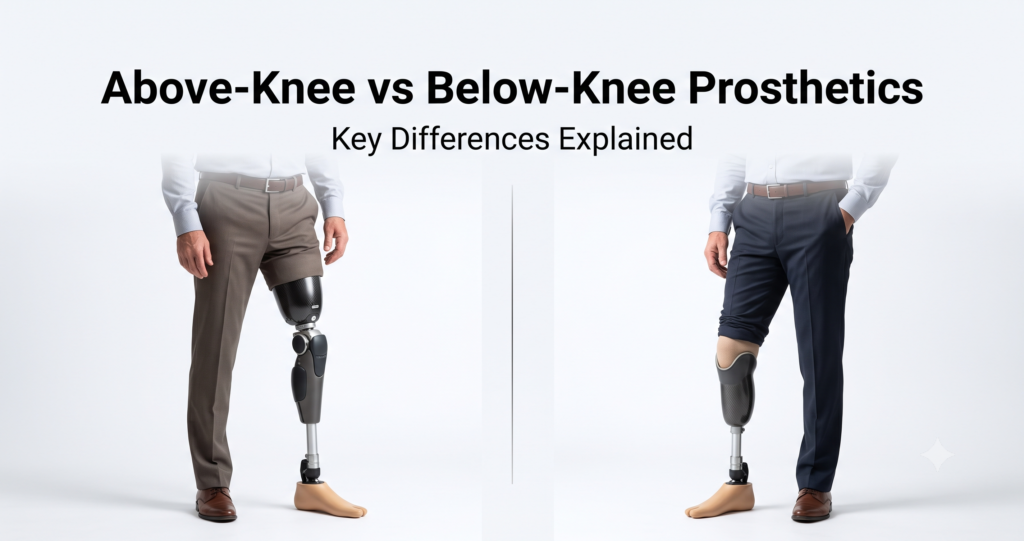
Prosthetics play a critical role in restoring mobility and independence for individuals with limb loss. Among the most common types are above-knee prosthetics and below-knee prosthetics, each designed to cater to specific needs. While both aim to assist in walking and performing daily tasks, the level of amputation significantly impacts the design, function, and use of the prosthetic. This blog explores the key differences between these two types of prosthetics and provides insights into their benefits and considerations. Understanding the Basics Above-Knee Prosthetics Below-Knee Prosthetics Key Differences Between Above-Knee and Below-Knee Prosthetics Design and Structure Above-Knee Prosthetics: Include an artificial knee joint, making them more complex and heavier. The knee mechanism is crucial for stability and movement. Below-Knee Prosthetics: Simpler in design, as they rely on the user’s natural knee joint for movement and stability. Mobility and Functionality: Above-Knee: Movement requires more energy and effort because the user must control both the knee and foot components. Advanced models use microprocessor technology for smoother movements. Below-Knee: Easier to adapt to and requires less energy. Users often regain a near-normal gait due to the preserved knee joint. Adaptability and Control: Above-Knee: Requires more practice and physical therapy to master, as users must learn to control the artificial knee joint. Below-Knee: Offers greater control and adaptability since the natural knee enhances balance and movement. Weight and Comfort: Above-Knee: Generally heavier due to additional components like the knee joint. This can affect comfort during prolonged use. Below-Knee: Lighter and more comfortable, especially for extended wear, as the design is less complex. Cost and Maintenance: Above-Knee: More expensive due to the advanced technology and materials used in creating an artificial knee. Regular maintenance is essential to ensure proper functionality. Below-Knee: More affordable and easier to maintain compared to above-knee prosthetics. Advanced Technologies in Modern Prosthetics Advancements in prosthetic technology have significantly improved both types of prosthetics. Choosing the Right Prosthetic Choosing right prosthetics above-knee and below-knee prosthetics depends on several factors, including: A healthcare professional or prosthetist can guide users in selecting the best option based on their unique needs and goals. Life with Prosthetics: Overcoming Challenges Adapting to prosthetics, whether above-knee or below-knee, requires patience, perseverance, and support. Physical therapy and rehabilitation are vital in helping users regain mobility and confidence. Additionally, emotional support from family, friends, and support groups can make a significant difference in the journey to independence. Above-knee and below-knee prosthetics serve the same ultimate purpose: restoring mobility and independence. However, their differences in design, functionality, and adaptability highlight the importance of a tailored approach to each individual’s needs. With advancements in technology, both types of prosthetics continue to evolve, offering improved comfort, functionality, and quality of life. No matter the type, prosthetics are a testament to human innovation, empowering individuals to overcome challenges and lead fulfilling lives.heir physical differences, has access to the tools they need to succeed. Always consult with a qualified healthcare provider or prosthetist regarding any concerns or questions about your prosthetic limb and its usage. Individual needs and circumstances may vary, and a healthcare professional can provide personalized guidance tailored to your specific situation.
Top 10 Prosthetics Manufacturing Companies in India 2026
India is rapidly emerging as a hub for innovative and high-quality prosthetics manufacturing, meeting the growing demand for assistive devices that enhance the lives of individuals with limb loss. With advancements in technology and increasing awareness about the benefits of prosthetic solutions, several Indian companies are leading the way in providing affordable, durable, and customizable prosthetics. These companies are focused on the physical restoration of mobility but also on the overall well-being and rehabilitation of their users. By leveraging state-of-the-art materials and cutting-edge design techniques, Indian prosthetics manufacturers are setting new standards in the industry. What Is Prosthetic And Orthotic? A prosthetic is an artificial device designed to replace a missing body part, such as an arm, leg, hand, or foot. These devices are intended to restore the function and appearance of the absent limb, enabling individuals to perform daily activities and improve their mobility and quality of life. Prosthetics can range from simple, mechanical devices to advanced, computerized limbs that mimic natural movement. An orthotic is a supportive device used to correct or enhance the function of a body part by providing support, alignment, and stability. Orthotics are typically used to manage injuries, deformities, or conditions affecting the musculoskeletal system, including bones, joints, ligaments, and tendons. Common orthotic devices include braces, splints, shoe inserts, and supports that help alleviate pain, improve mobility, and promote proper alignment and function. What Are The Top Prosthetics Manufacturing Companies In India? India has a dynamic and growing prosthetics industry, featuring several key companies that are making significant contributions to the field. Here’s a look at some of the prominent prosthetics manufacturing companies in India: 1. Proactive Technical Orthopaedics Pvt Ltd. Proactive Technical Orthopaedics Pvt Ltd, headquartered in Pune, India, excels in crafting and delivering state-of-the-art prosthetic and orthopedic components. Renowned as premier manufacturers, suppliers, and exporters, they specialize in superior orthotic solutions designed to elevate patient care and optimize hospital outcomes. Their dedication to excellence is evident in their comprehensive range of meticulously designed products. Harnessing the power of automation, Protech Prosthetics specializes in manufacturing essential machinery and components. Their innovative approach ensures that all products meet the highest standards of quality and functionality. By integrating advanced technology with skilled craftsmanship, they provide solutions that enhance mobility and improve the quality of life for patients. At Proactive Technical Orthopaedics Pvt Ltd, the focus on quality, innovation, and customer satisfaction makes them a trusted partner in the field of prosthetics and orthotics. Their commitment to positive healthcare impact extends worldwide, driving continuous improvement and excellence in patient care and mobility solutions. 2. Artificial Limbs Manufacturing Corporation of India (ALIMCO) Artificial Limbs Manufacturing Corporation of India (ALIMCO) is a Schedule ‘C’ Miniratna Category II Central Public Sector Enterprise, registered under Section 8 of the Companies Act 2013 (previously Section 25 of the Companies Act, 1956). Operating under the Administrative Control of the Ministry of Social Justice & Empowerment, Department of Empowerment of Persons with Disabilities, ALIMCO is entirely government-owned. Its primary mission is to benefit individuals with disabilities by manufacturing high-quality rehabilitation aids and promoting their availability, use, supply, and distribution across India. Unlike for-profit entities, ALIMCO focuses on providing high-quality aids and appliances at reasonable prices to as many disabled persons as possible. The corporation has initiated the Pradhanmantri Divyasha Kendra (PMDK) at National Institutes and Satellite/Regional Centers working under DEPwD, Govt. of India, to enhance the outreach of the ADIP scheme and provide aids and assistive devices nationwide. ALIMCO stands out as the sole manufacturer in India producing a wide variety of assistive devices under one roof, catering to all types of disabilities. Their dedication to innovation, quality, and social responsibility ensures that more individuals with disabilities can lead independent and fulfilling lives. 3. Ottobock India Ottobock India is the Indian subsidiary of Ottobock, a global leader in prosthetics, orthotics, and mobility solutions. Established with the mission to improve the quality of life for individuals with disabilities, Ottobock India provides cutting-edge prosthetic and orthotic devices designed to cater to a wide range of needs. Their offerings include prosthetic limbs, orthotic supports, mobility aids, and rehabilitation services, all crafted using the latest technology and innovative materials. Ottobock India’s commitment to excellence is reflected in their personalized approach to patient care. They work closely with healthcare professionals to ensure each device is tailored to the unique needs of the user, ensuring optimal functionality and comfort. The company also invests in continuous research and development to enhance their product offerings and stay at the forefront of technological advancements in the field. With a network of service centers and clinics across India, Ottobock ensures accessibility to their high-quality products and services. They also conduct educational programs and workshops to raise awareness about disability inclusion and the benefits of advanced prosthetic and orthotic solutions. Through their dedication to innovation, quality, and patient satisfaction, Ottobock India is making significant strides in empowering individuals with disabilities to lead more independent and fulfilling lives. 4. Endolite India Limited (Hyderabad) Endolite India Limited, based in Hyderabad, is a renowned name in the Indian prosthetics and orthotics industry. The company is dedicated to advancing the mobility and quality of life for individuals with limb loss through its innovative and high-quality prosthetic solutions. Endolite India offers a comprehensive range of products, including prosthetic limbs, orthotic supports, and mobility aids, designed to meet the diverse needs of their users. With a strong emphasis on research and development, Endolite India continually integrates cutting-edge technology into their products, ensuring enhanced functionality, comfort, and durability. Their commitment to excellence is reflected in their state-of-the-art manufacturing facilities and their team of experienced professionals who provide personalized care from assessment to fitting and rehabilitation. Endolite India’s dedication to improving the lives of individuals with disabilities extends beyond product innovation. They actively engage in community outreach programs and awareness campaigns to promote inclusivity and accessibility. By combining advanced technology with a patient-centric approach, Endolite India remains a leader in the prosthetics and orthotics field, helping users regain their independence and
Spondylolisthesis, Spondylolysis, and Spondylosis: Understanding the Differences
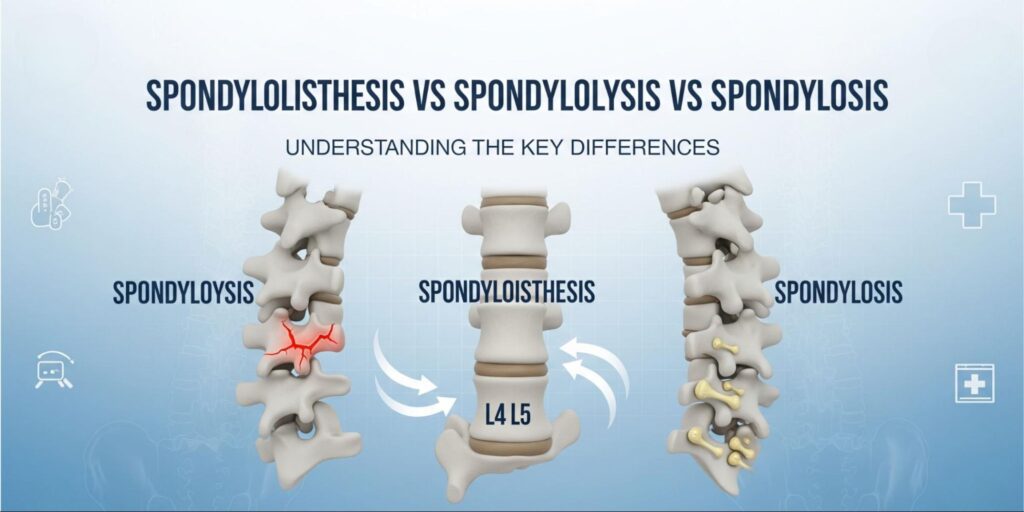
Back pain is one of the most common health complaints across the world. While sometimes it results from a minor muscle strain, in many cases, it may be linked to deeper structural changes in the spine. Among the many spinal conditions that cause pain and disability, spondylolisthesis, spondylolysis, and spondylosis are often misunderstood and even used interchangeably. Although their names sound similar, each of these conditions is unique in its cause, symptoms, and treatment approach. Knowing the differences can help patients, caregivers, and medical students develop a clearer understanding of spinal health. What is Spondylolisthesis? The term spondylolisthesis comes from the Greek words spondylo (vertebra) and listhesis (slip). It refers to a spinal condition in which one vertebra slips forward over the vertebra below it. This slip most commonly occurs in the lower back, especially at L4–L5 or L5–S1 levels. One specific example is the hangman’s fracture, where the C2 vertebra is displaced forward relative to C3 due to fractures in its pedicles. Types of Spondylolisthesis (Wiltse Classification) Marchetti and Bartolozzi’s Classification This system describes the condition in terms of progression (developmental vs acquired). Clinical Features Examination Findings Radiographic Grading (Meyerding Classification) What is Spondylolysis? Spondylolysis refers to a fracture or defect in the pars interarticularis—the bony area connecting the facet joints. Pathophysiology Causes & Risk Factors Symptoms What is Spondylosis? Unlike the first two conditions, spondylosis is essentially degenerative arthritis of the spine. Key Differences Between Spondylolisthesis, Spondylolysis, and Spondylosis Feature Spondylolisthesis Spondylolysis Spondylosis Definition Forward slipping of a vertebra over another Defect/fracture in pars interarticularis Degenerative arthritis of the spine Common Age Group Adolescents & elderly Adolescents, athletes Middle-aged & elderly Most Common Site L4–L5, L5–S1 L5 > L4 Cervical & lumbar Cause Congenital, degenerative, traumatic, pathological Repetitive stress, hyperextension Wear-and-tear, disc degeneration Symptoms Across the Conditions Diagnosis Treatment Considerations Conservative Management Interventional Procedures Surgical Management Living with These Conditions With the right treatment, patients can live active, fulfilling lives. Why Knowing the Differences Matters? Though the names spondylolisthesis, spondylolysis, and spondylosis sound similar, their differences are significant: Each requires a different approach to diagnosis and treatment. Recognizing the signs especially in athletes and older adults—enables timely medical care and better long-term outcomes. FAQs Can you live a normal life with spondylolisthesis?Yes, most people live active lives with proper treatment, physical therapy, and lifestyle modifications. Only severe cases may require surgery. Does spondylolisthesis affect pregnancy?Pregnancy is usually safe, but back pain may increase. With medical supervision and physiotherapy, most women deliver normally. What should you avoid with spondylolisthesis?Avoid heavy lifting, repetitive spine extension, high-impact sports, and poor posture. Can I get pregnant with lumbar spondylosis?Yes, lumbar spondylosis does not prevent pregnancy, but symptoms like back pain may worsen. Exercise, posture correction, and medical guidance help. Can a person be born with spondylolisthesis?Yes, congenital (dysplastic) spondylolisthesis can be present at birth due to abnormal spine formation. How do you stop spondylolisthesis from progressing?Core strengthening exercises, weight management, avoiding spine strain, and timely medical care can help. What happens if you don’t fix spondylolisthesis?Untreated cases may worsen, causing severe pain, nerve compression, leg weakness, or in rare cases, loss of bladder/bowel control. Does weight affect spondylolisthesis?Yes, excess weight puts more stress on the spine, increasing pain and risk of progression. What is the main cause of spondylolisthesis?Pars fractures (isthmic), degeneration with age, congenital defects, trauma, or in rare cases, tumors/infections. What are red flags of spondylolisthesis?Severe back pain, leg weakness, numbness, tingling, bladder/bowel control issues, and rapid progression. How do spinal braces help in spondylolysis and spondylolisthesis?They reduce stress on the fractured pars, prevent further slippage, and allow healing by keeping the spine stable. Can orthotic supports help with spondylosis pain?Yes, lumbar supports and cervical collars can reduce strain, improve posture, and relieve stiffness. Are prosthetics useful after spinal surgery?Yes, after spinal fusion or decompression surgery, patients may need temporary orthotic braces to stabilize the spine and support recovery. Can custom-made prosthetics improve quality of life for spinal patients?Absolutely. Customized braces and supports designed by the best prosthetics manufacturer in India ensure better comfort, fit, and effectiveness, helping patients return to daily life with confidence. References