Exercise and Fitness: How to Stay Active with a Prosthetic Limb
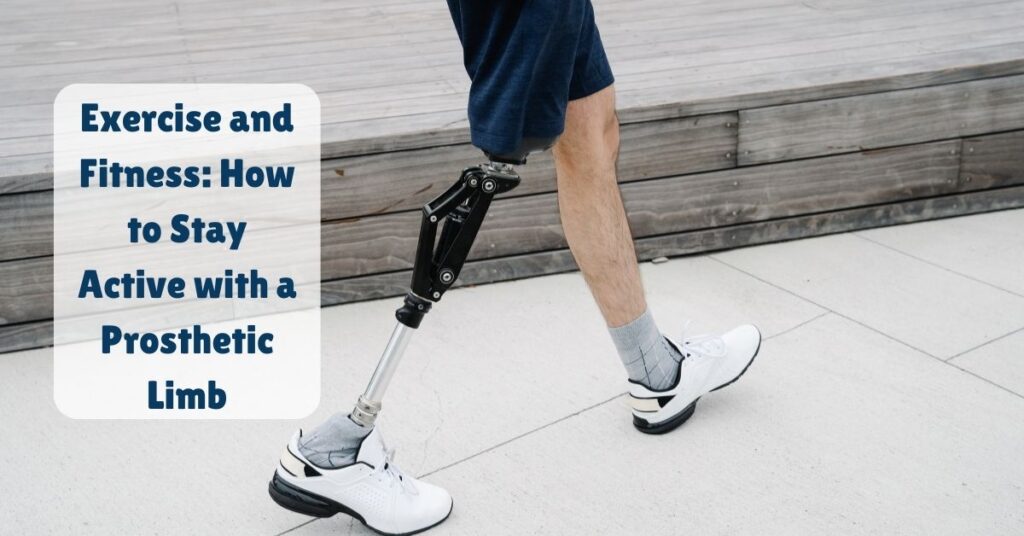
What Is The Difference Between Custom-Made And Prefabricated Orthoses Summary : Choosing an orthosis is not simply about picking a device from a shelf. The right option depends on the body part being supported, the level of correction required, comfort, daily activities, and individual anatomy. This article explains the difference between custom-made and prefabricated orthoses, how they are designed and fitted, where each option may be useful, and how professional assessment can help guide the decision. Orthoses are external devices used to support, align, protect, stabilise, or assist parts of the body. They can be designed for the foot, ankle, knee, spine, hand, wrist, and other areas depending on the user's needs. Some are made specifically for one person, while others are manufactured in standard sizes and supplied ready to use. This is where the difference between custom-made and prefabricated orthoses becomes important. A custom-made orthosis is developed around an individual's anatomy and functional requirements, while a prefabricated orthosis follows a standard design and sizing system. Neither option is automatically suitable for every person. The purpose of the device and the individual's needs should guide the choice. What Are Custom-Made Orthoses? Custom-made orthoses are designed and fabricated for a particular individual. The process generally starts with an assessment of the person's condition, anatomy, movement, functional requirements, and intended use of the device. Depending on the body area and type of orthosis, the practitioner may take measurements, create an impression or cast, or use digital scanning technology. These details are then used to develop an orthosis with the required shape, support, alignment, and control. Customisation can also involve selecting specific materials, joints, straps, padding, or other components. Once the device is produced, it can be checked during fitting and adjusted where necessary to improve comfort and function. Individual Fit And Design One of the main characteristics of a custom-made orthosis is its individual fit. The device is not simply chosen because it matches a standard size. Instead, its dimensions and design are based on the user's anatomy and the clinical purpose of the orthosis. This can be especially useful when a person has unusual anatomy, significant asymmetry, specific pressure-distribution needs, or functional requirements that are difficult to meet with a standard device. Personalised Fabrication Process Custom fabrication usually involves several stages rather than immediate supply. Assessment, design, fabrication, fitting, and follow-up can all form part of the process. This makes it possible to make refinements when required. Cold Weather Care Tips for Prosthetic Wearers Cold weather brings unique challenges for prosthetic wearers, from maintaining comfort to ensuring the prosthetic remains functional and safe. Winter conditions like freezing temperatures, icy paths, and dry air can affect both the residual limb and the prosthetic itself. This guide provides practical tips to help prosthetic wearers stay comfortable, safe, and proactive during the colder months. 1. Keep Your Residual Limb Warm and Protected Cold temperatures can cause the blood vessels in the residual limb to constrict, leading to discomfort, numbness, or reduced circulation. Layer Up Smartly: Wear thermal liners, warm socks, or insulated covers over your residual limb. Materials like fleece or wool can help retain heat. Avoid Prolonged Exposure: Limit time outdoors in freezing weather to prevent frostbite or skin irritation. Use Hand Warmers: Consider placing a safe, gentle heat source, like a hand warmer, near your prosthetic socket (but not in direct contact) to maintain warmth. Exercise and Fitness: How to Stay Active with a Prosthetic Limb Staying active is essential for physical and mental well-being, and wearing a prosthetic limb should not hold you back from leading an active lifestyle. With determination, the right guidance, and adaptive techniques, individuals with prosthetic limbs can enjoy a range of fitness activities and even excel in their chosen pursuits. Benefits of Exercise with a Prosthetic Limb Engaging in regular exercise has immense benefits for prosthetic users. It improves overall strength, endurance, and flexibility, helping the body adapt to the prosthetic limb more effectively. Exercise can also alleviate discomfort, improve balance, and prevent health complications such as weight gain or cardiovascular issues. Beyond physical benefits, staying active enhances confidence, reduces stress, and promotes a sense of achievement. Choosing the Right Prosthetic for Exercise To engage in fitness activities comfortably, it’s important to use a prosthetic designed for your specific needs. Sports-specific prosthetics, such as running blades or waterproof models, are tailored to activities like running, swimming, or cycling. Consult your prosthetist to explore options that align with your fitness goals. They can recommend prosthetics that provide better shock absorption, flexibility, or durability for active use. Start with Physical Therapy Before diving into exercise routines, working with a physical therapist is crucial. Physical therapists specialize in helping prosthetic users regain strength and mobility. They can design a customized fitness plan, focusing on building core stability, improving balance, and gradually increasing physical endurance. These foundational exercises lay the groundwork for safely engaging in more strenuous activities later. Adapt to Your New Balance Balance is a key factor when staying active with a prosthetic limb. Adjusting to your prosthetic may take time, but balance-training exercises can help. Activities like standing on one leg, using a stability ball, or practicing yoga are great ways to improve your body’s equilibrium. Over time, these exercises enhance your confidence and reduce the risk of falls. Focus on Strength Training Strength training is essential for prosthetic users. Strengthening your residual limb, as well as surrounding muscles like your hips and core, ensures better control of the prosthetic. Exercises like squats, lunges, and resistance training can be modified to accommodate your abilities. Use weights or resistance bands under the guidance of a trainer or therapist to build muscle gradually. Cardio Activities for Prosthetic Users Cardiovascular exercises improve stamina and heart health. Walking, cycling, and swimming are excellent options for prosthetic users. If running is part of your fitness goals, consider prosthetics specifically designed for running to reduce impact and enhance comfort. Start with low-impact cardio activities and progress as your body adapts. Stretching and
How Can I Make My Prosthetic Leg More Comfortable
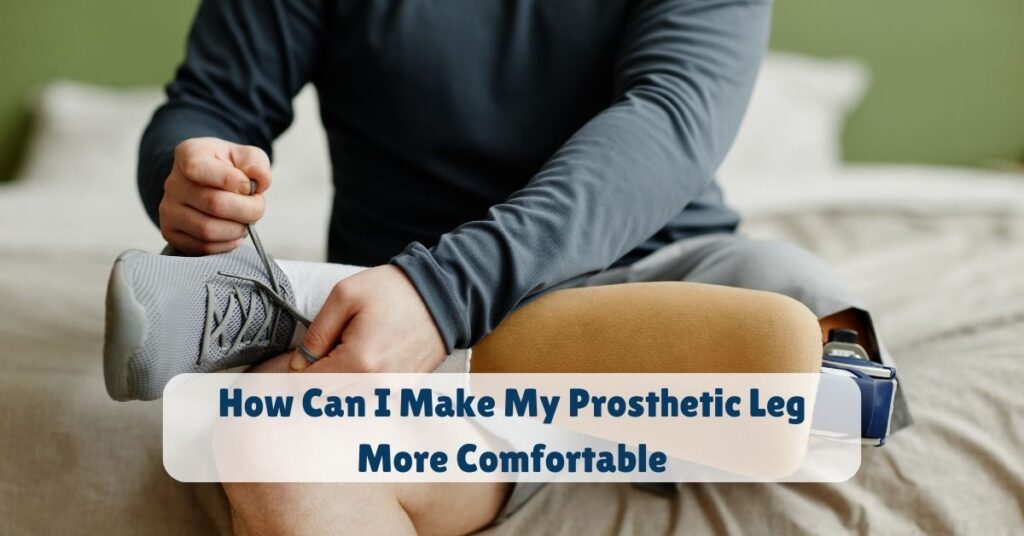
What Is The Difference Between Custom-Made And Prefabricated Orthoses Summary : Choosing an orthosis is not simply about picking a device from a shelf. The right option depends on the body part being supported, the level of correction required, comfort, daily activities, and individual anatomy. This article explains the difference between custom-made and prefabricated orthoses, how they are designed and fitted, where each option may be useful, and how professional assessment can help guide the decision. Orthoses are external devices used to support, align, protect, stabilise, or assist parts of the body. They can be designed for the foot, ankle, knee, spine, hand, wrist, and other areas depending on the user's needs. Some are made specifically for one person, while others are manufactured in standard sizes and supplied ready to use. This is where the difference between custom-made and prefabricated orthoses becomes important. A custom-made orthosis is developed around an individual's anatomy and functional requirements, while a prefabricated orthosis follows a standard design and sizing system. Neither option is automatically suitable for every person. The purpose of the device and the individual's needs should guide the choice. What Are Custom-Made Orthoses? Custom-made orthoses are designed and fabricated for a particular individual. The process generally starts with an assessment of the person's condition, anatomy, movement, functional requirements, and intended use of the device. Depending on the body area and type of orthosis, the practitioner may take measurements, create an impression or cast, or use digital scanning technology. These details are then used to develop an orthosis with the required shape, support, alignment, and control. Customisation can also involve selecting specific materials, joints, straps, padding, or other components. Once the device is produced, it can be checked during fitting and adjusted where necessary to improve comfort and function. Individual Fit And Design One of the main characteristics of a custom-made orthosis is its individual fit. The device is not simply chosen because it matches a standard size. Instead, its dimensions and design are based on the user's anatomy and the clinical purpose of the orthosis. This can be especially useful when a person has unusual anatomy, significant asymmetry, specific pressure-distribution needs, or functional requirements that are difficult to meet with a standard device. Personalised Fabrication Process Custom fabrication usually involves several stages rather than immediate supply. Assessment, design, fabrication, fitting, and follow-up can all form part of the process. This makes it possible to make refinements when required. Cold Weather Care Tips for Prosthetic Wearers Cold weather brings unique challenges for prosthetic wearers, from maintaining comfort to ensuring the prosthetic remains functional and safe. Winter conditions like freezing temperatures, icy paths, and dry air can affect both the residual limb and the prosthetic itself. This guide provides practical tips to help prosthetic wearers stay comfortable, safe, and proactive during the colder months. 1. Keep Your Residual Limb Warm and Protected Cold temperatures can cause the blood vessels in the residual limb to constrict, leading to discomfort, numbness, or reduced circulation. Layer Up Smartly: Wear thermal liners, warm socks, or insulated covers over your residual limb. Materials like fleece or wool can help retain heat. Avoid Prolonged Exposure: Limit time outdoors in freezing weather to prevent frostbite or skin irritation. Use Hand Warmers: Consider placing a safe, gentle heat source, like a hand warmer, near your prosthetic socket (but not in direct contact) to maintain warmth. How Can I Make My Prosthetic Leg More Comfortable Adjusting to a prosthetic leg requires patience and a combination of strategies to enhance comfort. While prosthetic limbs bring freedom and mobility, ensuring they fit well and feel comfortable is crucial for daily life. Here’s how you can work toward making your prosthetic leg more comfortable. Prioritize a Proper Fit The foundation of a comfortable prosthetic leg is a proper fit. A poorly fitting prosthetic can cause discomfort, pressure points, or even skin irritation. If you experience tightness, rubbing, or gaps in your prosthetic socket, consult with your prosthetist immediately. They can make necessary adjustments to the fit and alignment to ensure the prosthetic is secure without being restrictive. Keep in mind that your residual limb may change over time due to swelling or weight fluctuations, so periodic visits to your prosthetist are essential. Choose the Right Liner A well-fitted liner can significantly improve comfort. Liners act as a cushion between your residual limb and the prosthetic socket, reducing friction and absorbing impact from daily movement. Opt for liners made from soft, breathable, and skin-friendly materials. Regularly inspect the liner for wear and tear, as a worn-out liner can compromise your comfort and even cause skin issues. Maintain Good Skin Care Taking care of the skin on your residual limb is critical for comfort. Clean your limb daily using mild soap and water to remove sweat and bacteria. Proper hygiene helps prevent skin irritation and infections. Moisturizing your skin is also beneficial but avoid applying lotion immediately before wearing your prosthetic, as it can make the skin slippery and affect the fit. Inspect your skin regularly for redness, blisters, or soreness, and address any issues promptly to avoid complications. Use Prosthetic Socks for Adjustments Prosthetic socks can help fine-tune the fit of your prosthetic throughout the day. These socks come in different thicknesses and are used to fill in space as your limb changes due to swelling or weight loss. Adding or removing layers can make a significant difference in how your prosthetic feels, offering greater comfort and stability during movement. Practice Proper Alignment and Posture Proper alignment and posture play a key role in prosthetic comfort. Ensure your prosthetic is aligned correctly to distribute weight evenly and reduce strain on your residual limb. Poor alignment can lead to discomfort and even long-term issues like joint pain. Working with a physical therapist can help you learn techniques to improve your posture and alignment while walking or performing other activities. Gradually Increase Wear Time When you’re new to using a prosthetic leg, it’s essential to ease into wearing
Can You Swim or Go in Water with a Prosthetic Limb?
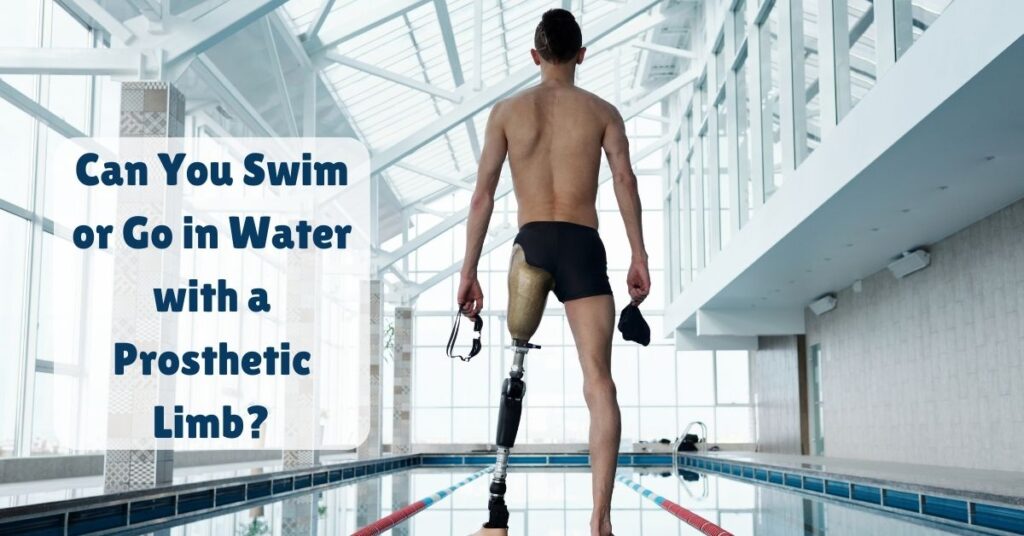
What Is The Difference Between Custom-Made And Prefabricated Orthoses Summary : Choosing an orthosis is not simply about picking a device from a shelf. The right option depends on the body part being supported, the level of correction required, comfort, daily activities, and individual anatomy. This article explains the difference between custom-made and prefabricated orthoses, how they are designed and fitted, where each option may be useful, and how professional assessment can help guide the decision. Orthoses are external devices used to support, align, protect, stabilise, or assist parts of the body. They can be designed for the foot, ankle, knee, spine, hand, wrist, and other areas depending on the user's needs. Some are made specifically for one person, while others are manufactured in standard sizes and supplied ready to use. This is where the difference between custom-made and prefabricated orthoses becomes important. A custom-made orthosis is developed around an individual's anatomy and functional requirements, while a prefabricated orthosis follows a standard design and sizing system. Neither option is automatically suitable for every person. The purpose of the device and the individual's needs should guide the choice. What Are Custom-Made Orthoses? Custom-made orthoses are designed and fabricated for a particular individual. The process generally starts with an assessment of the person's condition, anatomy, movement, functional requirements, and intended use of the device. Depending on the body area and type of orthosis, the practitioner may take measurements, create an impression or cast, or use digital scanning technology. These details are then used to develop an orthosis with the required shape, support, alignment, and control. Customisation can also involve selecting specific materials, joints, straps, padding, or other components. Once the device is produced, it can be checked during fitting and adjusted where necessary to improve comfort and function. Individual Fit And Design One of the main characteristics of a custom-made orthosis is its individual fit. The device is not simply chosen because it matches a standard size. Instead, its dimensions and design are based on the user's anatomy and the clinical purpose of the orthosis. This can be especially useful when a person has unusual anatomy, significant asymmetry, specific pressure-distribution needs, or functional requirements that are difficult to meet with a standard device. Personalised Fabrication Process Custom fabrication usually involves several stages rather than immediate supply. Assessment, design, fabrication, fitting, and follow-up can all form part of the process. This makes it possible to make refinements when required. Cold Weather Care Tips for Prosthetic Wearers Cold weather brings unique challenges for prosthetic wearers, from maintaining comfort to ensuring the prosthetic remains functional and safe. Winter conditions like freezing temperatures, icy paths, and dry air can affect both the residual limb and the prosthetic itself. This guide provides practical tips to help prosthetic wearers stay comfortable, safe, and proactive during the colder months. 1. Keep Your Residual Limb Warm and Protected Cold temperatures can cause the blood vessels in the residual limb to constrict, leading to discomfort, numbness, or reduced circulation. Layer Up Smartly: Wear thermal liners, warm socks, or insulated covers over your residual limb. Materials like fleece or wool can help retain heat. Avoid Prolonged Exposure: Limit time outdoors in freezing weather to prevent frostbite or skin irritation. Use Hand Warmers: Consider placing a safe, gentle heat source, like a hand warmer, near your prosthetic socket (but not in direct contact) to maintain warmth. Can You Swim or Go in Water with a Prosthetic Limb? For those who wear prosthetic limbs, activities like swimming or getting into water can raise many questions. Is it safe? Will it damage the prosthetic? The good news is that, with advancements in prosthetic technology, enjoying water activities is entirely possible. Let’s explore the practical aspects of swimming and being in water with a prosthetic limb in simple and clear terms. Understanding Water-Friendly Prosthetics Not all prosthetic limbs are designed for water exposure. Standard prosthetics are typically not waterproof, meaning prolonged exposure to water could damage them. However, there are specialized water-friendly or waterproof prosthetic limbs designed to withstand the effects of water, including chlorinated pools, saltwater, and fresh water. These water-compatible prosthetics are built using corrosion-resistant materials and are often lighter for ease of movement in water. Some come with specialized grips or fins to assist in swimming. If swimming or frequent water exposure is part of your lifestyle, it’s worth discussing water-friendly options with your prosthetist. Preparing for Water Activities If you plan to swim or engage in water activities with your prosthetic limb, preparation is key. Here are some important steps to keep in mind: Check with Your Prosthetist: Before diving in, consult your prosthetist to ensure your prosthetic is suitable for water use. They can recommend any necessary modifications or additional equipment. Inspect Your Prosthetic: Make sure your prosthetic is clean and in good condition before entering the water. Look for any loose parts or damage that might be worsened by water exposure. Protect Your Residual Limb: Wear a liner or sleeve that provides a secure fit and prevents irritation. Waterproof liners are available and can help keep your limb comfortable. Swimming with a Prosthetic Limb Swimming with a prosthetic limb may feel different at first, but it’s something you can get used to with practice. Here are some tips for swimming effectively: Start in Shallow Water: Begin in a controlled environment like a pool or shallow area to get comfortable with the feeling of being in water with your prosthetic. Practice Balance: Water changes the way your body balances, so take time to adjust. You may need to modify your swimming technique slightly. Use Swim Accessories: Some prosthetic limbs come with detachable swim fins or other accessories that enhance movement in water. Take It Slow: Allow yourself time to build confidence and stamina. Everyone adjusts at their own pace. What About Saltwater or Chlorinated Water? Saltwater and chlorinated pools can be harsh on prosthetics if they aren’t specifically designed for water exposure. After swimming in these environments, it’s important to
How to Adjust to Wearing a Prosthetic Leg for the First Time
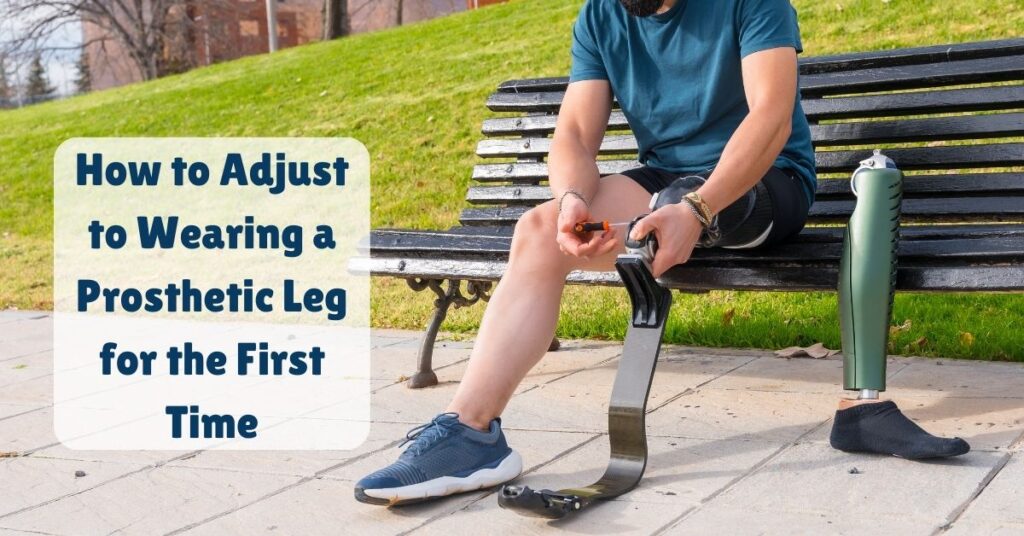
What Is The Difference Between Custom-Made And Prefabricated Orthoses Summary : Choosing an orthosis is not simply about picking a device from a shelf. The right option depends on the body part being supported, the level of correction required, comfort, daily activities, and individual anatomy. This article explains the difference between custom-made and prefabricated orthoses, how they are designed and fitted, where each option may be useful, and how professional assessment can help guide the decision. Orthoses are external devices used to support, align, protect, stabilise, or assist parts of the body. They can be designed for the foot, ankle, knee, spine, hand, wrist, and other areas depending on the user's needs. Some are made specifically for one person, while others are manufactured in standard sizes and supplied ready to use. This is where the difference between custom-made and prefabricated orthoses becomes important. A custom-made orthosis is developed around an individual's anatomy and functional requirements, while a prefabricated orthosis follows a standard design and sizing system. Neither option is automatically suitable for every person. The purpose of the device and the individual's needs should guide the choice. What Are Custom-Made Orthoses? Custom-made orthoses are designed and fabricated for a particular individual. The process generally starts with an assessment of the person's condition, anatomy, movement, functional requirements, and intended use of the device. Depending on the body area and type of orthosis, the practitioner may take measurements, create an impression or cast, or use digital scanning technology. These details are then used to develop an orthosis with the required shape, support, alignment, and control. Customisation can also involve selecting specific materials, joints, straps, padding, or other components. Once the device is produced, it can be checked during fitting and adjusted where necessary to improve comfort and function. Individual Fit And Design One of the main characteristics of a custom-made orthosis is its individual fit. The device is not simply chosen because it matches a standard size. Instead, its dimensions and design are based on the user's anatomy and the clinical purpose of the orthosis. This can be especially useful when a person has unusual anatomy, significant asymmetry, specific pressure-distribution needs, or functional requirements that are difficult to meet with a standard device. Personalised Fabrication Process Custom fabrication usually involves several stages rather than immediate supply. Assessment, design, fabrication, fitting, and follow-up can all form part of the process. This makes it possible to make refinements when required. Cold Weather Care Tips for Prosthetic Wearers Cold weather brings unique challenges for prosthetic wearers, from maintaining comfort to ensuring the prosthetic remains functional and safe. Winter conditions like freezing temperatures, icy paths, and dry air can affect both the residual limb and the prosthetic itself. This guide provides practical tips to help prosthetic wearers stay comfortable, safe, and proactive during the colder months. 1. Keep Your Residual Limb Warm and Protected Cold temperatures can cause the blood vessels in the residual limb to constrict, leading to discomfort, numbness, or reduced circulation. Layer Up Smartly: Wear thermal liners, warm socks, or insulated covers over your residual limb. Materials like fleece or wool can help retain heat. Avoid Prolonged Exposure: Limit time outdoors in freezing weather to prevent frostbite or skin irritation. Use Hand Warmers: Consider placing a safe, gentle heat source, like a hand warmer, near your prosthetic socket (but not in direct contact) to maintain warmth. How to Adjust to Wearing a Prosthetic Leg for the First Time Getting a prosthetic leg can be a life-changing experience, offering new possibilities for mobility and independence. However, adjusting to wearing a prosthetic leg for the first time can feel challenging. The process requires patience, effort, and a willingness to adapt. Here’s a step-by-step guide to help you navigate this journey with confidence. 1. Understand the Adjustment Period Wearing a prosthetic leg is not something you’ll master overnight. It takes time for your body and mind to adapt to the new way of moving. Your residual limb may also need time to adjust to the prosthetic socket. Expect some discomfort initially: It’s normal to feel soreness or sensitivity in the beginning, but this should improve as you become accustomed to the prosthetic. Set realistic goals: Start with small achievements like standing, taking a few steps, or balancing. Gradually work toward walking longer distances. 2. Work Closely with Your Prosthetist Your prosthetist plays a crucial role in ensuring your prosthetic leg fits correctly and works well for you. Regular fittings: It’s important to have your prosthetic checked regularly for proper fit, as changes in your residual limb size or shape can affect comfort. Provide feedback: Let your prosthetist know about any discomfort, pressure points, or difficulties. They can make adjustments to improve your experience. 3. Start with Physical Therapy Physical therapy is a vital part of adjusting to a prosthetic leg. A physical therapist can guide you through exercises to build strength, balance, and confidence. Focus on muscle strengthening: Your body needs to adapt to the new weight and mechanics of the prosthetic. Exercises for your core and leg muscles can help. Practice walking techniques: Learning to walk with a prosthetic requires practice. A therapist can teach you how to take natural steps and distribute your weight effectively. Improve your balance: Balance exercises can help you feel more stable and reduce the risk of falls. 4. Learn Proper Care and Maintenance Taking care of your prosthetic leg and your residual limb is essential for comfort and long-term use. Clean your prosthetic daily: Follow the manufacturer’s instructions to clean the socket and any liners. This helps prevent skin irritation and infections. Inspect your skin: Check your residual limb for redness, blisters, or sores. If you notice any issues, consult your doctor or prosthetist immediately. Wear appropriate socks or liners: These provide cushioning and improve the fit of your prosthetic. Make sure they are clean and in good condition. 5. Address Emotional Adjustments Adapting to a prosthetic leg isn’t just physical—it’s emotional too. It’s natural to feel overwhelmed
Pediatric Prosthetics: A Lifeline for Children with Limb Loss
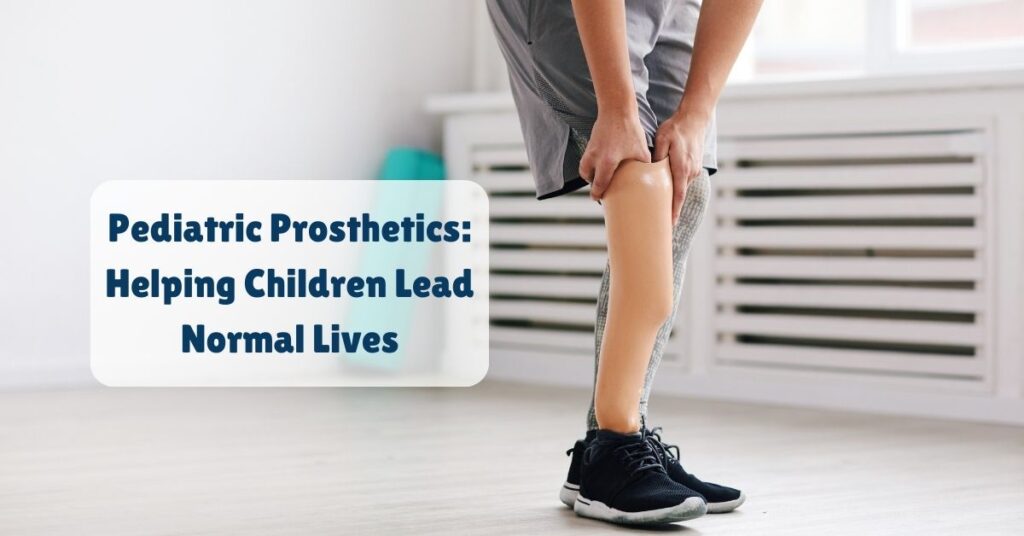
What Is The Difference Between Custom-Made And Prefabricated Orthoses Summary : Choosing an orthosis is not simply about picking a device from a shelf. The right option depends on the body part being supported, the level of correction required, comfort, daily activities, and individual anatomy. This article explains the difference between custom-made and prefabricated orthoses, how they are designed and fitted, where each option may be useful, and how professional assessment can help guide the decision. Orthoses are external devices used to support, align, protect, stabilise, or assist parts of the body. They can be designed for the foot, ankle, knee, spine, hand, wrist, and other areas depending on the user's needs. Some are made specifically for one person, while others are manufactured in standard sizes and supplied ready to use. This is where the difference between custom-made and prefabricated orthoses becomes important. A custom-made orthosis is developed around an individual's anatomy and functional requirements, while a prefabricated orthosis follows a standard design and sizing system. Neither option is automatically suitable for every person. The purpose of the device and the individual's needs should guide the choice. What Are Custom-Made Orthoses? Custom-made orthoses are designed and fabricated for a particular individual. The process generally starts with an assessment of the person's condition, anatomy, movement, functional requirements, and intended use of the device. Depending on the body area and type of orthosis, the practitioner may take measurements, create an impression or cast, or use digital scanning technology. These details are then used to develop an orthosis with the required shape, support, alignment, and control. Customisation can also involve selecting specific materials, joints, straps, padding, or other components. Once the device is produced, it can be checked during fitting and adjusted where necessary to improve comfort and function. Individual Fit And Design One of the main characteristics of a custom-made orthosis is its individual fit. The device is not simply chosen because it matches a standard size. Instead, its dimensions and design are based on the user's anatomy and the clinical purpose of the orthosis. This can be especially useful when a person has unusual anatomy, significant asymmetry, specific pressure-distribution needs, or functional requirements that are difficult to meet with a standard device. Personalised Fabrication Process Custom fabrication usually involves several stages rather than immediate supply. Assessment, design, fabrication, fitting, and follow-up can all form part of the process. This makes it possible to make refinements when required. Cold Weather Care Tips for Prosthetic Wearers Cold weather brings unique challenges for prosthetic wearers, from maintaining comfort to ensuring the prosthetic remains functional and safe. Winter conditions like freezing temperatures, icy paths, and dry air can affect both the residual limb and the prosthetic itself. This guide provides practical tips to help prosthetic wearers stay comfortable, safe, and proactive during the colder months. 1. Keep Your Residual Limb Warm and Protected Cold temperatures can cause the blood vessels in the residual limb to constrict, leading to discomfort, numbness, or reduced circulation. Layer Up Smartly: Wear thermal liners, warm socks, or insulated covers over your residual limb. Materials like fleece or wool can help retain heat. Avoid Prolonged Exposure: Limit time outdoors in freezing weather to prevent frostbite or skin irritation. Use Hand Warmers: Consider placing a safe, gentle heat source, like a hand warmer, near your prosthetic socket (but not in direct contact) to maintain warmth. Pediatric Prosthetics: A Lifeline for Children with Limb Loss For children living with limb loss or limb differences, pediatric prosthetics offer much more than just a physical replacement—they provide a path to independence, confidence, and a future filled with possibilities. Whether due to congenital conditions, accidents, or medical conditions, limb loss can present significant challenges. However, with the help of well-designed prosthetics, children regain the ability to perform everyday tasks, pursue hobbies, and engage in sports or other physical activities. These devices are carefully tailored to fit a child’s unique needs, ensuring they don’t just restore lost functionality but also provide a sense of normalcy, allowing them to grow, learn, and thrive like their peers. Through pediatric prosthetics, children are empowered to tackle obstacles, overcome adversity, and achieve things they never thought possible—giving them the chance to lead fulfilling, active, and joyful lives. The Importance of Pediatric Prosthetics Childhood is a time for growth, exploration, and play. Losing a limb, whether due to birth defects, accidents, or medical conditions, can pose physical and emotional challenges. Prosthetics tailored specifically for children bridge the gap between limitations and possibilities by providing mobility, functionality, and self-assurance. Imagine a child running on a playground, picking up a paintbrush, or scoring a goal in soccer—pediatric prosthetics make these activities possible, ensuring that no child feels left out. How Prosthetics Transform Lives? Promoting MobilityChildren fitted with prosthetics can move freely, participate in daily activities, and enjoy the same physical pursuits as their peers. Advanced designs even allow them to take part in sports and hobbies they love. Boosting ConfidenceBeyond physical functionality, prosthetics have a profound emotional impact. They help children feel whole, reducing self-consciousness and allowing them to embrace their unique identities. Encouraging Social InclusionWith prosthetics, children can actively engage in school, group activities, and friendships without being held back by physical limitations. Challenges Children Face Despite the benefits, children and their families often encounter obstacles on their prosthetic journey: Growth Adaptation: As children grow, their prosthetics need frequent adjustments or replacements to maintain comfort and functionality. Cost and Accessibility: High costs and limited access to advanced prosthetics can be barriers for many families. Adjustment Period: Learning to use a prosthetic, taking care of devices effectively takes time and patience, requiring support from caregivers and professionals. How Pediatric Prosthetics Are Designed Customization for ComfortEach prosthetic is tailored to a child’s specific body measurements and activity level to ensure a comfortable fit. Durability and LightnessMade with materials like carbon fiber or lightweight plastics, prosthetics are strong yet easy to handle for active children. Activity-Specific FeaturesSome prosthetics are designed for particular activities, like swimming,
The Impact of Prosthetics in Sports and Athletics
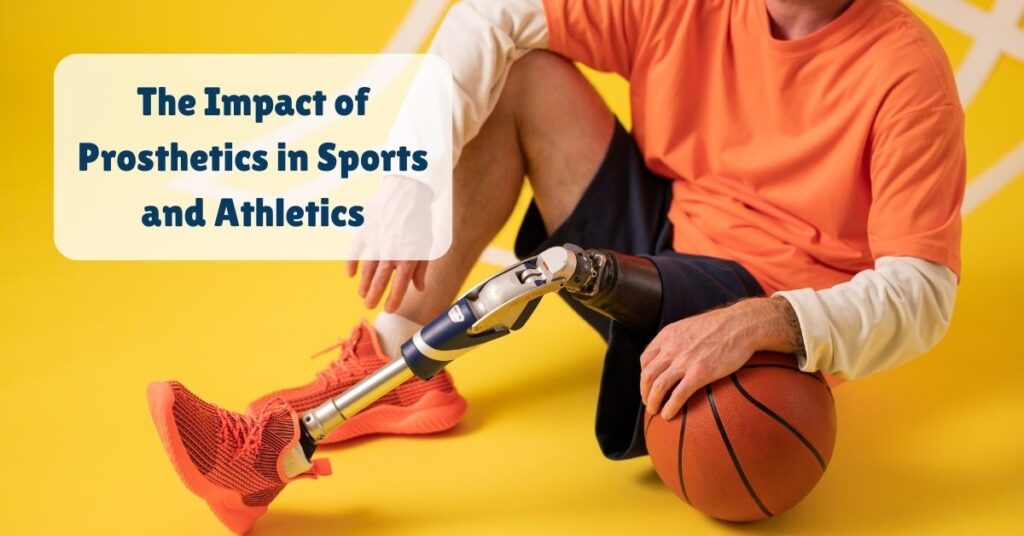
What Is The Difference Between Custom-Made And Prefabricated Orthoses Summary : Choosing an orthosis is not simply about picking a device from a shelf. The right option depends on the body part being supported, the level of correction required, comfort, daily activities, and individual anatomy. This article explains the difference between custom-made and prefabricated orthoses, how they are designed and fitted, where each option may be useful, and how professional assessment can help guide the decision. Orthoses are external devices used to support, align, protect, stabilise, or assist parts of the body. They can be designed for the foot, ankle, knee, spine, hand, wrist, and other areas depending on the user's needs. Some are made specifically for one person, while others are manufactured in standard sizes and supplied ready to use. This is where the difference between custom-made and prefabricated orthoses becomes important. A custom-made orthosis is developed around an individual's anatomy and functional requirements, while a prefabricated orthosis follows a standard design and sizing system. Neither option is automatically suitable for every person. The purpose of the device and the individual's needs should guide the choice. What Are Custom-Made Orthoses? Custom-made orthoses are designed and fabricated for a particular individual. The process generally starts with an assessment of the person's condition, anatomy, movement, functional requirements, and intended use of the device. Depending on the body area and type of orthosis, the practitioner may take measurements, create an impression or cast, or use digital scanning technology. These details are then used to develop an orthosis with the required shape, support, alignment, and control. Customisation can also involve selecting specific materials, joints, straps, padding, or other components. Once the device is produced, it can be checked during fitting and adjusted where necessary to improve comfort and function. Individual Fit And Design One of the main characteristics of a custom-made orthosis is its individual fit. The device is not simply chosen because it matches a standard size. Instead, its dimensions and design are based on the user's anatomy and the clinical purpose of the orthosis. This can be especially useful when a person has unusual anatomy, significant asymmetry, specific pressure-distribution needs, or functional requirements that are difficult to meet with a standard device. Personalised Fabrication Process Custom fabrication usually involves several stages rather than immediate supply. Assessment, design, fabrication, fitting, and follow-up can all form part of the process. This makes it possible to make refinements when required. Cold Weather Care Tips for Prosthetic Wearers Cold weather brings unique challenges for prosthetic wearers, from maintaining comfort to ensuring the prosthetic remains functional and safe. Winter conditions like freezing temperatures, icy paths, and dry air can affect both the residual limb and the prosthetic itself. This guide provides practical tips to help prosthetic wearers stay comfortable, safe, and proactive during the colder months. 1. Keep Your Residual Limb Warm and Protected Cold temperatures can cause the blood vessels in the residual limb to constrict, leading to discomfort, numbness, or reduced circulation. Layer Up Smartly: Wear thermal liners, warm socks, or insulated covers over your residual limb. Materials like fleece or wool can help retain heat. Avoid Prolonged Exposure: Limit time outdoors in freezing weather to prevent frostbite or skin irritation. Use Hand Warmers: Consider placing a safe, gentle heat source, like a hand warmer, near your prosthetic socket (but not in direct contact) to maintain warmth. The Impact of Prosthetics in Sports and Athletics Prosthetics have transformed the world of sports and athletics, empowering individuals with physical disabilities to pursue their dreams and compete at the highest levels. Over the years, advancements in technology have made prosthetic devices more efficient, durable, and specialized for various sports. Let’s explore how prosthetics have revolutionized sports, their impact on athletes, and how they continue to inspire the world. How Prosthetics Have Changed Sports Restoring Mobility and Independence:Prosthetics enable athletes to regain mobility and perform activities that might otherwise be impossible. For individuals who have lost limbs, these devices restore independence and allow them to participate in sports. Specialized Designs for Sports:Modern prosthetics are tailored to specific sports. For example: Running Blades: These lightweight and curved prosthetics are designed for runners, offering high speed and agility. Swimming Prosthetics: Built with waterproof materials, they enhance movement in the water. Cycling Prosthetics: These are crafted for stability and control, improving performance on bikes. Equal Opportunities in Competitions:Prosthetics have opened doors for athletes with disabilities to compete in events like the Paralympics. They provide an even playing field, allowing athletes to showcase their skills and determination. Breaking Records and Stereotypes:Athletes using prosthetics have achieved remarkable milestones, challenging the notion that physical limitations define abilities. Their success has inspired millions and highlighted the importance of inclusivity in sports. Benefits of Prosthetics for Athletes Prosthetic devices not only enable athletes to compete but also improve their overall quality of life. Enhanced PerformanceHigh-tech prosthetics are designed to mimic natural movements, giving athletes the ability to perform at their best. Advanced materials like carbon fiber ensure durability and efficiency. Boosted ConfidenceParticipating in sports helps athletes build confidence and a positive self-image. Prosthetics empower them to overcome challenges and excel in their chosen fields. Improved Physical HealthRegular physical activity with the aid of prosthetics helps athletes maintain fitness, improve cardiovascular health, and strengthen muscles. Mental Well-BeingSports foster teamwork, discipline, and a sense of accomplishment, which are crucial for mental health. Prosthetics allow individuals to experience these benefits, enhancing their emotional resilience. Challenges Athletes Face with Prosthetics While prosthetics have made sports more accessible, athletes still face certain challenges: CostsAdvanced prosthetics can be expensive, making them inaccessible to many. Organizations and sponsors play a crucial role in providing financial support. Maintenance and DurabilityProsthetics require regular maintenance to ensure optimal performance. Athletes must also replace them periodically, especially if they are used intensively. Adaptation PeriodLearning to use prosthetics effectively in sports can take time and practice. Athletes often work with trainers and physiotherapists to optimize their movements. Injury RisksImproper use or poorly fitted prosthetics can lead
Cold Weather Care Tips for Prosthetic Wearers
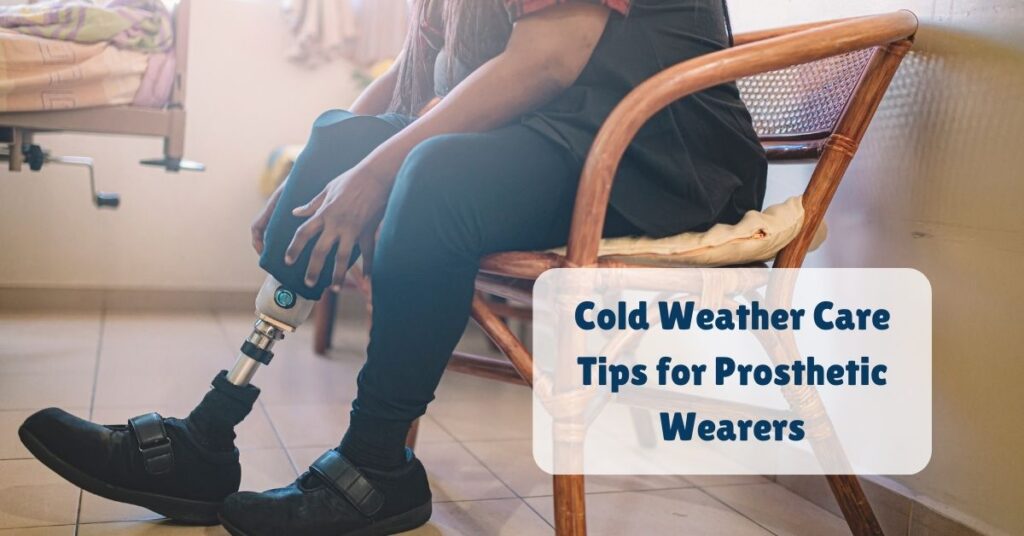
What Is The Difference Between Custom-Made And Prefabricated Orthoses Summary : Choosing an orthosis is not simply about picking a device from a shelf. The right option depends on the body part being supported, the level of correction required, comfort, daily activities, and individual anatomy. This article explains the difference between custom-made and prefabricated orthoses, how they are designed and fitted, where each option may be useful, and how professional assessment can help guide the decision. Orthoses are external devices used to support, align, protect, stabilise, or assist parts of the body. They can be designed for the foot, ankle, knee, spine, hand, wrist, and other areas depending on the user's needs. Some are made specifically for one person, while others are manufactured in standard sizes and supplied ready to use. This is where the difference between custom-made and prefabricated orthoses becomes important. A custom-made orthosis is developed around an individual's anatomy and functional requirements, while a prefabricated orthosis follows a standard design and sizing system. Neither option is automatically suitable for every person. The purpose of the device and the individual's needs should guide the choice. What Are Custom-Made Orthoses? Custom-made orthoses are designed and fabricated for a particular individual. The process generally starts with an assessment of the person's condition, anatomy, movement, functional requirements, and intended use of the device. Depending on the body area and type of orthosis, the practitioner may take measurements, create an impression or cast, or use digital scanning technology. These details are then used to develop an orthosis with the required shape, support, alignment, and control. Customisation can also involve selecting specific materials, joints, straps, padding, or other components. Once the device is produced, it can be checked during fitting and adjusted where necessary to improve comfort and function. Individual Fit And Design One of the main characteristics of a custom-made orthosis is its individual fit. The device is not simply chosen because it matches a standard size. Instead, its dimensions and design are based on the user's anatomy and the clinical purpose of the orthosis. This can be especially useful when a person has unusual anatomy, significant asymmetry, specific pressure-distribution needs, or functional requirements that are difficult to meet with a standard device. Personalised Fabrication Process Custom fabrication usually involves several stages rather than immediate supply. Assessment, design, fabrication, fitting, and follow-up can all form part of the process. This makes it possible to make refinements when required. Cold Weather Care Tips for Prosthetic Wearers Cold weather brings unique challenges for prosthetic wearers, from maintaining comfort to ensuring the prosthetic remains functional and safe. Winter conditions like freezing temperatures, icy paths, and dry air can affect both the residual limb and the prosthetic itself. This guide provides practical tips to help prosthetic wearers stay comfortable, safe, and proactive during the colder months. 1. Keep Your Residual Limb Warm and Protected Cold temperatures can cause the blood vessels in the residual limb to constrict, leading to discomfort, numbness, or reduced circulation. Layer Up Smartly: Wear thermal liners, warm socks, or insulated covers over your residual limb. Materials like fleece or wool can help retain heat. Avoid Prolonged Exposure: Limit time outdoors in freezing weather to prevent frostbite or skin irritation. Use Hand Warmers: Consider placing a safe, gentle heat source, like a hand warmer, near your prosthetic socket (but not in direct contact) to maintain warmth. 2. Manage Skin Health and Hydration Winter weather can dry out your skin, making it more prone to irritation and cracking. Moisturize Regularly: Apply a fragrance-free, hypoallergenic moisturizer to your residual limb to prevent dryness. Avoid moisturizers that leave a greasy residue, as they can affect the prosthetic’s fit. Inspect Daily: Check your skin for redness, blisters, or irritation caused by cold weather or the prosthetic’s fit. Address any issues promptly with your prosthetist. Stay Hydrated: Drink plenty of water to keep your skin hydrated from the inside out, even if you’re less thirsty in colder weather. 3. Adjust Your Prosthetic for Fit Cold weather can cause the residual limb to shrink slightly due to reduced circulation, which may affect the prosthetic’s fit. Monitor Fit Regularly: If the prosthetic feels loose, use additional socks or liners as needed to improve comfort. Keep Adjustments Handy: Carry spare liners or padding when traveling in winter to adjust on the go. Consult Your Prosthetist: If you notice persistent discomfort or changes in fit, schedule a visit for adjustments or modifications. 4. Protect Your Prosthetic from Moisture and Cold Winter conditions like snow, ice, and salt can damage your prosthetic if not properly managed. Use Protective Covers: Invest in waterproof or insulated covers designed to protect prosthetics from moisture and cold. Clean Regularly: After exposure to snow or slush, wipe down the prosthetic to prevent rust, corrosion, or salt buildup. Check Moving Parts: Cold temperatures can make the joints and other moving parts of your prosthetic stiff. Lubricate these areas as recommended by your prosthetist. 5. Take Precautions Against Slips and Falls Icy and snowy surfaces increase the risk of falls, which can be particularly harmful for prosthetic wearers. Choose the Right Footwear: Opt for shoes or boots with excellent traction and nonslip soles. Use Ice Grips: Attach ice grips or cleats to your footwear for added stability on icy paths. Plan Your Routes: Stick to cleared sidewalks and avoid steep or uneven surfaces during winter outings. 6. Stay Active Indoors Winter may limit outdoor activities, but staying active is crucial for overall health and maintaining strength. Indoor Exercises: Engage in stretching, yoga, or light resistance training indoors to keep your muscles active. Physical Therapy: Continue regular physical therapy sessions to maintain mobility and flexibility in your residual limb. Avoid Sedentary Habits: Long periods of inactivity can cause stiffness or swelling in the residual limb. Take breaks to stretch and move around. 7. Plan Ahead for Winter Travel Traveling during winter can be stressful, especially for prosthetic wearers. Pack Essentials: Carry extra socks, liners, and repair tools when traveling to
Adjusting to Cold Weather with a Prosthetic Limb
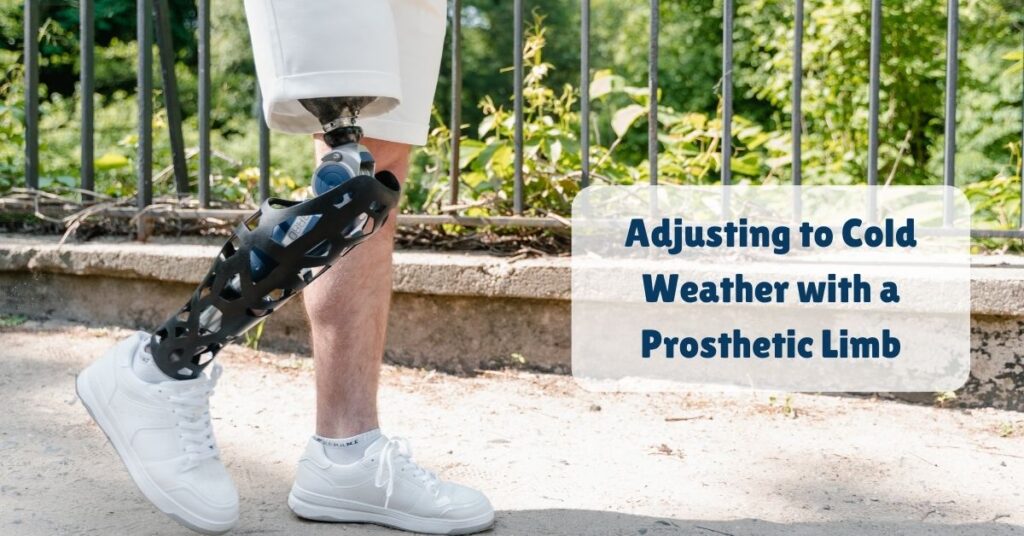
What Is The Difference Between Custom-Made And Prefabricated Orthoses Summary : Choosing an orthosis is not simply about picking a device from a shelf. The right option depends on the body part being supported, the level of correction required, comfort, daily activities, and individual anatomy. This article explains the difference between custom-made and prefabricated orthoses, how they are designed and fitted, where each option may be useful, and how professional assessment can help guide the decision. Orthoses are external devices used to support, align, protect, stabilise, or assist parts of the body. They can be designed for the foot, ankle, knee, spine, hand, wrist, and other areas depending on the user's needs. Some are made specifically for one person, while others are manufactured in standard sizes and supplied ready to use. This is where the difference between custom-made and prefabricated orthoses becomes important. A custom-made orthosis is developed around an individual's anatomy and functional requirements, while a prefabricated orthosis follows a standard design and sizing system. Neither option is automatically suitable for every person. The purpose of the device and the individual's needs should guide the choice. What Are Custom-Made Orthoses? Custom-made orthoses are designed and fabricated for a particular individual. The process generally starts with an assessment of the person's condition, anatomy, movement, functional requirements, and intended use of the device. Depending on the body area and type of orthosis, the practitioner may take measurements, create an impression or cast, or use digital scanning technology. These details are then used to develop an orthosis with the required shape, support, alignment, and control. Customisation can also involve selecting specific materials, joints, straps, padding, or other components. Once the device is produced, it can be checked during fitting and adjusted where necessary to improve comfort and function. Individual Fit And Design One of the main characteristics of a custom-made orthosis is its individual fit. The device is not simply chosen because it matches a standard size. Instead, its dimensions and design are based on the user's anatomy and the clinical purpose of the orthosis. This can be especially useful when a person has unusual anatomy, significant asymmetry, specific pressure-distribution needs, or functional requirements that are difficult to meet with a standard device. Personalised Fabrication Process Custom fabrication usually involves several stages rather than immediate supply. Assessment, design, fabrication, fitting, and follow-up can all form part of the process. This makes it possible to make refinements when required. Adjusting to Cold Weather with a Prosthetic Limb Cold weather can present unique challenges for prosthetic limb users, from maintaining comfort to ensuring proper fit and functionality. With a bit of preparation and care, you can navigate the winter months more comfortably and protect your prosthetic limb from weather-related issues. This guide will help you understand the potential challenges and provide practical tips to keep you safe, warm, and mobile during the colder months. Understanding How Cold Weather Affects Prosthetic Limb Users Cold weather impacts both your body and your prosthetic device. For amputees, the residual limb can feel extra sensitive in colder temperatures, leading to discomfort. Reduced blood flow in cold weather may also cause the residual limb to shrink, potentially affecting the fit of your prosthetic. On the other hand, prosthetic devices themselves can stiffen or wear down faster in cold conditions. Materials like rubber and plastic may harden, and metal components can become icy to the touch, which may affect the functionality and comfort of your prosthetic limb. Common Challenges in Cold Weather Skin Sensitivity and Irritation:Cold weather can dry out your skin, causing irritation or cracking around the residual limb. The reduced blood circulation during winter can make this even worse. Fit Issues: Shrinking of the residual limb due to cold can cause a loose prosthetic fit, leading to discomfort or instability. Limited Mobility: Snow, ice, and slippery surfaces can make walking or navigating with a prosthetic limb more challenging, increasing the risk of falls. Material Durability: Cold temperatures can make prosthetic components stiff or brittle, potentially impacting their functionality. Tips for Staying Comfortable and Safe in Cold Weather 1. Keep Your Residual Limb Warm Wear Insulated Layers: Use thermal socks, liners, or sleeves designed to keep your residual limb warm. Avoid Direct Cold Exposure: Ensure the residual limb is fully covered when outside. Use a blanket or wrap if needed. Stay Active: Moving around increases blood flow, helping to keep your residual limb warm. 2. Prevent Skin Dryness and Irritation Moisturize Regularly: Apply a prosthetic-safe moisturizer daily to keep your skin hydrated. Avoid lotions that leave residue on your prosthetic liner. Check Your Skin Frequently: Look for signs of dryness, redness, or irritation and address them immediately. 3. Ensure a Proper Fit Use Socks or Liners to Adjust Fit: Add or remove prosthetic socks to ensure a snug fit during colder months. Schedule a Prosthetist Visit: If the fit becomes uncomfortable, consult your prosthetist for adjustments. 4. Protect Your Prosthetic Limb Cover the Prosthetic: Use waterproof and insulating covers to protect the prosthetic from snow, moisture, and cold air. Keep Components Clean: Remove any snow, ice, or salt from your prosthetic as soon as you’re indoors. These elements can damage the materials. Store It Properly: Keep your prosthetic in a warm, dry place when not in use to prevent materials from becoming brittle. 5. Improve Mobility and Stability Wear Weather-Appropriate Footwear: Choose shoes with good grip to reduce the risk of slipping on icy surfaces. Use Mobility Aids if Needed: Don’t hesitate to use a cane or walking stick for extra support on slippery terrain. Take Smaller Steps: Slow down and take short, steady steps when walking on snow or ice. Additional Precautions for Winter Safety 1. Stay Hydrated: It’s easy to forget about hydration during winter, but staying hydrated helps maintain healthy skin and circulation, both of which are crucial for prosthetic limb users. 2. Avoid Prolonged Exposure: Limit your time outdoors in extreme cold. If you must be outside for extended periods, take breaks indoors to
Top Famous Celebrities Who Use Prosthetics

What Is The Difference Between Custom-Made And Prefabricated Orthoses Summary : Choosing an orthosis is not simply about picking a device from a shelf. The right option depends on the body part being supported, the level of correction required, comfort, daily activities, and individual anatomy. This article explains the difference between custom-made and prefabricated orthoses, how they are designed and fitted, where each option may be useful, and how professional assessment can help guide the decision. Orthoses are external devices used to support, align, protect, stabilise, or assist parts of the body. They can be designed for the foot, ankle, knee, spine, hand, wrist, and other areas depending on the user's needs. Some are made specifically for one person, while others are manufactured in standard sizes and supplied ready to use. This is where the difference between custom-made and prefabricated orthoses becomes important. A custom-made orthosis is developed around an individual's anatomy and functional requirements, while a prefabricated orthosis follows a standard design and sizing system. Neither option is automatically suitable for every person. The purpose of the device and the individual's needs should guide the choice. What Are Custom-Made Orthoses? Custom-made orthoses are designed and fabricated for a particular individual. The process generally starts with an assessment of the person's condition, anatomy, movement, functional requirements, and intended use of the device. Depending on the body area and type of orthosis, the practitioner may take measurements, create an impression or cast, or use digital scanning technology. These details are then used to develop an orthosis with the required shape, support, alignment, and control. Customisation can also involve selecting specific materials, joints, straps, padding, or other components. Once the device is produced, it can be checked during fitting and adjusted where necessary to improve comfort and function. Individual Fit And Design One of the main characteristics of a custom-made orthosis is its individual fit. The device is not simply chosen because it matches a standard size. Instead, its dimensions and design are based on the user's anatomy and the clinical purpose of the orthosis. This can be especially useful when a person has unusual anatomy, significant asymmetry, specific pressure-distribution needs, or functional requirements that are difficult to meet with a standard device. Personalised Fabrication Process Custom fabrication usually involves several stages rather than immediate supply. Assessment, design, fabrication, fitting, and follow-up can all form part of the process. This makes it possible to make refinements when required. Top Famous Celebrities Who Use Prosthetics Prosthetics have not only transformed the lives of ordinary people but have also enabled celebrities to continue pursuing their dreams and inspiring millions around the world. Despite facing challenges such as limb loss or congenital conditions, many well-known figures have shown remarkable resilience and strength by embracing prosthetics. Their journeys serve as a testament to the power of modern prosthetic technology and the human spirit. Here are some top celebrities who use prosthetics and their inspiring stories. Sudha Chandran – Renowned Indian Dancer and Actress Sudha Chandran, a celebrated Indian classical dancer and actress, lost her right leg in a tragic accident at the age of 16. Despite this life-changing event, she persevered and began using a Jaipur Foot, a highly functional prosthetic limb. Sudha’s journey back to dance was not easy, but her grit and determination led her to become one of the most inspiring Bharatanatyam dancers in India. Her story is a testament to the power of resilience and is frequently cited as a beacon of hope for individuals with disabilities. Arunima Sinha – First Female Amputee to Climb Mount Everest Arunima Sinha, a former Indian national-level volleyball player, lost her left leg in a tragic train accident. However, she didn’t let the incident define her future. With immense determination, she became the first female amputee to climb Mount Everest in 2013. Arunima uses a prosthetic leg designed for challenging terrains, showcasing the strength of human willpower and the role of advanced technology in enabling dreams. She continues to inspire many as a motivational speaker and author. Amy Purdy – Paralympic Snowboarder and Motivational Speaker Amy Purdy is a Paralympic bronze medalist in snowboarding, an author, and a motivational speaker. After losing both her legs below the knee to bacterial meningitis at the age of 19, Amy turned her life around with incredible determination. She uses advanced prosthetic legs specifically designed for snowboarding, enabling her to perform at an elite level. Amy is also known for her appearance on Dancing with the Stars, where she stunned audiences with her extraordinary performances, proving that prosthetics are no barrier to artistic and athletic expression. Zac Vawter – Pioneer of Bionic Prosthetics Zac Vawter, though not a celebrity in the traditional sense, became internationally recognized for his role in testing a revolutionary bionic leg. After losing his right leg in a motorcycle accident, Zac worked with researchers to develop and use a prosthetic limb controlled by his mind. In 2012, he climbed 103 flights of stairs to the top of the Willis Tower in Chicago, showcasing the capabilities of this advanced technology. His efforts have paved the way for further innovations in the field of prosthetics. Aimee Mullins – Athlete, Actress, and Advocate Aimee Mullins is an accomplished Paralympian, actress, and public speaker. Born with fibular hemimelia, she had both legs amputated below the knee as a child. Aimee has used a variety of prosthetic limbs throughout her life, including some designed for sports and others created as fashion statements. Aimee gained fame as a sprinter, competing in the Paralympics, and later transitioned into modeling and acting. She is known for challenging societal perceptions of disability and redefining beauty standards through her work. Heather Mills – Model and Activist Heather Mills is a model, activist, and businesswoman who lost her left leg below the knee in a traffic accident in 1993. Determined not to let her injury define her, Heather became an advocate for amputees and a vocal supporter of prosthetic advancements. Heather has participated in numerous athletic
How to Transition from Crutches to a Prosthetic Limb
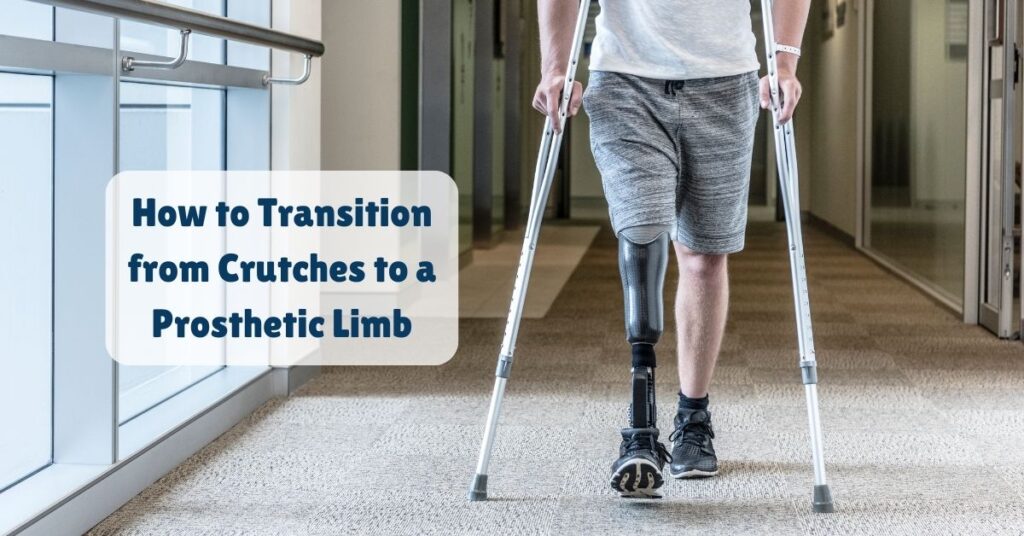
What Is The Difference Between Custom-Made And Prefabricated Orthoses Summary : Choosing an orthosis is not simply about picking a device from a shelf. The right option depends on the body part being supported, the level of correction required, comfort, daily activities, and individual anatomy. This article explains the difference between custom-made and prefabricated orthoses, how they are designed and fitted, where each option may be useful, and how professional assessment can help guide the decision. Orthoses are external devices used to support, align, protect, stabilise, or assist parts of the body. They can be designed for the foot, ankle, knee, spine, hand, wrist, and other areas depending on the user's needs. Some are made specifically for one person, while others are manufactured in standard sizes and supplied ready to use. This is where the difference between custom-made and prefabricated orthoses becomes important. A custom-made orthosis is developed around an individual's anatomy and functional requirements, while a prefabricated orthosis follows a standard design and sizing system. Neither option is automatically suitable for every person. The purpose of the device and the individual's needs should guide the choice. What Are Custom-Made Orthoses? Custom-made orthoses are designed and fabricated for a particular individual. The process generally starts with an assessment of the person's condition, anatomy, movement, functional requirements, and intended use of the device. Depending on the body area and type of orthosis, the practitioner may take measurements, create an impression or cast, or use digital scanning technology. These details are then used to develop an orthosis with the required shape, support, alignment, and control. Customisation can also involve selecting specific materials, joints, straps, padding, or other components. Once the device is produced, it can be checked during fitting and adjusted where necessary to improve comfort and function. Individual Fit And Design One of the main characteristics of a custom-made orthosis is its individual fit. The device is not simply chosen because it matches a standard size. Instead, its dimensions and design are based on the user's anatomy and the clinical purpose of the orthosis. This can be especially useful when a person has unusual anatomy, significant asymmetry, specific pressure-distribution needs, or functional requirements that are difficult to meet with a standard device. Personalised Fabrication Process Custom fabrication usually involves several stages rather than immediate supply. Assessment, design, fabrication, fitting, and follow-up can all form part of the process. This makes it possible to make refinements when required. How to Transition from Crutches to a Prosthetic Limb Transitioning from crutches to a prosthetic limb marks a profound milestone in the journey of recovery after an amputation. It’s not just about walking again; it’s about reclaiming independence, rebuilding confidence, and embracing a new chapter of life. While the process can feel overwhelming at times, it’s also a deeply empowering experience that brings hope and possibilities. For many, the shift from crutches to a prosthetic limb is filled with mixed emotions—excitement about newfound mobility and apprehension about the challenges ahead. It’s important to remember that this journey is unique to each individual, and it unfolds at a pace that feels right for you. With proper guidance from medical professionals, support from loved ones, and a willingness to adapt, this transition can lead to a life filled with greater freedom and opportunities. Whether you’re taking your first steps with a prosthetic or looking for advice to make the transition smoother, you’re not alone in this journey. Every effort you make is a step toward rediscovering your potential and thriving in ways you might not have imagined. Understanding the Transition The move from crutches to a prosthetic limb requires physical, emotional, and mental preparation. Crutches may offer temporary mobility, but a prosthetic limb can restore a sense of normalcy, enabling you to perform daily tasks with ease. It's important to acknowledge that the process takes time and involves learning new skills to adapt to the prosthetic. Consultation with Specialists Transitioning from crutches to a prosthetic limb begins with professional guidance. Prosthetists and physical therapists play a crucial role in this process. Prosthetist's Role: A prosthetist designs and fits the prosthetic limb, ensuring it meets your specific needs and lifestyle. They will assess your residual limb, discuss your mobility goals, and create a prosthetic tailored to your requirements. Physical Therapist's Role: Physical therapists focus on rehabilitation. They design exercise plans to strengthen your muscles, improve balance, and help you adapt to using your prosthetic limb effectively. Regular follow-ups with these specialists are essential to monitor progress and address any concerns that arise during the adjustment period. Strengthening Your Residual Limb Using a prosthetic limb effectively requires a healthy and strong residual limb. Preparing your body is just as important as adapting to the prosthetic. Practice exercises to improve the strength and flexibility of your residual limb, such as resistance training or stretching. Focus on core and leg muscle strengthening to enhance balance, stability, and mobility. Engage in low-impact exercises like swimming or yoga to build endurance without placing excessive stress on your body. By investing time in physical preparation, you’ll find it easier to transition to your prosthetic and reduce the risk of discomfort or injury. Mental Preparation The transition to using a prosthetic limb is not just physical—it’s an emotional and psychological journey. Accepting and adapting to a prosthetic requires patience and resilience. Be patient: Understand that it’s okay to feel frustrated or overwhelmed during the adjustment period. Progress takes time, and small milestones are worth celebrating. Seek support: Join peer groups or communities of amputees who can share their experiences and offer encouragement. Connecting with others who have been through similar transitions can help you feel less alone. Focus on self-care: Practice mindfulness or meditation to reduce stress, and surround yourself with a support network of family and friends who uplift and motivate you. By addressing both the physical and emotional aspects of this journey, you can set a strong foundation for success and confidence with your prosthetic limb. Learning to Use a Prosthetic